

London's average sold price was £552,655 in April 2026, about 91% above the England average of £289,946, which makes it the most expensive housing market in the country by a wide margin. That premium buys depth, liquidity and a rental market that rarely runs short of tenants, but it sets a high entry cost: a 30% buy-to-let deposit on the £552,655 average is about £165,797 before any other purchase cost.
The price has plateaued since 2022. London reached an all-time high of £581,320 in August 2022, then eased 4.9% to £552,655, leaving five-year growth at +5.6%. Over ten years the figure is +12.0% and over thirty years +573%, so the recent slow growth sits on top of a long expansion rather than reversing it.
The income story runs the opposite way to the price. Gross yields fall as you move into the centre and rise as you move out, from about 5.2% in prime Camden to about 6.8% in Newham and Barking, where outer-borough homes sell from around £360,000. London now reads as a high-value, capital-led market that has paused on price, with the rental return concentrated at the edges rather than the centre. The 32 borough guides below break that down borough by borough; the sections that follow set the London-wide picture the boroughs sit inside, including which sub-markets carry the yield and where the student and multi-let demand concentrates.
Article updated: July 2026
Explore London borough guides
Compare local yields and sold prices across the London guides before reading the wider market analysis.
Central London


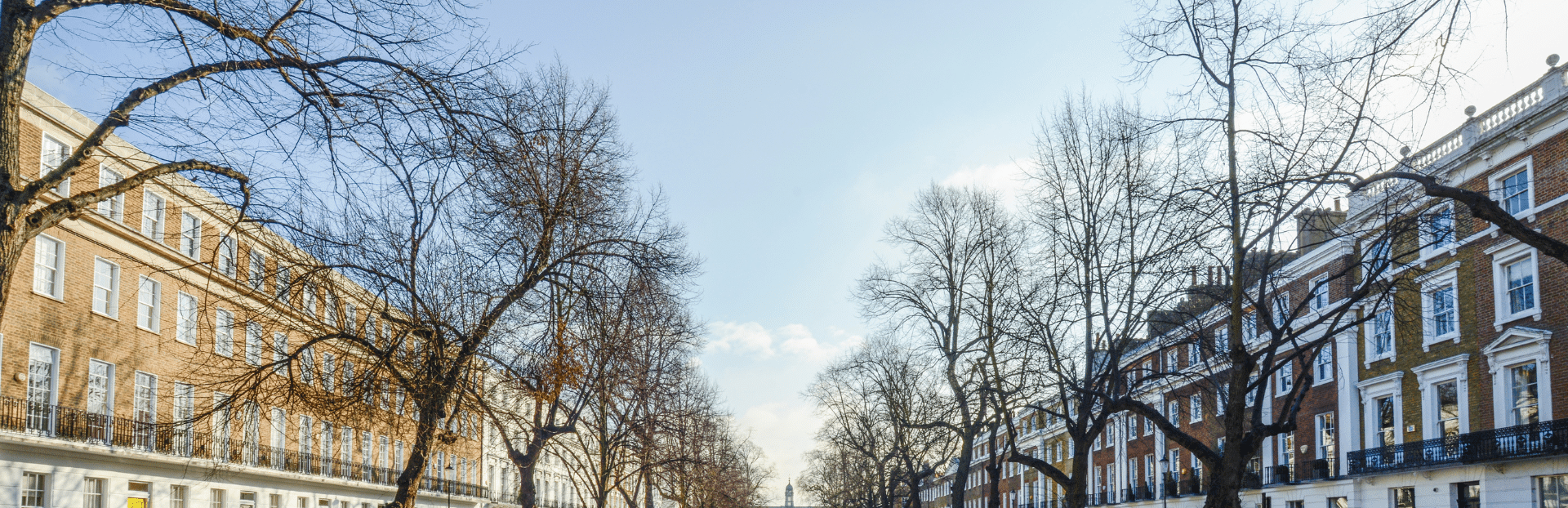
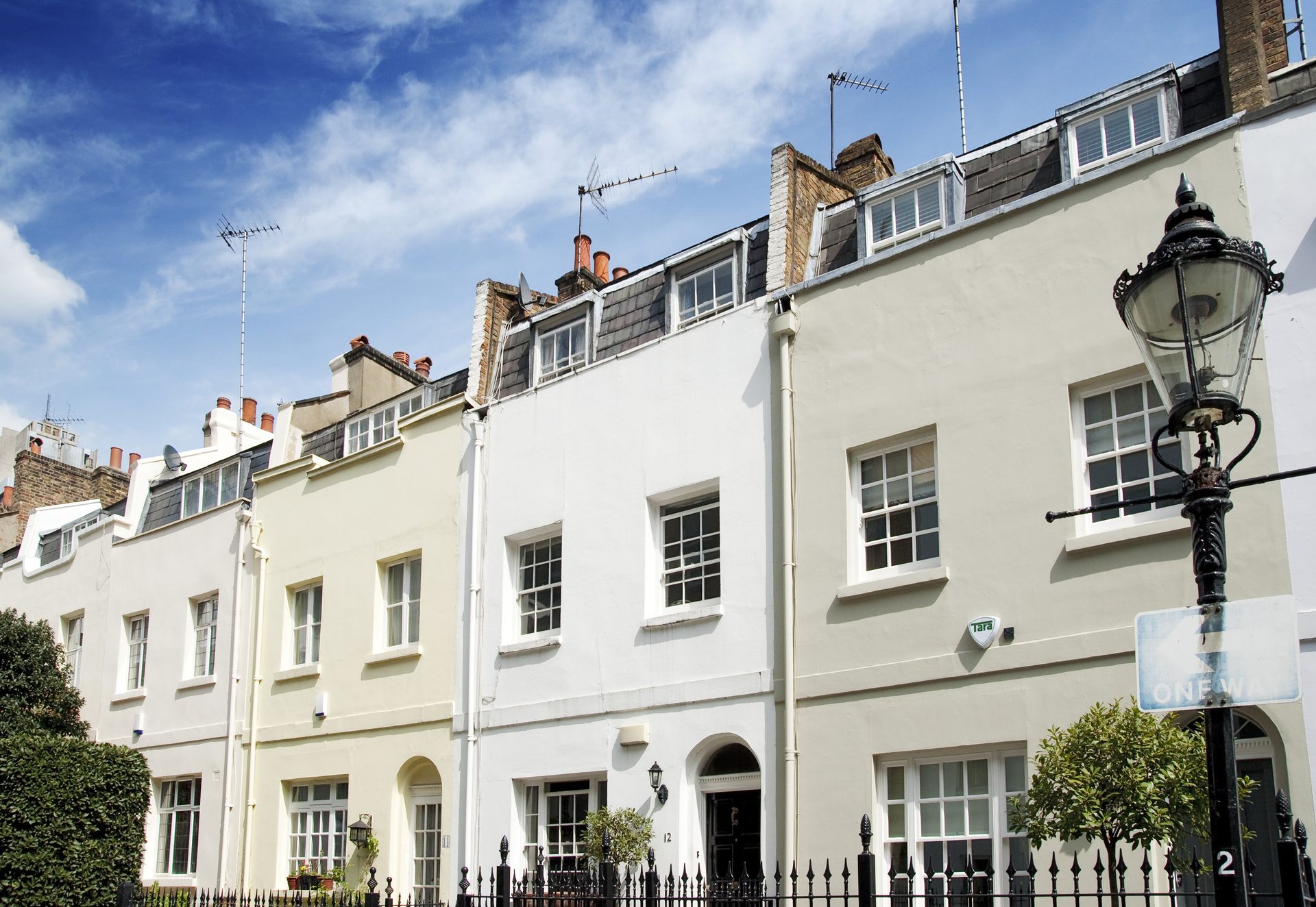
North London
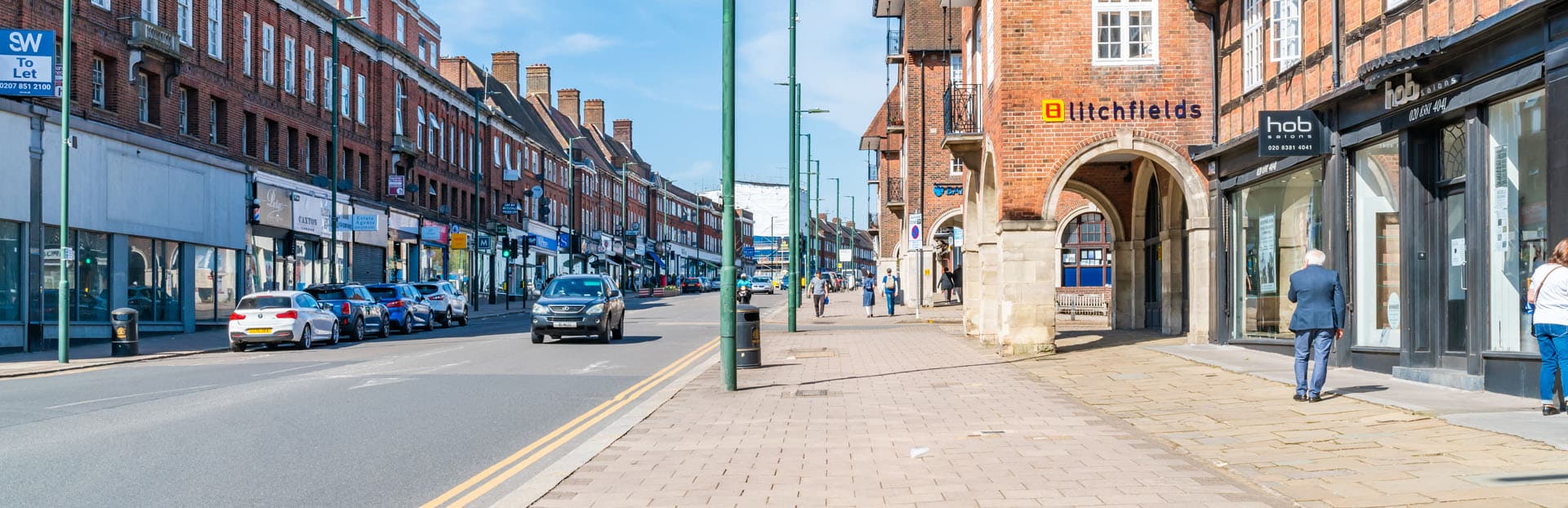

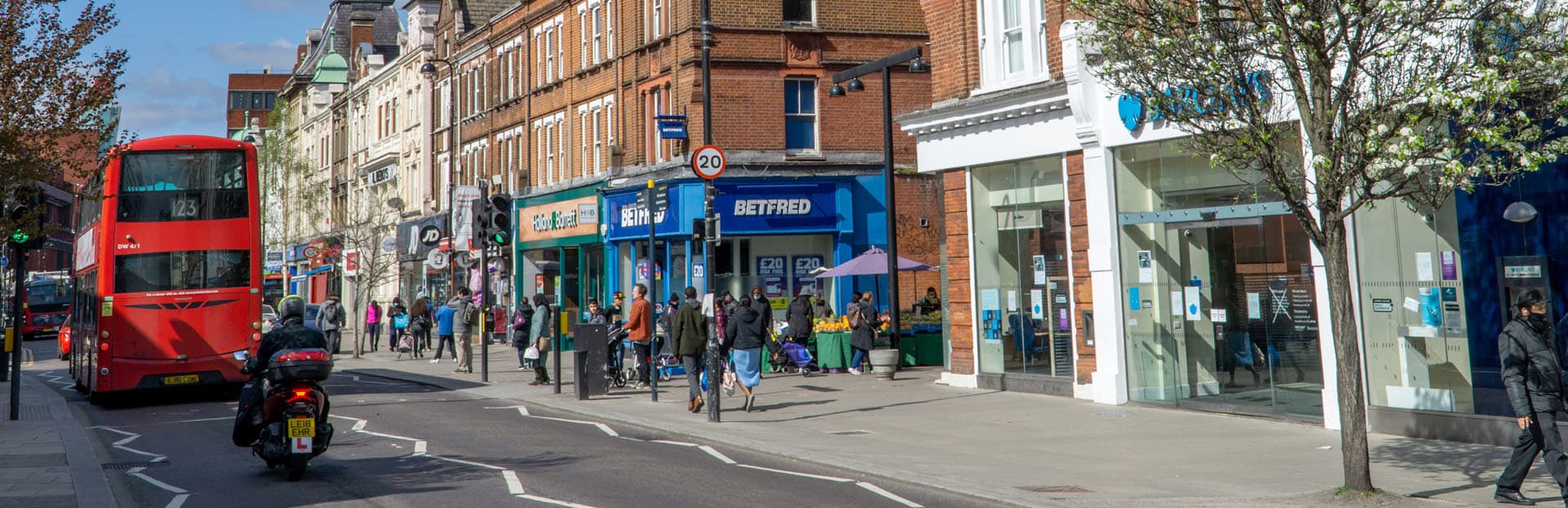
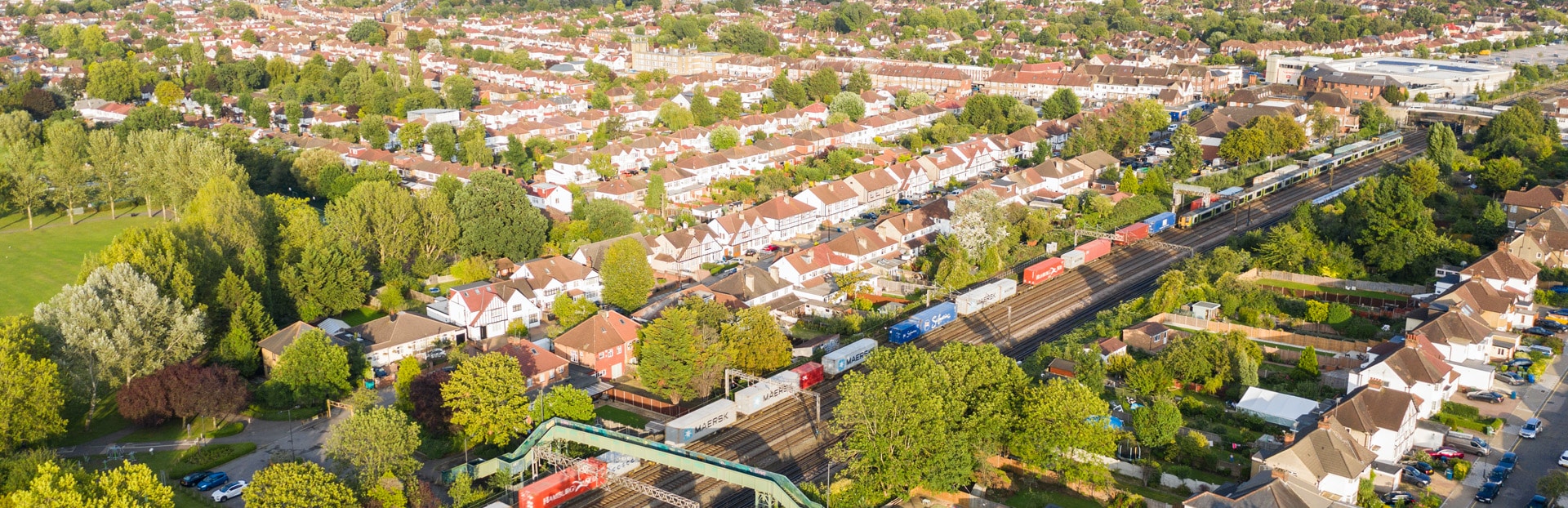
East London
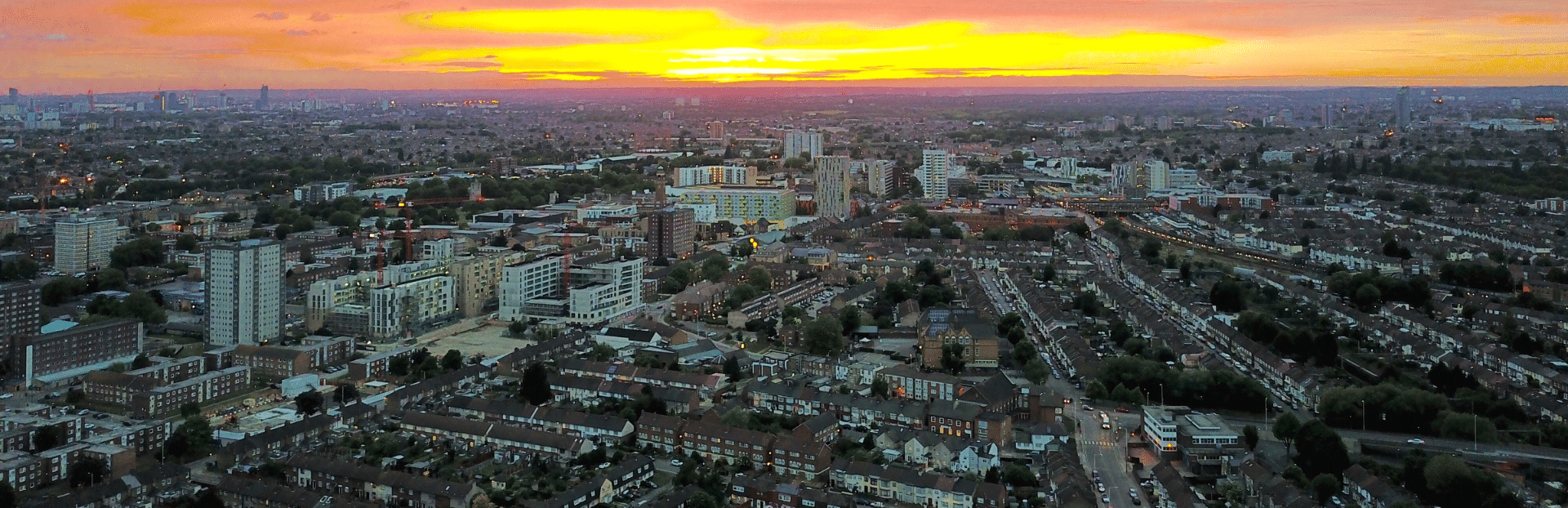
- Avg sold price
- £360,679
- Top gross yield
- 6.8%
- Avg sold price
- £611,039
- Top gross yield
- 5.7%
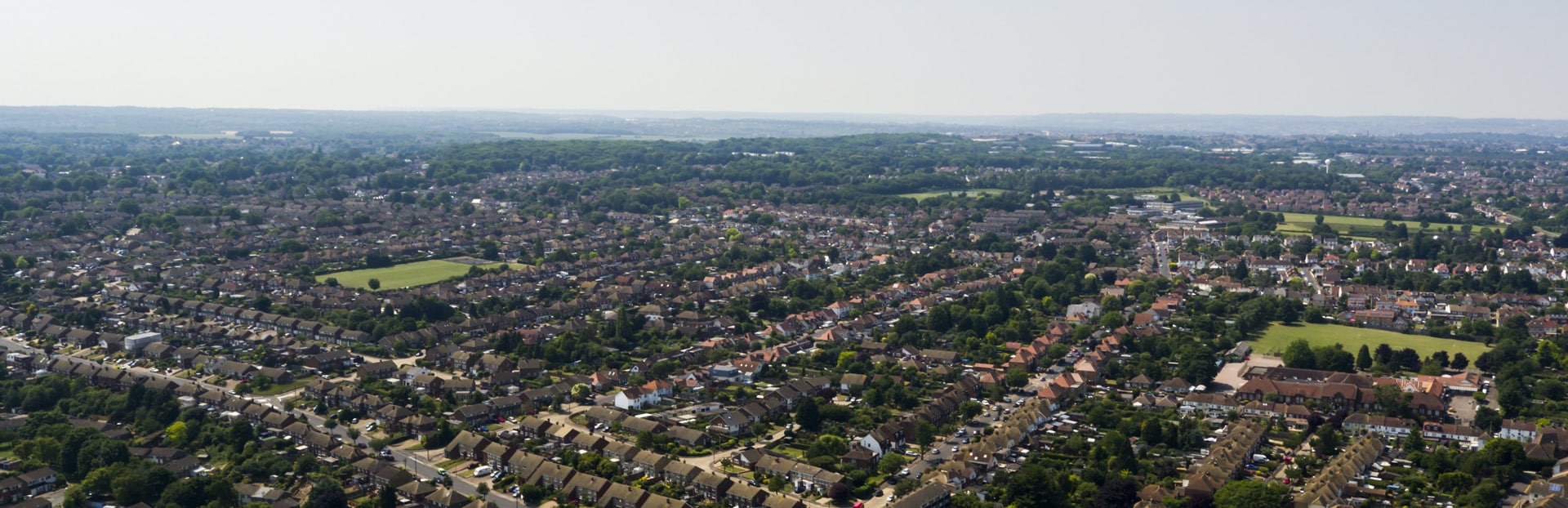
- Avg sold price
- £441,241
- Top gross yield
- 6.1%
- Avg sold price
- £384,258
- Top gross yield
- 6.8%

- Avg sold price
- £500,969
- Top gross yield
- 5.5%
- Avg sold price
- £457,504
- Top gross yield
- 6.5%
- Avg sold price
- £528,353
- Top gross yield
- 6.3%
South London
- Avg sold price
- £410,445
- Top gross yield
- 6.3%

- Avg sold price
- £518,311
- Top gross yield
- 5.4%
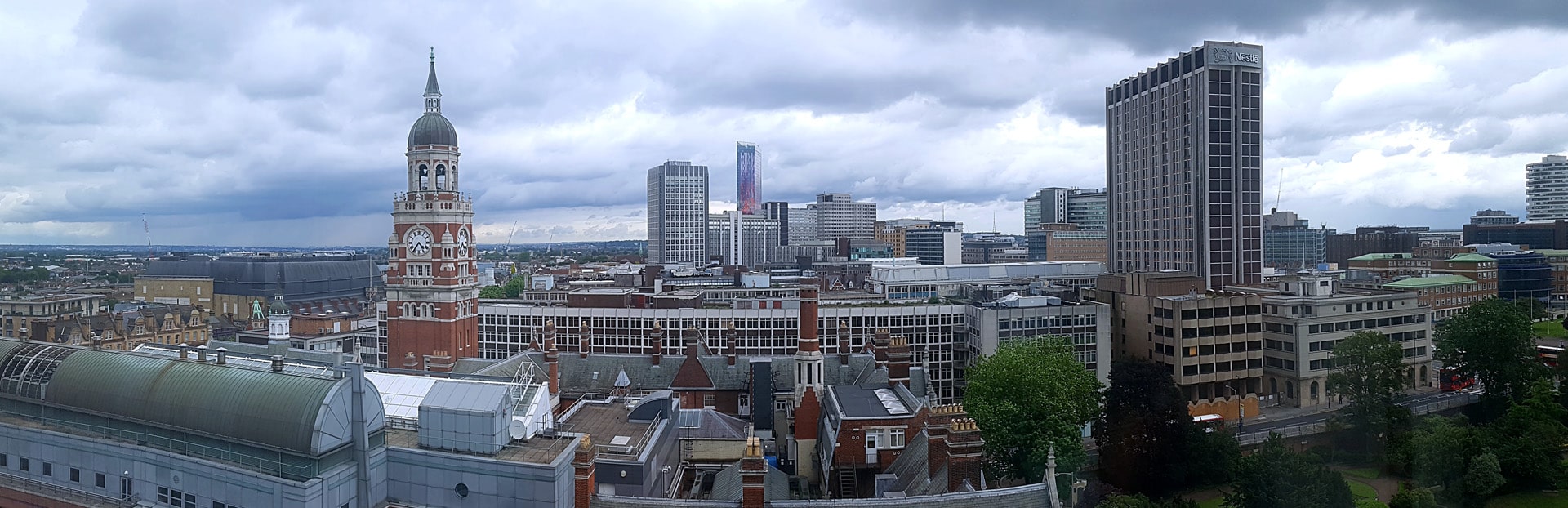
- Avg sold price
- £388,821
- Top gross yield
- 5.4%
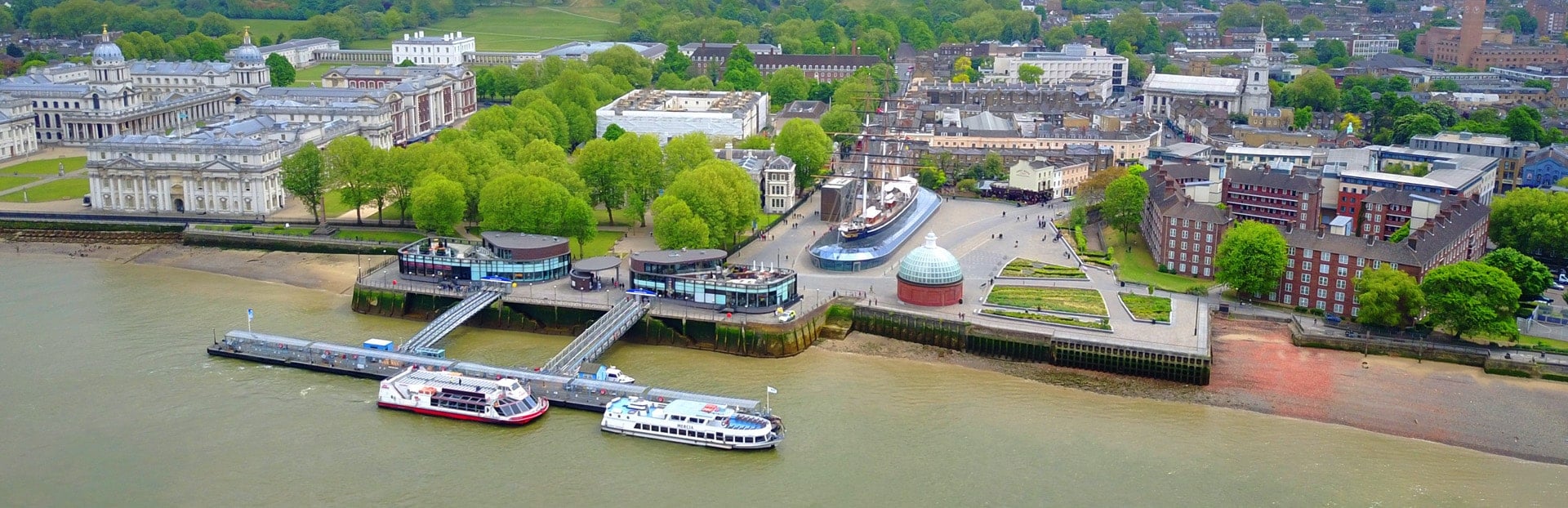
- Avg sold price
- £465,960
- Top gross yield
- 6.3%
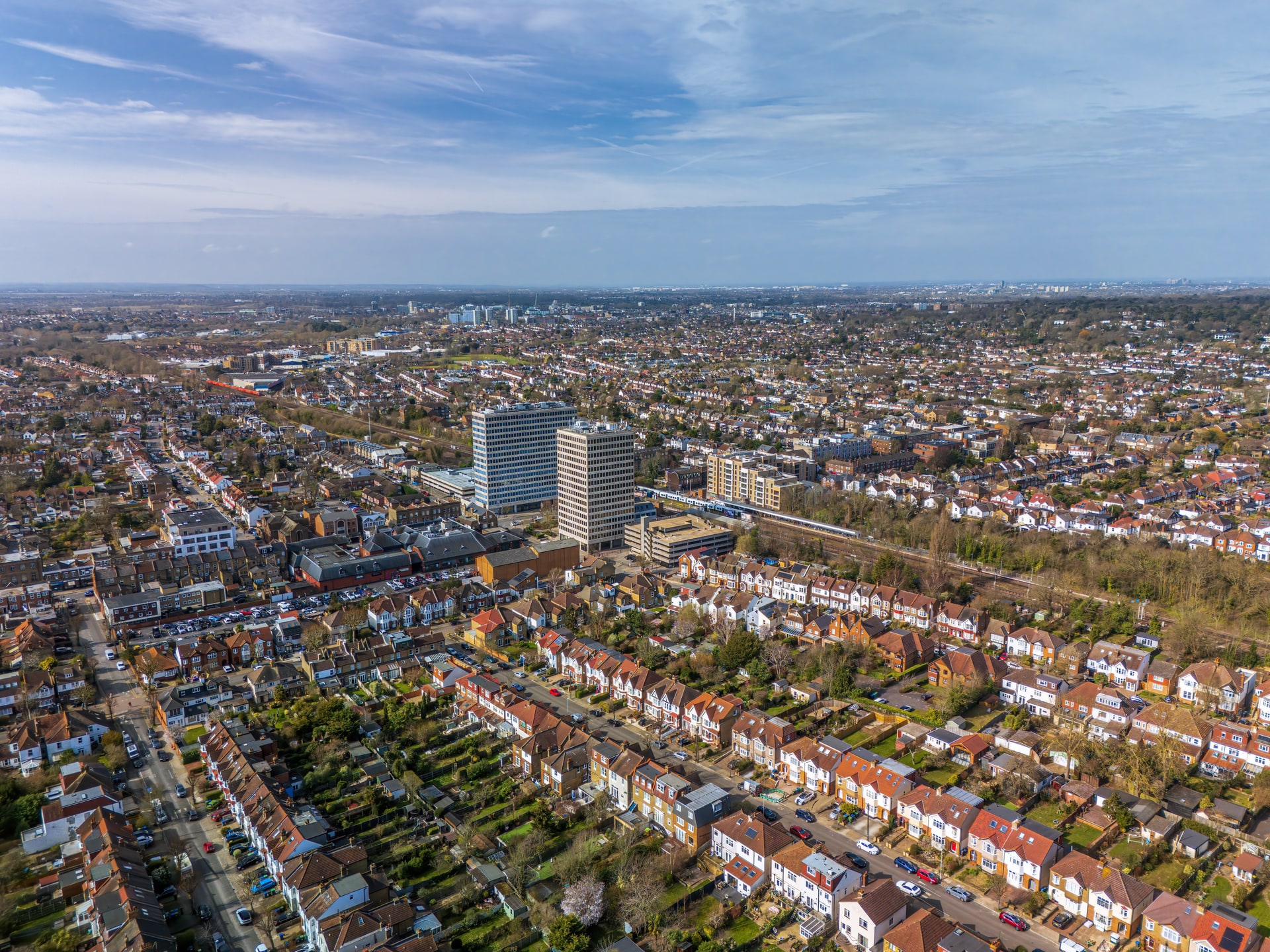
- Avg sold price
- £571,088
- Top gross yield
- 4.2%

- Avg sold price
- £554,128
- Top gross yield
- 5.6%

- Avg sold price
- £489,602
- Top gross yield
- 6.0%
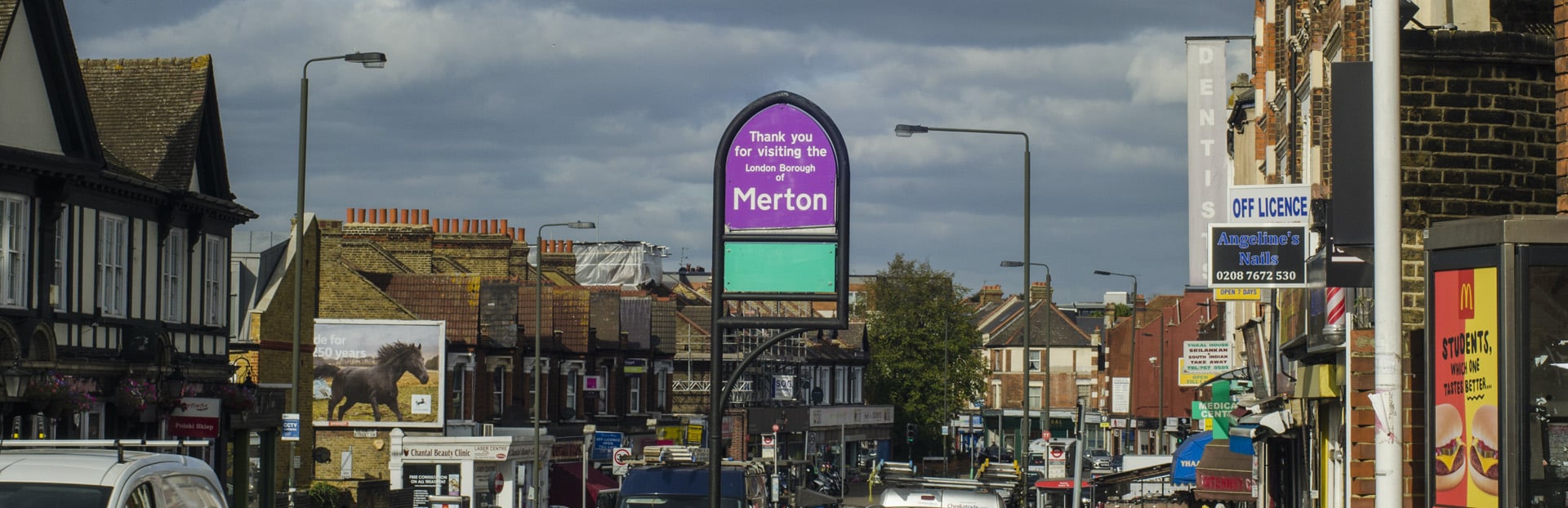
- Avg sold price
- £601,401
- Top gross yield
- 5.2%
- Avg sold price
- £794,027
- Top gross yield
- 4.9%

- Avg sold price
- £572,455
- Top gross yield
- 6.0%
- Avg sold price
- £452,352
- Top gross yield
- 5.1%

- Avg sold price
- £672,069
- Top gross yield
- 5.3%
West London
The London property market
London prices have moved through three distinct phases since 1995. The first was a long expansion: the average home cost £79,687 in January 1995 and reached a pre-crisis peak of £319,663 in January 2008. The financial crisis then cut the market to a trough of £262,661 by April 2009, a fall of 17.8% from peak to bottom. The recovery that followed was the strongest stretch in the series, carrying prices to an all-time high of £581,320 in August 2022.
Since that 2022 high the market has flattened. The average sold price is £552,655, down 4.9% from the peak, and the five-year change is +5.6%. The two charts below show the full monthly series from 1995, first by average price for each property type, then as the year-on-year change that makes the 2008 fall and the post-2022 plateau easy to read.
- All property types
- Detached
- Semi-detached
- Terraced
- Flats
- All property types
- Detached
- Semi-detached
- Terraced
- Flats
The plateau looks different across property types. The latest figures put detached homes at £1,159,487, semi-detached at £715,926, terraced at £637,506 and flats at £431,455. Flats have lagged the rest of the market through the plateau, with the year-on-year reading still negative in early 2026, while houses have held closer to flat. The gap between a detached London home and a London flat is now more than £700,000, which is the clearest single measure of how wide the capital's market runs.
For the national backdrop these London figures sit against, our guide to the highest-yielding areas across the UK sets the capital alongside the regional markets where asking prices are lower and yields are higher.
London's investment areas, by characteristic
London is not one market but a set of sub-markets that an investor reads by price and yield rather than by postcode prestige. Yield runs in reverse to price: gross yields fall as you move into the centre and rise as you move out, from about 5.2% in prime-central Camden to about 6.8% in the outer-east. The clean split is between an outer value belt, where homes sell from around £360,000, and a prime-central zone, where the £552,655 sold average understates a market that runs past £1m. If income is the priority, the data points outward; if the priority is a prime-central asset, the yield is lower by design.
The outer-east value belt is where most London buy-to-let budgets start. Newham (E6, E13, E16) and Barking and Dagenham (IG11, RM8) reach about 6.8% gross yield, the highest in the capital, because sold prices near £360,000 carry rents that cover a larger share of the purchase cost; Enfield (EN1, EN3) follows at 6.4%, with Bexley (DA7, DA15), Greenwich (SE10, SE18) and Waltham Forest (E17) at about 6.3%. These are also the boroughs absorbing the heaviest regeneration spend, out through the Thames Gateway, so the entry near £360,000 buys both an income yield above 6% and exposure to new infrastructure.
The prime-central zone is the mirror image: high value, low yield. Camden runs at about 5.2%, Islington and Wandsworth near 5.3% and Westminster near 5.4%, on asking prices that push the average detached London home to £1,159,487. The return in these boroughs comes from the value and liquidity of the asset and the depth of tenant demand rather than from a high rent-to-price ratio, which is why their gross yields sit a full point or more below the outer belt.
The result is a London-specific quirk worth planning around: the cheapest areas and the highest-yielding areas are the same areas. A purchase near £360,000 in the outer-east needs a 30% deposit of about £108,000, against roughly £165,797 on the £552,655 London sold average, and carries the 6.8% top yield. For the full borough-by-borough ranking behind this split, our guide to the areas of London with the highest rental yields sets out every borough's gross yield in order, readable at postcode level.
Buy-to-let deposits in London
Buy-to-let lending in London is normally arranged on a 30% deposit, so the cash needed to enter tracks the borough's asking price. The table below sets the 30% deposit against the mean asking price and top gross yield for all 32 London boroughs, ordered from the lowest entry cost to the highest. Barking, Bexley and Newham sit at the top, where deposits between about £121,000 and £131,000 carry the capital's highest yields near 6.8%; Camden, Westminster and Kensington and Chelsea sit at the foot, with deposits above £300,000.
| Borough | Mean Asking Price | 30% Deposit | Top Gross Yield |
|---|---|---|---|
| Barking | £402,635 | £120,790 | 6.8% |
| Bexley | £428,037 | £128,411 | 6.3% |
| Newham | £437,735 | £131,320 | 6.8% |
| Sutton | £464,404 | £139,321 | 5.1% |
| Greenwich | £464,537 | £139,361 | 6.3% |
| Croydon | £466,187 | £139,856 | 5.4% |
| Hillingdon | £482,012 | £144,604 | 5.6% |
| Lewisham | £490,640 | £147,192 | 6.0% |
| Hounslow | £512,043 | £153,613 | 5.7% |
| Waltham Forest | £518,892 | £155,668 | 6.3% |
| Havering | £519,544 | £155,863 | 6.1% |
| Tower Hamlets | £520,706 | £156,212 | 6.5% |
| Redbridge | £538,319 | £161,496 | 5.5% |
| Enfield | £539,526 | £161,858 | 6.4% |
| Ealing | £541,582 | £162,475 | 5.7% |
| Bromley | £544,449 | £163,335 | 5.4% |
| Harrow | £549,497 | £164,849 | 5.4% |
| Brent | £554,541 | £166,362 | 5.6% |
| Lambeth | £587,762 | £176,329 | 5.6% |
| Southwark | £588,476 | £176,543 | 6.0% |
| Kingston upon Thames | £590,531 | £177,159 | 4.2% |
| Merton | £596,108 | £178,832 | 5.2% |
| Haringey | £608,827 | £182,648 | 6.1% |
| Hackney | £653,333 | £196,000 | 5.7% |
| Wandsworth | £663,635 | £199,090 | 5.3% |
| Barnet | £693,741 | £208,122 | 5.6% |
| Islington | £699,752 | £209,926 | 5.3% |
| Richmond upon Thames | £880,115 | £264,034 | 4.9% |
| Hammersmith and Fulham | £977,540 | £293,262 | 4.9% |
| Camden | £1,020,119 | £306,036 | 5.2% |
| City of Westminster | £1,260,026 | £378,008 | 5.4% |
| Kensington and Chelsea | £1,438,749 | £431,625 | 4.3% |
Deposit also varies sharply by the type of property, not just the borough. The table below takes the latest average London price for each property type and the 30% deposit that goes with it, with the mortgage covering the remaining 70%.
| Property type | Average London price | 30% deposit |
|---|---|---|
| Detached | £1,159,487 | £347,846 |
| Semi-detached | £715,926 | £214,778 |
| Terraced | £637,506 | £191,252 |
| Flat | £431,455 | £129,437 |
On the £552,655 London average the deposit is about £165,797. The gap from an average flat to an average detached home, £129,437 against £347,846, is more than £218,000, so the property type shapes the cash you need almost as much as the borough does.
London's student and HMO market
London holds more higher-education students than any other UK region, and that tenant base sits behind a large share of the multi-let demand across the capital's £552,655-average market. University College London is the single largest higher-education provider in the country, and Imperial College London, King's College London and Queen Mary University of London add to a student population that the 2021 Census put at 33.9% of all international students in England and Wales, about 127,000 people, before home students are counted. That demand concentrates in the inner and east-London postcodes closest to the campuses, such as E1 and E14 around Queen Mary, rather than in the 6.8%-yield outer belt.
Student and young-professional demand is what most often pushes investors toward a house in multiple occupation, because letting a property by the room targets a higher gross yield than the 5.2% to 6.8% single-tenancy range shown above. The pattern in London is the same as the wider market: the higher-yielding multi-let stock sits in the cheaper terraced postcodes of the east and inner-east, around Newham (E6, E13) on its 6.8% yield and the inner boroughs near the universities, rather than in the £1m-plus prime-central streets where the maths does not work. Our guide to investing in HMOs sets out how the room-by-room model changes the yield calculation.
The constraint on that model is regulation, and London is the most tightly regulated HMO market in the country. A growing number of the 32 London boroughs operate an Article 4 Direction that removes the automatic right to convert a family home into a small HMO, so a conversion needs full planning permission, and selective or additional licensing schemes are widespread across the capital's boroughs. You can look up the scheme for any borough by postcode on the government's property licensing pages. Neither is a barrier to investing in the 6.8%-yield outer boroughs or the inner student postcodes, but a multi-let plan works best with a property already in lawful HMO use or in a borough whose scheme the property can meet. For purpose-built blocks rather than converted houses, our guide to student property investment covers the institutional end of the same demand.
How to invest in London
The first number to plan around is the deposit. Buy-to-let lending in London is normally arranged on a 30% deposit, so on the average London home of £552,655 the deposit is about £165,797, with the mortgage covering the remaining 70%. On a lower-priced outer-borough purchase nearer £360,000 the 30% deposit is about £108,000, which is why the outer boroughs are where most London buy-to-let budgets start.
On top of the deposit comes stamp duty, which is the largest single transaction cost on a London purchase and rises sharply with price because of the higher rates on additional property. Our stamp duty calculator works out the figure for a specific purchase price, and at London price levels it is large enough to factor into the deposit-plus-costs total before committing to an area.
From there the route into the market follows the same path as any other location, with the choice of strategy shaped by the borough. The lower-priced outer boroughs suit standard buy-to-let on the higher gross yields shown above; the higher-value inner boroughs are where the capital-led, lower-yield holdings sit. To see current opportunities, browse our listings of investment property in London, our buy-to-let property for sale, and our below market value properties for sale, then use the 32 borough guides above to match a strategy to an area.
Frequently Asked Questions
Is London a good place for buy-to-let?
London is the highest-priced and most liquid housing market in the UK, with an average sold price of £552,655, about 91% above the England average. Its buy-to-let profile is capital-led rather than income-led: five-year price growth is +5.6% after easing from the 2022 peak, while gross yields run from about 5.2% in prime inner boroughs to about 6.8% in the cheapest outer boroughs. The numbers favour income in the outer boroughs and asset value and tenant depth in the inner ones.
Which London boroughs have the highest rental yields?
The highest gross yields are in the outer boroughs, where asking prices are lowest. Newham and Barking lead at about 6.8%, followed by Enfield at 6.4% and Greenwich, Bexley and Waltham Forest near 6.3%. The prime inner boroughs sit lower, around 5.2% to 5.4% in Camden, Islington, Wandsworth and Westminster. Our guide to the areas of London with the highest rental yields ranks every borough in full.
What is the London property market doing right now?
London has plateaued. The average sold price is £552,655, down 4.9% from the all-time high of £581,320 in August 2022, and the five-year change is +5.6%. Houses have held closer to flat while flats have lagged, with the year-on-year reading for flats still negative in early 2026. Over the longer run the market is up 12.0% over ten years and 573% over thirty years, so the recent flatness sits on top of a long expansion.
How much deposit do I need for a London buy-to-let?
Buy-to-let purchases are normally arranged on a 30% deposit. On the average London home of £552,655 that is about £165,797, with the mortgage covering the remaining 70%. On a lower-priced outer-borough purchase nearer £360,000 the 30% deposit falls to about £108,000. Stamp duty is then added on top and rises with price, so our stamp duty calculator gives the full transaction cost for a specific purchase.
What is the cheapest way into the London market?
Sold prices are lowest in the outer boroughs, where gross yields are highest, reaching about 6.8% in Newham and Barking. A purchase nearer £360,000 needs a 30% deposit of about £108,000 against roughly £165,797 on the London sold average. Those same outer boroughs with the lowest sold prices also carry the highest income yield, which is why most first London buy-to-let purchases start there. Our listings of discounted property below market value and buy-to-let homes for sale show what is currently available.
What is the average property price in London?
London's average sold price was £552,655 in April 2026, about 91% above the England average of £289,946. It reached an all-time high of £581,320 in August 2022 and has eased 4.9% since, leaving five-year growth at +5.6%. Prices climb sharply by property type, with the average detached home at £1,159,487, and by borough, where mean asking prices run from about £402,635 in Barking to £1,438,749 in Kensington and Chelsea.
What rental yield can you get from a London buy-to-let?
Gross yields range from about 5.2% in prime inner boroughs such as Camden to about 6.8% in Newham and Barking. Yields rise as asking prices fall, so the outer boroughs pair the lowest entry cost with the highest income return, while the prime-central boroughs return more through asset value and tenant depth than through rent.
Where is London's student and HMO demand strongest?
Student and young-professional rental demand concentrates in the cheaper terraced postcodes of the east and inner-east, around Newham (E6, E13) and the inner boroughs near the universities, rather than the prime-central streets. A growing number of London boroughs operate an Article 4 direction that removes the automatic right to convert a family home into a small HMO, so a multi-let plan needs a property already in lawful HMO use or a borough whose licensing scheme it can meet.
Ready to buy property?
Access off-market investment properties with an average 8%+ annual gross yield (beating the UK's typical 3-5%).
Get property alerts