
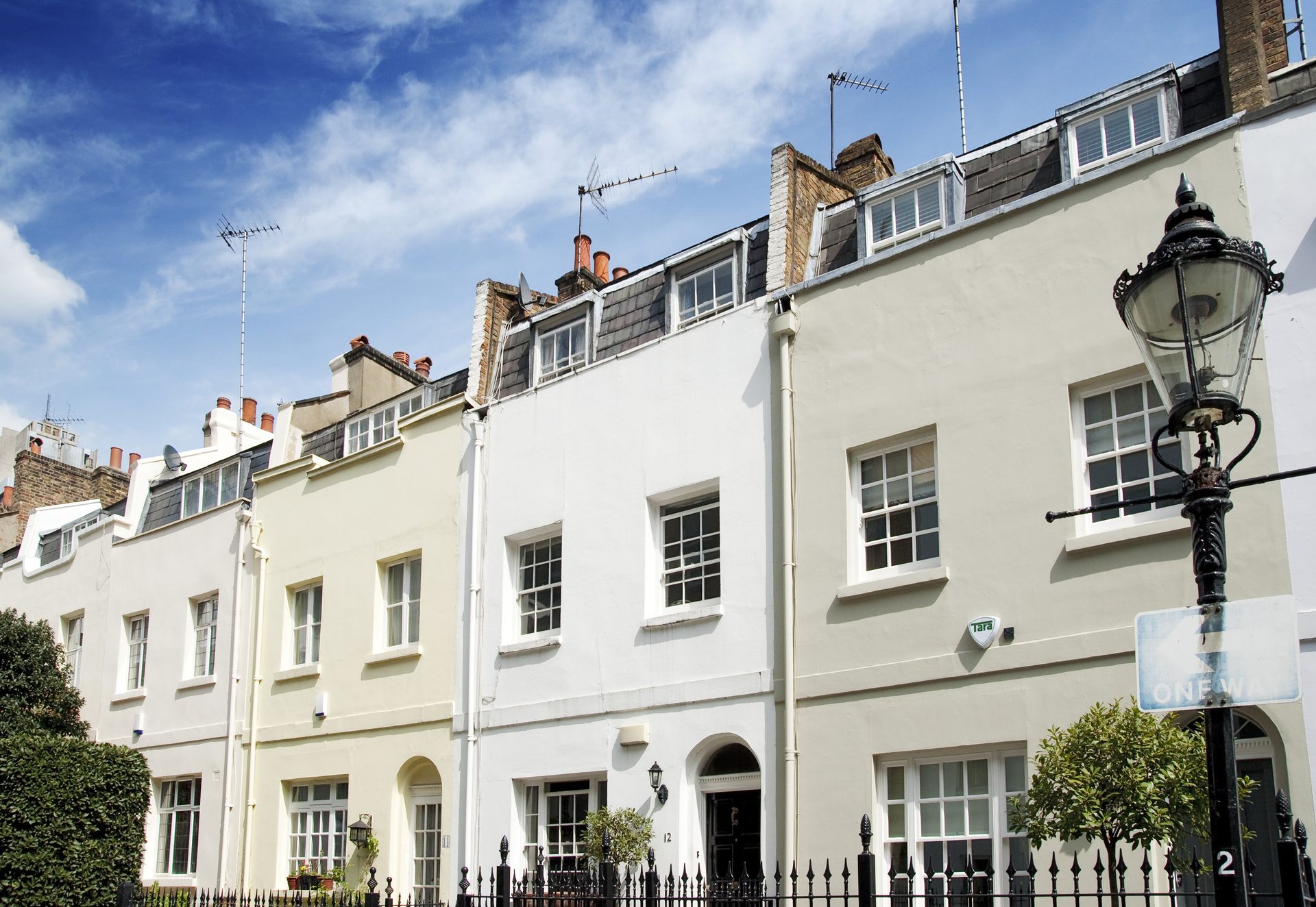
Kensington and Chelsea is a royal borough of west London. Average sold prices across Kensington and Chelsea sit at £1,272,760 on the HM Land Registry House Price Index, 339.0% above the England average of £289,946 and the highest of any local authority in the country. Nothing else in the portfolio comes close, and the gap inside the borough is just as wide: W10 in North Kensington at a £721,553 asking price sits at one end and SW7 in South Kensington at £2,045,478 at the other, two markets that share a council but little else. This is a borough where the data, not the postcode's reputation, decides where an investor's money works hardest.
What sets Kensington and Chelsea apart from the rest of London is the recent direction of travel. Prices reached an all-time high of £1,656,986 in September 2022 and have since drifted back to £1,272,760, around 23.2% below that peak, leaving the borough down 1.9% over five years while most of the capital has ground higher. That correction reframes the case: top gross yields here reach only 4.3% in W10 and fall to 2.8% in Chelsea's SW3, so the question is not whether prices will climb but which postcode returns the most income against an exceptional purchase price.
This guide covers the Royal Borough of Kensington and Chelsea (ONS code E09000020) across postcodes W8, W10, W11, SW3, SW5, SW7, and SW10. The borough runs from North Kensington and Notting Hill in the north down through South Kensington and Earl's Court to Chelsea and the Thames, bordered by the City of Westminster to the east.
Article updated: June 2026
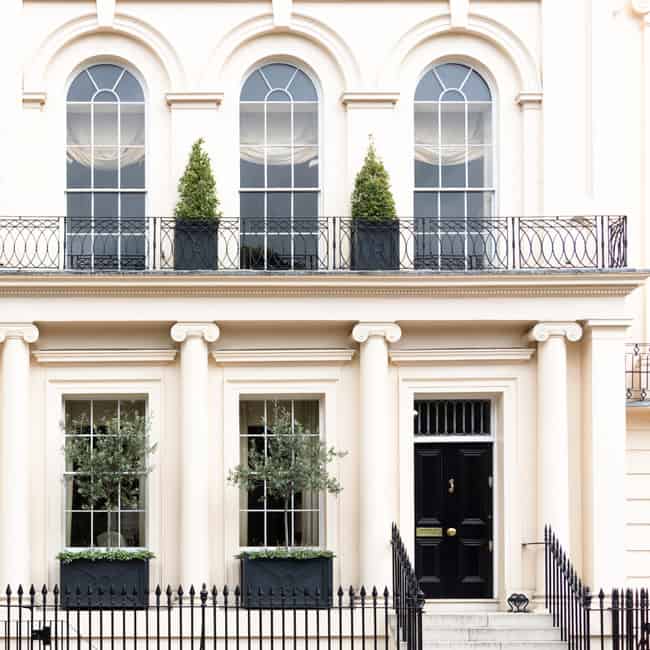
Why Invest in Kensington and Chelsea?
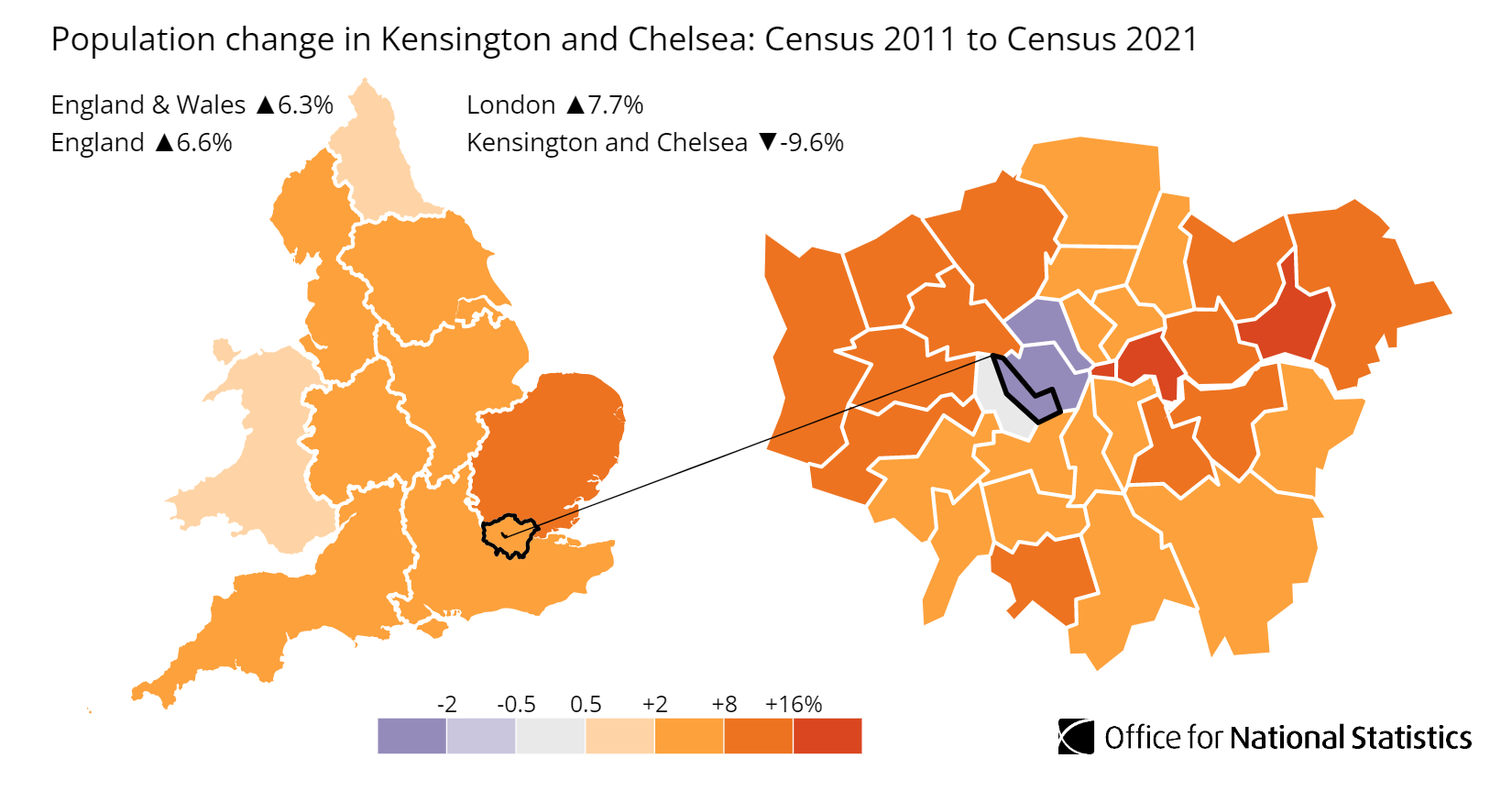
Kensington and Chelsea is the only London borough to have lost population over the last census decade, falling 9.63% from 158,649 to 143,375 residents between 2011 and 2021. That decline runs counter to a capital that grew, and it tells you something about who the borough is for: a market dominated by second homes, pied-a-terre flats and overseas owners, where a shrinking resident base sits behind some of the highest property values in the world. For a landlord, the practical read is that the everyday rental tenant here is the professional sharer and the corporate let, not the family priced into a mortgage.
The local employment rate of 59.4% is the lowest of any London borough by a wide margin, well under the London figure of 74.9%, but the number is misleading on its own. A borough this expensive holds a large population of retired, self-funded and non-working wealthy residents who do not show up in employment statistics, alongside the working professionals who fill its rented flats. The headline rate reflects who lives here, not weak local demand for rented homes.
Median gross weekly earnings for Kensington and Chelsea residents are £1,011.10, which works out at £52,576 a year. That is the highest resident earnings figure of any borough in this guide, above the London median of £892.60 a week and well clear of the Great Britain figure of £752.40. Even so, those wages are dwarfed by purchase prices: it takes nearly 37 times a local salary to buy in W8, which is why borough buyers rarely rely on earned income at all. The cultural and institutional draw of the museums quarter around South Kensington, Imperial College and the Chelsea and Westminster Hospital keeps a steady professional and academic rental layer underneath the prime market.
Kensington and Chelsea Economic Summary
- Population: 143,375 (2021 Census). Decline of 9.63% from 2011.
- Median annual salary: £52,576 (local), £46,415 (London), £39,125 (Great Britain)
- Employment rate: 59.4% (local), 74.9% (London), 75.6% (Great Britain)
- Key employment sectors: Professional and financial services, retail and luxury goods, culture and the arts, health, education and research, hospitality
Source: ONS Census 2021, Nomis Labour Market Profile (ASHE 2025, residence-based earnings)
Regeneration and Investment in Kensington and Chelsea
The Earl's Court scheme on the borough's south-western edge is one of the largest regeneration programmes in inner London, a £10 billion masterplan for around 4,000 new homes that received its resolution to grant planning permission across two boroughs in late 2025. The borough's biggest opportunities cluster at its northern and western edges rather than its prime core, which is where new supply lands closest to the lower-priced, higher-yielding postcodes an income investor reads first.
- Earl's Court (Planning resolved, around 4,000 homes): The Earls Court Development Company is redeveloping the 44-acre former exhibition centre site into a mixed-use district of roughly 4,000 new homes with a 35% affordable target, around 7.5 million square feet of development and 20 acres of public space, in a £10 billion programme spanning the Royal Borough and neighbouring Hammersmith and Fulham. Both boroughs resolved to grant planning permission in late 2025 following the 2024 hybrid application. The site sits directly behind Earl's Court's SW5 and SW10. Details at Earls Court Development.
- Kensal Canalside Opportunity Area (Adopted, 3,500 homes by 2041): The Mayor of London has designated the Kensal Canalside corridor in North Kensington an opportunity area planned for 3,500 new homes and 2,000 jobs by 2041, with its supplementary planning document adopted in 2021. The site sits in W10, the borough's most affordable postcode, and forms part of the Elizabeth Line West growth corridor. Details at London City Hall.
- Chelsea Waterfront, Lots Road (Phased delivery): CK Asset Holdings is delivering Chelsea Waterfront on the Lots Road site in SW10, a riverside scheme of residential towers and restored power-station buildings described as the first development of its kind on the north bank of the Thames in Chelsea for a century. Tower East has completed and the Powerhouse and Tower West phases have launched. Details at Chelsea Waterfront.
Kensington and Chelsea Property Market Analysis
Average property prices in Kensington and Chelsea have risen 543.9% since January 1995, from £197,675 to £1,272,760. The sections below trace that path through the borough's actual cycles, then break down current postcode-level data for sold prices, price per square foot, asking prices, growth trends, and monthly transaction volumes.
When was the last house price crash in Kensington and Chelsea?
Kensington and Chelsea's sold prices are recorded by HM Land Registry at borough level under ONS code E09000020, and the House Price Index runs from January 1995 to the latest reading in April 2026, covering 31 years of market cycles. The borough's path follows the wider London pattern through the 2008 crash but parts from it sharply afterwards, with a prime-market peak in 2022 and a longer give-back since.
The 1995 to 2008 climb: Kensington and Chelsea started at £197,675 in January 1995. Prime London demand carried it past £424,915 by December 2000 and £601,424 by December 2005. The pre-crash market topped out at £901,035 in February 2008, more than four times its 1995 level.
2008 to 2009, the financial crisis: Prices fell from the February 2008 peak of £901,035 to a trough of £647,498 in March 2009, a drop of 28.1% over 13 months, with the worst year-on-year reading at -26.0% in March 2009. The borough's prime flat market, heavily exposed to City bonuses and overseas buyers, fell harder than the London and England averages of around 18%.
Recovery, 2009 to 2010: The bounce came faster here than almost anywhere. Prices climbed back through 2009 and passed the February 2008 pre-crash peak by May 2010, when the average reached £925,945. That recovery took just over two years, because prime central London demand returned first and hardest as a safe-haven asset.
2010 to 2014, the prime surge: This was the borough's strongest stretch. Prices ran from £957,213 in December 2010 to £1,130,506 by December 2012 and reached £1,454,704 by September 2014, lifted by overseas capital flowing into prime London after the crisis. The borough roughly doubled off its 2009 trough in five years.
2015 to 2019, the prime correction: Growth reversed. Higher stamp duty on expensive and additional homes from 2014 onward, then the Brexit vote, cooled the prime end first. The average slipped from £1,468,517 in December 2016 to £1,324,396 by December 2019, an early correction the rest of London did not share.
2020 to 2022, the all-time high: The market recovered through the pandemic and ran to an all-time high of £1,656,986 in September 2022. That September 2022 peak remains the highest reading in the borough's 31-year record.
2022 to present, the give-back: Since that high the market has eased steadily rather than crashed. Prices fell to £1,388,740 by December 2023 as mortgage rates rose, on to £1,332,149 by December 2024, and have settled at £1,272,760 by April 2026. That leaves Kensington and Chelsea about 23.2% below its September 2022 peak and down 1.9% over five years, a deeper and longer give-back than anywhere else in inner London.
Long-term growth summary:
- 5 years (April 2021 to April 2026): -1.9% (£1,297,495 to £1,272,760)
- 10 years (April 2016 to April 2026): -9.7% (£1,410,191 to £1,272,760)
- 15 years (April 2011 to April 2026): 22.6% growth (£1,038,196 to £1,272,760)
- 20 years (April 2006 to April 2026): 102.4% growth (£628,817 to £1,272,760)
- 30 years (January 1995 to April 2026): 543.9% growth (£197,675 to £1,272,760)
The shape of those numbers is the key to the borough today. The 30-year and 20-year returns are strong, but the five-year and ten-year readings are both negative, which sets Kensington and Chelsea apart from every other London market in this guide. A buyer who came in at the September 2022 high is sitting about 23.2% down on the Land Registry average, while one who bought before 2011 holds a large gain. The income return and the wide postcode split, not a rising market, carry the case here.
- All property types
- Detached
- Semi-detached
- Terraced
- Flats
- All property types
- Detached
- Semi-detached
- Terraced
- Flats
Sold House Prices in Kensington and Chelsea
The average sold price across all property types in Kensington and Chelsea is £1,272,760, which is 339.0% above the England average of £289,946 as of April 2026. The premium widens with the size of the home, from 371.3% on flats up to 848.0% on detached houses, and it runs through every part of the borough. Because flats make up the bulk of what trades here, the all-property average sits far closer to the flat figure than to any house type.
| Property Type | Kensington and Chelsea Average | England Average | Difference |
|---|---|---|---|
| Detached houses | £4,460,090 | £470,492 | +848.0% |
| Semi-detached houses | £3,077,927 | £288,185 | +968.0% |
| Terraced houses | £2,420,103 | £243,788 | +892.7% |
| Flats and maisonettes | £1,011,315 | £214,563 | +371.3% |
| All property types | £1,272,760 | £289,946 | +339.0% |
Detached houses at £4,460,090 stand 848.0% above the England average, but they are vanishingly rare in the borough and concentrate in the garden squares and grand houses of Kensington and Holland Park. The figure reflects a handful of trophy sales rather than anything an income investor would buy, and detached values fell 7.3% over the year.
Semi-detached houses at £3,077,927 carry the widest premium of all four types at 968.0% above England. These are the large stucco-fronted houses of South Kensington, Chelsea and Notting Hill, owner-occupier and family homes that change hands rarely, and they fell 5.7% over the year.
Terraced houses at £2,420,103 sit 892.7% above the England average. The borough's terraces run through Chelsea's side streets, Earl's Court and the painted rows of Notting Hill, the period-house end of the market, and they fell 6.4% over the year in line with the wider correction.
Flats and maisonettes at £1,011,315 are 371.3% above England, the narrowest premium of the four and the part of the market that defines Kensington and Chelsea as an investment. Flats dominate the stock across every postcode, so the all-property average of £1,272,760 sits closer to the flat figure than to any house price. Flat values fell 9.0% over the year, the steepest of the four types, which is why the headline all-types reading was negative.
Price Per Square Foot in Kensington and Chelsea
£609 per square foot separates Kensington and Chelsea's cheapest postcode from its dearest, with W10 at £918 and SW3 at £1,527. Measuring by the square foot strips out how large the homes are and shows what the location itself commands, which in this borough rises steadily from the northern edge down towards Chelsea and the river. SW3 in Chelsea tops the table, the most expensive space anywhere in the portfolio.
| Rank | Area | Price Per Sq Ft |
|---|---|---|
| 1 | W10 (North Kensington, Ladbroke Grove) | £918 |
| 2 | SW5 (Earl's Court) | £1,086 |
| 3 | SW10 (West Brompton, Chelsea) | £1,138 |
| 4 | W11 (Notting Hill, Holland Park) | £1,425 |
| 5 | SW7 (South Kensington, Knightsbridge) | £1,459 |
| 6 | W8 (Kensington) | £1,509 |
| 7 | SW3 (Chelsea, Brompton) | £1,527 |
W10 at £918 per square foot is the most affordable space in the borough, covering North Kensington and Ladbroke Grove at its northern edge. Based on 218 transactions analysed, its rate sits about 40% below SW3's, the trade-off being a postcode that carries a larger social-rented and lower-priced stock than the prime core to the south.
SW3 at £1,527 per square foot tops the table from 313 transactions, with Kensington's W8 close behind at £1,509. SW3 covers Chelsea and Brompton, where small period flats off the King's Road and around Sloane Square command the highest rate per square foot in the country, the clearest measure of how far prime Chelsea pricing sits above even the rest of the borough.
For Sale Asking Prices in Kensington and Chelsea
W10 at £721,553 and SW7 at £2,045,478 sit 64.7% apart, the full width of Kensington and Chelsea's asking-price range. The hierarchy climbs from North Kensington in the north through Earl's Court and Notting Hill to the prime South Kensington and Chelsea postcodes by the river, with W10 the only postcode whose asking price sits under £1 million. The mean asking price across all seven postcodes is £1,438,749.
| Rank | Area | Asking Price |
|---|---|---|
| 1 | W10 (North Kensington, Ladbroke Grove) | £721,553 |
| 2 | SW5 (Earl's Court) | £1,044,226 |
| 3 | SW10 (West Brompton, Chelsea) | £1,261,228 |
| 4 | W11 (Notting Hill, Holland Park) | £1,269,474 |
| 5 | SW3 (Chelsea, Brompton) | £1,807,613 |
| 6 | W8 (Kensington) | £1,921,672 |
| 7 | SW7 (South Kensington, Knightsbridge) | £2,045,478 |
W10 at £721,553 is the cheapest way into the borough, covering North Kensington and Ladbroke Grove where the Kensal Canalside scheme is set to add thousands of new homes. It is the only postcode under £1 million and sits well below the borough's Land Registry sold average of £1,272,760, the practical starting point for an investor working to a budget.
SW7 at £2,045,478 is the most expensive, the South Kensington and Knightsbridge market of large period flats around the museums quarter and Hyde Park. The £1,323,925 step from W10 to SW7 buys a prime address rather than more space, and the yield tables below show what that premium does to the income return.
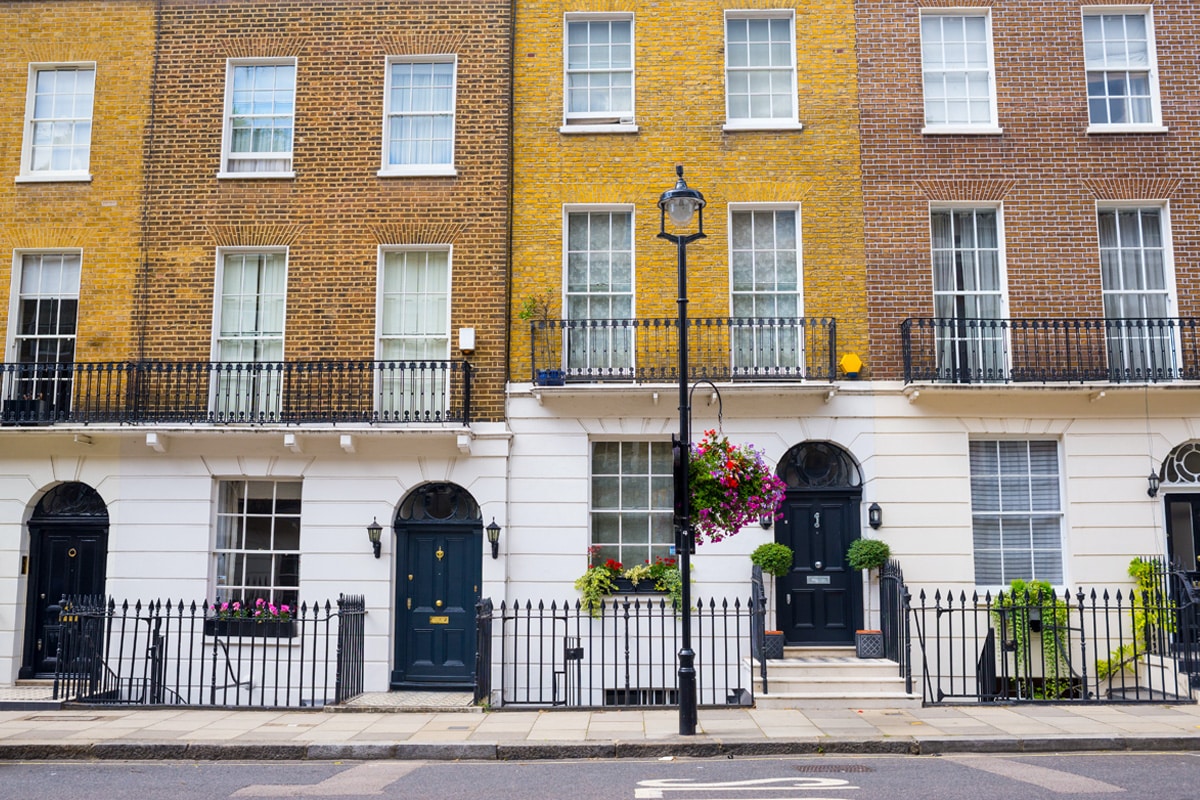
House Price Growth in Kensington and Chelsea
W10 in North Kensington has held up best across the borough's correction, down just 1.9% over five years, while W8 in Kensington sits at the other extreme, down 26.8% over the same period. The growth table reads as a near-uniform decline, the clearest expression of a prime market that has unwound rather than crashed: every postcode is lower over five years, and the gentlest falls sit in the cheaper northern postcodes.
| Area | 1 Year | 3 Years | 5 Years |
|---|---|---|---|
| W10 (North Kensington, Ladbroke Grove) | -4.0% | -16.3% | -1.9% |
| SW10 (West Brompton, Chelsea) | -15.7% | -27.3% | -5.1% |
| SW7 (South Kensington, Knightsbridge) | -7.7% | -19.9% | -8.0% |
| SW5 (Earl's Court) | 2.3% | -13.1% | -8.4% |
| W11 (Notting Hill, Holland Park) | -9.1% | -20.4% | -13.5% |
| SW3 (Chelsea, Brompton) | -15.0% | -25.6% | -21.0% |
| W8 (Kensington) | -21.1% | -29.5% | -26.8% |
W10 (North Kensington) shows the shallowest five-year fall at 1.9%, with a 4.0% decline over the past year. The borough's cheapest and most mixed postcode has tracked the wider London market more closely than the prime core, which is part of why it also carries the highest yield. SW5 (Earl's Court) is the only postcode positive over the past year at 2.3%, an early sign of the Earl's Court regeneration starting to register, though it remains 8.4% lower over five years.
W8 (Kensington) sits at the bottom, down 26.8% over five years and 21.1% over the past year, with SW3 (Chelsea) close behind at -21.0% over five. The two most expensive house-and-flat markets in the borough have corrected hardest, exactly where overseas and discretionary buyers thinned most after 2022. The pattern is consistent across the table: the dearer the postcode, the deeper the fall, so the prime addresses have lost the most value through the correction.
Monthly Property Sales in Kensington and Chelsea
Kensington and Chelsea records around 71 sales a month across its seven postcodes, with SW10 (West Brompton, Chelsea) the busiest at 13 and SW5 (Earl's Court) the quietest at 5. Transaction volumes are thin for a borough of this size, with turnover at just 2% to 3% a year, which shapes how easily an investor can buy now or sell later.
| Area | Sales Per Month | Turnover | Asking Price |
|---|---|---|---|
| SW10 (West Brompton, Chelsea) | 13 | 3% | £1,261,228 |
| SW3 (Chelsea, Brompton) | 12 | 2% | £1,807,613 |
| SW7 (South Kensington, Knightsbridge) | 11 | 2% | £2,045,478 |
| W11 (Notting Hill, Holland Park) | 11 | 2% | £1,269,474 |
| W8 (Kensington) | 11 | 2% | £1,921,672 |
| W10 (North Kensington, Ladbroke Grove) | 8 | 3% | £721,553 |
| SW5 (Earl's Court) | 5 | 2% | £1,044,226 |
SW10 is the busiest market at 13 sales a month on 3% turnover, covering West Brompton and the Chelsea waterfront where the Lots Road scheme is adding new flats. For a buyer, more transactions mean more choice and more comparable evidence on price; for a future seller, they point to an easier exit, though even the borough's most active postcode is quiet by London standards. W10 turns over at the same 3% rate from a smaller, cheaper stock.
SW5 in Earl's Court is the quietest at 5 sales a month, a tightly held market where stock rarely comes up. Across the borough turnover of 2% to 3% means only a small fraction of homes change hands each year, so finding the right property takes patience, and the selling-times section below sets out how those low volumes translate into how long a sale actually takes.
How Long Properties Take to Sell in Kensington and Chelsea
Every Kensington and Chelsea postcode reads as a buyer's market, with selling times running from about 1,014 days in W10 and W11 to roughly 1,521 days, around 50 months of unsold stock, across the five prime postcodes. Days on market is the typical time a home is listed before it sells, and months of unsold stock measures how much for-sale supply is queued at the current pace. A headline yield says nothing about how long your money is tied up at the end, and in this borough that exit cost runs to several years. The table is ranked fastest first.
| Area | Avg Days to Sell | Months of Unsold Stock | Market |
|---|---|---|---|
| W10 (North Kensington, Ladbroke Grove) | 1,014 | 33.3 | Buyer's market |
| W11 (Notting Hill, Holland Park) | 1,014 | 33.3 | Buyer's market |
| SW3 (Chelsea, Brompton) | 1,521 | 50.0 | Buyer's market |
| SW5 (Earl's Court) | 1,521 | 50.0 | Buyer's market |
| SW7 (South Kensington, Knightsbridge) | 1,521 | 50.0 | Buyer's market |
| SW10 (West Brompton, Chelsea) | 1,521 | 50.0 | Buyer's market |
| W8 (Kensington) | 1,521 | 50.0 | Buyer's market |
W10 and W11 clear fastest at about 1,014 days and 33.3 months of supply, the northern postcodes where the cheaper, more mixed stock finds a buyer sooner than the prime core does. Even so, nearly three years on the market is slow by any standard, and both still register as buyers' markets. The five prime postcodes carry around 50 months of unsold stock and take roughly 1,521 days, more than four years, to sell.
For an investor those long exit times mean real room to negotiate on the way in, and the deep buyers'-market backlog explains why so much of the value in this borough is found below asking. The flip side is a long and costly wait whenever the time comes to sell, so the entry discount has to be weighed against a holding cost on exit that runs into years rather than months.
What Type of Property Can You Buy in Kensington and Chelsea?
Flats dominate every postcode, from 86.5% of stock in Earl's Court's SW5 down to 68.4% in North Kensington's W10, where houses make up a larger minority. The mix is the single most important fact about the borough for a buy-to-let investor: this is a flat market everywhere, with houses a scarce and expensive minority. The figures below are drawn from 2021 Census records for each postcode.
| Area | Detached | Semi-detached | Terraced | Flats |
|---|---|---|---|---|
| SW5 (Earl's Court) | 1.0% | 3.3% | 9.2% | 86.5% |
| SW3 (Chelsea, Brompton) | 1.8% | 5.0% | 17.5% | 75.6% |
| SW7 (South Kensington, Knightsbridge) | 2.2% | 3.8% | 16.0% | 77.9% |
| SW10 (West Brompton, Chelsea) | 1.4% | 5.5% | 15.5% | 77.5% |
| W11 (Notting Hill, Holland Park) | 3.3% | 13.5% | 13.9% | 68.9% |
| W8 (Kensington) | 3.0% | 6.4% | 22.1% | 68.5% |
| W10 (North Kensington, Ladbroke Grove) | 3.3% | 13.7% | 14.1% | 68.4% |
SW5 in Earl's Court is the most flat-heavy at 86.5%, the dense conversion-and-mansion-block market where purpose-built and converted flats make up almost the entire stock. SW3, SW7 and SW10 in Chelsea and South Kensington all sit around 76 to 78% flats, the period and stucco-fronted flats that define prime central buy-to-let, with very little for an investor chasing a house.
W8 and W10 carry the largest house element, where terraced and semi-detached homes together reach roughly 29% and 28% of the stock, the Kensington terraces and the North Kensington streets respectively. A buyer wanting a house in this borough is effectively shopping in those northern postcodes and competing with owner-occupier families and trophy buyers for it.
The flats figure covers both purpose-built blocks and converted units, and a small share of other dwelling types is left out, so rows may not total 100%.
Kensington and Chelsea Rental Market Analysis
Monthly rents in Kensington and Chelsea range from £2,583 in W10 to £4,999 in SW7, with gross rental yields from 2.8% to 4.3% across the seven postcodes. For investors weighing whether buy to let is worth it in a borough where prices have fallen for five years, the income return carries the whole case, and the sections below break down rents, yields and tenant affordability postcode by postcode. Browse current buy-to-let homes for sale across the capital.
Average Rent & Gross Rental Yields in Kensington and Chelsea
Gross rental yields in Kensington and Chelsea run from 2.8% in SW3 to 4.3% in W10. The cheaper northern postcode delivers the highest yield and the prime Chelsea and South Kensington postcodes the lowest, the inverse relationship between price and income that runs right through the borough. W10 pairs the lowest asking price with a solid rent to top the table.
| Area | Average Monthly Rent | Asking Price | Gross Yield |
|---|---|---|---|
| W10 (North Kensington, Ladbroke Grove) | £2,583 | £721,553 | 4.3% |
| SW10 (West Brompton, Chelsea) | £3,726 | £1,261,228 | 3.5% |
| SW5 (Earl's Court) | £3,058 | £1,044,226 | 3.5% |
| W11 (Notting Hill, Holland Park) | £3,580 | £1,269,474 | 3.4% |
| W8 (Kensington) | £4,744 | £1,921,672 | 3.0% |
| SW7 (South Kensington, Knightsbridge) | £4,999 | £2,045,478 | 2.9% |
| SW3 (Chelsea, Brompton) | £4,181 | £1,807,613 | 2.8% |
W10 tops the yield table at 4.3%, the only postcode above 4%, pairing the borough's lowest asking price of £721,553 with a £2,583 monthly rent in North Kensington. A 30% deposit there is £216,466, the lowest figure in the borough. SW10 and SW5 follow at 3.5%, where higher rents of £3,726 and £3,058 are offset by much larger purchase prices.
SW3 in Chelsea sits at the bottom of the yield table at 2.8%, where a £1,807,613 asking price meets a £4,181 rent. The prime Chelsea and South Kensington postcodes command the borough's highest rents in absolute terms, but the purchase prices climb faster than the rents do, so the income return falls the closer a postcode sits to the prime core.
Gross Rental Yield by Postcode
Is Kensington and Chelsea Rent High?
Kensington and Chelsea rents consume between 58.9% and 114.1% of the local median individual salary, the highest of any borough in this guide and a clear marker of how the rental market is priced. The common rule of thumb is that rent should take around 30% of gross income. No postcode here comes close to that on a single median salary, and in SW7 and W8 a single median earner could not cover the rent at all, which tells you exactly who rents in this borough.
The median gross weekly salary in Kensington and Chelsea is £1,011.10, which works out at £4,381 per month or £52,576 per year. That sits above the London median of £892.60 a week and well clear of the Great Britain median of £752.40. Data from the Nomis Labour Market Profile (ASHE 2025).
| Rank | Area | Rent as % of Income |
|---|---|---|
| 1 | SW7 (South Kensington, Knightsbridge) | 114.1% |
| 2 | W8 (Kensington) | 108.3% |
| 3 | SW3 (Chelsea, Brompton) | 95.4% |
| 4 | SW10 (West Brompton, Chelsea) | 85.0% |
| 5 | W11 (Notting Hill, Holland Park) | 81.7% |
| 6 | SW5 (Earl's Court) | 69.8% |
| 7 | W10 (North Kensington, Ladbroke Grove) | 58.9% |
These figures set a one-bedroom-or-larger market rent against a single resident's median pay, so they read high by design, but the borough takes that to an extreme: in SW7 and W8 the average rent exceeds a full local median salary on its own. In practice the tenants here are corporate lets, international professionals and sharers pooling several high incomes, which is how a market with rents above £4,000 a month sustains demand. W10 in North Kensington at 58.9% is the most affordable on this measure, where the borough's lowest rent meets the same median salary.
How Big Is Kensington and Chelsea's Private Rented Sector?
The private rented sector is deepest in SW5 and SW7, where it reaches 51.3% of households, and shallowest in North Kensington's W10 at 30.6%. The share of homes already rented privately is a guide to how large and established the local tenant pool is, and across most of the borough it sits above 35%, among the highest in the country. The table below shows household tenure by postcode.
| Area | Owned Outright | Owned with Mortgage | Private Rented | Social Rented |
|---|---|---|---|---|
| SW5 (Earl's Court) | 19.3% | 13.9% | 51.3% | 14.9% |
| SW7 (South Kensington, Knightsbridge) | 30.1% | 12.7% | 51.3% | 5.5% |
| W8 (Kensington) | 33.5% | 14.6% | 44.8% | 6.5% |
| SW3 (Chelsea, Brompton) | 23.8% | 16.5% | 42.4% | 16.4% |
| SW10 (West Brompton, Chelsea) | 24.2% | 17.8% | 36.8% | 19.4% |
| W11 (Notting Hill, Holland Park) | 17.4% | 14.7% | 34.8% | 31.2% |
| W10 (North Kensington, Ladbroke Grove) | 13.1% | 11.6% | 30.6% | 42.8% |
SW5 and SW7 hold the largest private rented sectors at 51.3% each, the Earl's Court and South Kensington postcodes where renting is the default tenure for the international professionals and students drawn to the institutions and transport links there. A private rented share above half the stock points to a deep, tested lettings market, exactly the demand a prime-yield investor needs.
W10 in North Kensington is the exception, where social renting reaches 42.8% and the private rented share falls to 30.6%, a legacy of the area's large council estates that sits unusually close to some of the most expensive streets in London. That split is why tenant demand across the borough is not uniform: corporate and professional renting dominates the prime southern postcodes, while the northern edge carries a broader and lower-income tenant base.
Local Housing Allowance Rates in Kensington and Chelsea
Six of the seven Kensington and Chelsea postcodes fall in the Central London Broad Rental Market Area, while W10 in the north sits in the Inner North London area, so the Local Housing Allowance rates differ only on the shared-room rate, from £163.00 to £190.97 a week. Local Housing Allowance is the most a tenant on housing support can claim towards rent, so for that part of the market it sets an effective floor. To check the figure for a specific address, use the government's official Local Housing Allowance calculator.
| Property Size | Central London (weekly) | Inner North London, W10 (weekly) |
|---|---|---|
| Shared accommodation | £190.97 | £163.00 |
| 1 bedroom | £331.39 | £331.39 |
| 2 bedrooms | £412.86 | £412.86 |
| 3 bedrooms | £497.10 | £497.10 |
| 4 bedrooms | £704.22 | £704.22 |
The two-bedroom rate of £412.86 a week works out at about £1,789 a month, a long way below Kensington and Chelsea's open-market rents of £2,583 to £4,999. A benefit-backed tenancy at the LHA rate therefore covers only a fraction of what a private let commands here, with the gap widest in the prime southern postcodes. Given that the borough's social-rented and lower-income population concentrates in W10 and W11, the LHA floor matters most at the northern edge rather than across the prime core. These rates are the June 2026 figures and are reset each April.
Buy-to-Let Considerations
Are House Prices High in Kensington and Chelsea? Price-to-Earnings Ratios
Buying in Kensington and Chelsea takes between 13.7 and 38.9 times the local median salary, the most expensive multiples in this guide by a wide margin. This is based on the Nomis Labour Market Profile for Kensington and Chelsea, which puts the median gross annual income for residents at £52,576.
The national benchmark for price-to-earnings is 7.4x (England's average sold price of £289,946 divided by the Great Britain median annual salary of £39,125). No Kensington and Chelsea postcode comes within five times of that, which puts the whole borough far beyond the reach of local earnings and makes plain that buyers here draw on capital and wealth rather than salary.
| Rank | Area | Price-to-Earnings Ratio |
|---|---|---|
| 1 | W10 (North Kensington, Ladbroke Grove) | 13.7x |
| 2 | SW5 (Earl's Court) | 19.9x |
| 3 | SW10 (West Brompton, Chelsea) | 24.0x |
| 4 | W11 (Notting Hill, Holland Park) | 24.1x |
| 5 | SW3 (Chelsea, Brompton) | 34.4x |
| 6 | W8 (Kensington) | 36.6x |
| 7 | SW7 (South Kensington, Knightsbridge) | 38.9x |
W10 is the most affordable on this measure at 13.7x, still nearly double the national 7.4x. Even the cheapest way into North Kensington takes close to fourteen years of the local median salary, a reminder that buyers in this borough rarely rely on earned income at all.
SW7 at 38.9x is the least affordable, with W8 in Kensington just behind at 36.6x. The two prime postcodes reach those multiples through the highest purchase prices in the country, and both sit at the bottom of the yield table for the same reason: a price that local earnings and the achievable rent cannot keep pace with.
Deposit Requirements in Kensington and Chelsea
A 30% deposit on a buy-to-let in Kensington and Chelsea ranges from £216,466 in W10 to £613,643 in SW7. The £397,177 gap between the cheapest and dearest deposit is larger than the full purchase price of a home in much of the country. These are the highest deposits in this guide, sitting above every other London borough including the prime western neighbour of Westminster.
Beyond the deposit, the stamp duty calculation and other buy-to-let running costs add heavily to the capital required, particularly at this borough's price points where the additional-property surcharge alone runs into six figures on the prime postcodes.
| Rank | Area | 30% Deposit Required |
|---|---|---|
| 1 | W10 (North Kensington, Ladbroke Grove) | £216,466 |
| 2 | SW5 (Earl's Court) | £313,268 |
| 3 | SW10 (West Brompton, Chelsea) | £378,368 |
| 4 | W11 (Notting Hill, Holland Park) | £380,842 |
| 5 | SW3 (Chelsea, Brompton) | £542,284 |
| 6 | W8 (Kensington) | £576,501 |
| 7 | SW7 (South Kensington, Knightsbridge) | £613,643 |
W10 keeps the entry cost lowest at a £216,466 deposit, pairing the borough's smallest capital outlay with its highest yield at 4.3%. North Kensington is the practical starting point for an investor working to a budget, the one postcode where the numbers approach what the rest of London asks.
At the top, SW7 needs a £613,643 deposit, around £397,000 more than W10, for a postcode that earns the least per pound through the rent and takes the longest to sell. The extra deposit buys a prime South Kensington address rather than a stronger investment return.
What the Kensington and Chelsea Data Tells Buy-to-Let Investors
In Kensington and Chelsea the cheapest postcode is also the highest-yielding, by a clear margin. W10 (North Kensington, Ladbroke Grove) carries the top yield at 4.3% and is also the only postcode with an asking price under £1 million, at £721,553 for an investment property in Kensington, and the most affordable against local earnings at 13.7 times income. A 30% deposit there is £216,466, the lowest in the borough, for a home renting at £2,583 a month, with the Kensal Canalside scheme set to add 3,500 homes on its doorstep.
The yield falls in lockstep with the climb towards the prime core. W10 at 4.3% gives way to SW10 and SW5 at 3.5%, then down to SW3 at 2.8% in Chelsea, where the country's highest purchase prices meet rents that cannot keep pace. Income points firmly north to North Kensington and Earl's Court; the prime southern postcodes buy an address and a long-run store of value rather than a working income return.
The flat-dominated stock is the defining feature across the whole borough. Flats make up between 68.4% and 86.5% of homes in every postcode, and the all-property sold average of £1,272,760 sits closer to the flat figure of £1,011,315 than to any house price. Houses are a scarce and expensive minority, concentrated in the northern terraces and the prime garden squares, so for almost every investor this is a flat market.
Set against the rest of London, Kensington and Chelsea is the one borough where prices have fallen across every window: down 1.9% over five years, down 9.7% over ten, and about 23.2% below its September 2022 high. At these price levels, purchases here lean on capital and equity more than on local earnings. With every postcode a buyers' market and prime stock carrying around 50 months of unsold supply, there is real room to negotiate on the way in, and the keenest prices tend to sit in below market value and off-market property channels rather than on the open portals.
How Kensington and Chelsea Compares
Kensington and Chelsea's mean asking price of £1,438,749 is the highest of any borough in this guide, well above its prime neighbour Westminster, but its top yield of 4.3% is the lowest of the four. The comparison below sets the borough alongside three other London markets, each a step down in price and a step up in income return. Mean asking price and mean monthly rent are simple averages across all postcodes with data, and top gross yield is the single highest postcode yield in each borough.
| Location | Mean Asking Price | Mean Monthly Rent | Mean Gross Yield | Top Yield (postcode) |
|---|---|---|---|---|
| Wandsworth | £663,635 | £2,770 | 5.0% | 5.3% (SW11, SW4) |
| Camden | £1,020,119 | £3,414 | 4.0% | 5.2% (EC1) |
| City of Westminster | £1,260,026 | £4,107 | 3.9% | 5.4% (W2) |
| Kensington and Chelsea | £1,438,749 | £3,839 | 3.2% | 4.3% (W10) |
Kensington and Chelsea is the most expensive of the four at £1,438,749 and the lowest-yielding at 4.3%, the clearest expression of the prime-London trade-off: the dearest borough returns the least income per pound. Its closest peer is the City of Westminster at £1,260,026, the other ultra-prime central borough, which carries a higher top yield of 5.4% and a higher average rent, so even within prime central London the neighbouring borough returns more income.
The step down in price buys a step up in yield. Camden at £1,020,119 reaches 5.2% and Wandsworth at £663,635 reaches 5.3%, both well above Kensington and Chelsea's best postcode. For an investor chasing income, those boroughs make the stronger case from a smaller deposit; the premium for Kensington and Chelsea buys the prime address and the long-run store of value rather than a working yield. For a data-driven comparison across the whole country, see our best places to invest in buy-to-let guide.
Frequently Asked Questions
Is Kensington and Chelsea a good place to invest in buy-to-let?
The numbers show deep rental demand alongside modest yields and falling capital values. Tenant demand is among the deepest in the country, with private rented sectors above 50% in SW5 and SW7 and resident earnings of £52,576 a year, the highest in this guide. Yields, though, are the lowest here of any London market covered, reaching 4.3% in W10 and falling to 2.8% in SW3, because purchase prices are the highest in the country. The borough is also the one London market down over both five and ten years, about 23.2% below its September 2022 high.
That makes the entry postcode the whole decision. W10 in North Kensington pairs the lowest price, the cheapest deposit and the top yield with the Kensal Canalside regeneration, while the prime southern postcodes cost far more, yield less, and serve as a long-run store of capital. The borough rewards a buyer who reads it postcode by postcode rather than by its name.
What are the best areas in Kensington and Chelsea for property investment?
Income and prime exposure point to opposite ends of the borough. For income, W10 (North Kensington) leads clearly at a 4.3% yield with the lowest asking price at £721,553 and the cheapest deposit at £216,466, followed by SW10 and SW5 at 3.5%. It is the one postcode with an asking price under £1 million, and at 13.7 times local earnings the least stretched against income too.
For prime exposure rather than yield, W8 (Kensington) and SW3 (Chelsea) hold the borough's highest values and lowest yields, the trophy end of the market. SW5 (Earl's Court) sits between the two ends, the only postcode positive over the past year at 2.3% as the Earl's Court regeneration begins to register, on a mid-table yield of 3.5%.
What are average house prices in Kensington and Chelsea?
The average sold price across the borough is £1,272,760 on the Land Registry index, about 339.0% above the England average of £289,946 as of April 2026 and the highest of any local authority in the country. Asking prices by postcode run from £721,553 in W10 (North Kensington) up to £2,045,478 in SW7 (South Kensington), with a borough-wide mean of £1,438,749. By type, the index puts flats at £1,011,315, terraced houses at £2,420,103, semi-detached at £3,077,927 and detached at £4,460,090, though houses are scarce across the borough.
Through a buy-to-let lens, W10 is the cheapest entry and the highest-yielding at 4.3%, while SW3 and SW7 are the dearest and the lowest-yielding.
What type of property is most common in Kensington and Chelsea?
Flats lead in every postcode. They run from 68.4% of the stock in W10 (North Kensington) up to 86.5% in SW5 (Earl's Court), a mix of purpose-built mansion blocks and converted period buildings. Houses are a small and expensive minority everywhere: terraced and semi-detached homes together reach their highest share at around 29% in W8 (Kensington) and 28% in W10. For a buy-to-let investor, Kensington and Chelsea is a flat market throughout.
Why have Kensington and Chelsea house prices fallen recently?
Prime central London peaked, then unwound. The borough reached an all-time high of £1,656,986 in September 2022 and has since eased to £1,272,760 by April 2026, around 23.2% below that peak. The give-back is broad across every postcode but deepest in the prime core: W8 (Kensington) is down 26.8% over five years and SW3 (Chelsea) down 21.0%, both heavily exposed to overseas and discretionary buyers who thinned after higher stamp duty and rising interest rates. The cheaper northern W10 held up best, down just 1.9% over five years.
The longer view matters too. The borough is down about 9.7% over ten years but up 543.9% over thirty, so the recent fall follows a decade of correction at the very top of the market rather than a sudden reversal.
Is there demand for student and shared accommodation in Kensington and Chelsea?
Student and professional-sharer demand is one of the borough's steadier rental currents. Imperial College London sits in South Kensington's SW7 alongside the Royal College of Music and the museums quarter, the Chelsea and Westminster Hospital draws medical staff to SW10, and central London is a few stops away, which keeps a constant flow of students, academics and graduate sharers moving through the market. That demand sits behind the private rented sectors above 50% in SW5 and SW7.
On the shared-house side, the very high rents make house shares and flat shares a common route to a workable yield, since pooling incomes is how most tenants afford the borough at all. For how the numbers work on a shared house, see our guide to HMO property, and for the purpose-built end of the market, our guide to student property investment.
How does Kensington and Chelsea compare to Westminster for buy-to-let?
They are the two ultra-prime central boroughs, with Westminster the cheaper and higher-yielding of the pair. Kensington and Chelsea's mean asking price is £1,438,749 against Westminster's £1,260,026, while Westminster's top yield is 5.4% against Kensington and Chelsea's 4.3%, on a higher average rent of £4,107 versus £3,839. Both share a prime, flat-dominated market with deep international rental demand and the same exposure to the post-2022 prime correction.
The practical difference is that the City of Westminster returns more income per pound at a lower average asking price, while Kensington and Chelsea carries the higher absolute values and the deeper recent fall. The choice between them comes down to whether the priority is the prime Kensington or Chelsea address or the stronger yield next door.
What are the Local Housing Allowance rates in Kensington and Chelsea?
Six of the seven postcodes fall in the Central London Broad Rental Market Area, while W10 in the north sits in Inner North London, and the two differ only on the shared-room rate. The June 2026 figures run from £163.00 to £190.97 a week for a shared room, with a one-bed at £331.39, a two-bed at £412.86, a three-bed at £497.10 and a four-bed at £704.22. Those figures are the most a tenant on housing support can claim, so for that part of the market they set a rent floor, and they sit well below the borough's open-market rents in every postcode.
How do I buy an investment property in Kensington and Chelsea?
The starting point is income against budget. For yield, W10 (North Kensington) is the cheapest entry at £721,553 and the highest-yielding at 4.3%, with SW10 and SW5 next at 3.5%. For prime exposure, the Chelsea and South Kensington postcodes cost far more and yield less but hold the borough's strongest long-run values. Budget for a 30% deposit, which runs from £216,466 in W10 to £613,643 in SW7.
Because every postcode is a buyer's market, with the prime stock carrying around 50 months of unsold supply, there is real room to negotiate. Plenty of experienced investors buy below asking through off market properties and BMV property. To see what is available now, browse investment properties or buy-to-let opportunities.
Ready to buy property?
Access off-market investment properties with an average 8%+ annual gross yield (beating the UK's typical 3-5%).
Get property alerts