
Redbridge is a borough of north-east London. The average sold price across Redbridge is £500,969 on the HM Land Registry House Price Index, 72.8% above the England average of £289,946 and 7.6% below the wider London figure of £542,378. That headline masks a market split by property type: Redbridge houses sell at 128% to 145% above England, but its flats carry only a 46.3% premium, the widest type-spread in the borough and the reason the cheaper end of the rental market runs on apartments. The borough's population grew 11.22% between the 2011 and 2021 censuses, from 278,970 to 310,260 residents.
Redbridge sits between two returns. The detached and semi-detached stock, at £1,137,713 and £706,061, competes with Epping Forest and the outer-London commuter belt, while flats at £313,831 and the Ilford terraces underpin the yield end. Across the 12 postcodes, asking prices run from £401,417 in IG1 to £718,168 in IG7, and gross yields from 3.2% in IG4 to 5.5% in E12. For an income buyer, the pattern is consistent: the lower-priced postcodes on the Elizabeth line carry the higher yields, and the leafy east of the borough carries the lower ones.
This guide covers the London Borough of Redbridge (ONS code E09000026) across postcodes E11, E12, E18, IG1, IG2, IG3, IG4, IG5, IG6, IG7, and IG8, plus RM6 in the north-east. Redbridge sits in north-east London, bounded by the North Circular to the west and Epping Forest to the north-east. The neighbouring Waltham Forest buy-to-let and Newham markets share its inner-London edge, while Havering extends the commuter belt further east.
Article updated: July 2026
Why Invest in Redbridge?
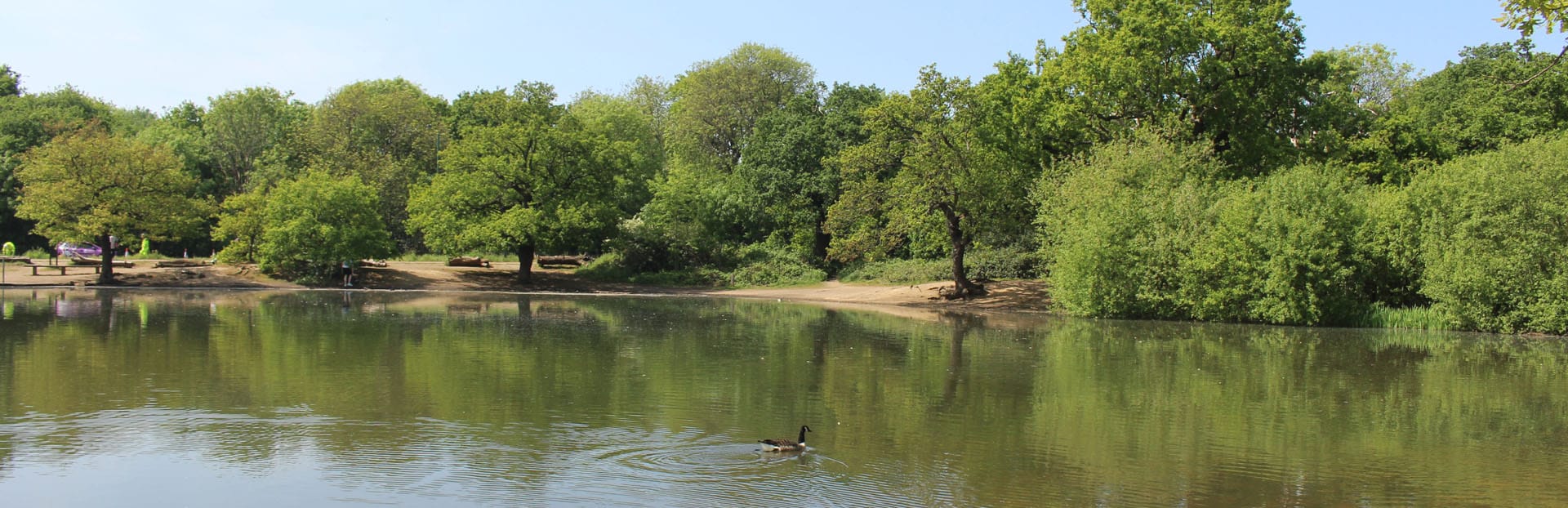
Redbridge added 31,290 residents between the 2011 and 2021 censuses, growth of 11.22% that ran well ahead of the 6.3% average across England and Wales. That expansion has been concentrated around Ilford, where the Elizabeth line now puts Liverpool Street within about 20 minutes and Tottenham Court Road within half an hour. The borough is one of London's greener boroughs, with Wanstead Park, Hainault Forest and the fringe of Epping Forest giving it a suburban feel that pulls families out of the denser inner boroughs.
The local employment rate of 71.3% sits below the London average, and the median gross weekly salary of £862.50 is a shade under the London median of £892.60 while running 14.6% ahead of the Great Britain figure of £752.40. Redbridge has little large-scale industry of its own; its economy leans on health, education and retail, and a large share of working residents commute into central London and Canary Wharf. That commuter base is what the rental market runs on, and the Elizabeth line has widened the pool of tenants who can reach the City and West End from an Ilford or Seven Kings flat.
Median gross annual earnings across Redbridge are £44,851, which is above the Great Britain median of £39,125 but below what the borough's asking prices demand, leaving a wide price-to-earnings gap across every postcode. Higher-earning commuter households, rather than local wages alone, support the top of the market, while the Ilford and Chadwell Heath postcodes carry the more affordable stock that a median local income can rent.
Redbridge Economic Summary
- Population (Redbridge): 310,260 (2021 Census). Growth of 11.22% from 2011.
- Median annual salary: £44,851 (local), £46,415 (London), £39,125 (Great Britain)
- Employment rate: 71.3% (local)
- Unemployment rate: 7.6% (local)
- Key employment sectors: Health and social work, education, wholesale and retail, plus a large commuter workforce travelling into central London
Source: ONS Census 2021, Nomis Labour Market Profile (ASHE 2025, Employment Oct 2024-Sep 2025)
Regeneration and Investment in Redbridge
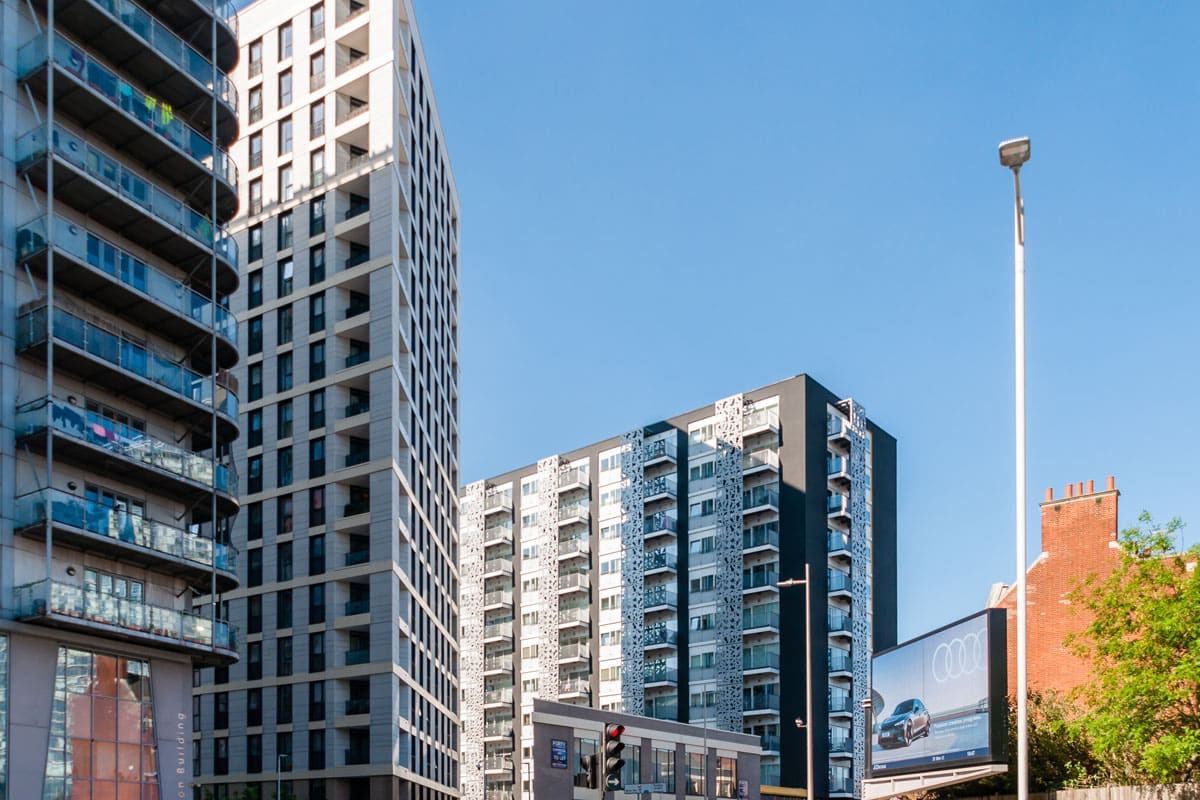
Redbridge's largest regeneration story is Ilford town centre, where the council's plan targets 6,000 new homes and 3,000 new jobs by 2030 around the borough's Elizabeth line hub. The investment is concentrated in Ilford, the borough's largest town, where the arrival of fast cross-London services has reshaped the case for building density around the station.
- Ilford Town Centre Regeneration (Active, 6,000 homes / 3,000 jobs by 2030): Redbridge Council's programme for Ilford aims to deliver 6,000 new homes and 3,000 new jobs by 2030, alongside a new Cultural Quarter combining civic, leisure, education and community uses. Early phases include The Spark Ilford, the SPACE studios public gallery and the Mercato Metropolitano food market, together with a new southern entrance to Ilford Station timed to the Elizabeth line. Updates at Redbridge Council.
- Elizabeth Line (Operational): The Elizabeth line serves Ilford, Seven Kings, Goodmayes and Chadwell Heath, giving fast direct services to Liverpool Street, the City, the West End and on to Heathrow. The line opened through the borough in 2022 and has widened the pool of central-London commuters who can reach work from Redbridge, feeding demand for rental homes near the affected stations.
- Crossrail Interchange and Station Upgrades (Active): Station improvements accompanying the Elizabeth line, including step-free access and the reconfigured Ilford Station, support the town centre's residential growth by improving the daily commute that underpins tenant demand. The upgrades are a long-term component of the Ilford housing programme rather than a standalone scheme.
Source: Office for National Statistics - Population for Redbridge
Redbridge Property Market Analysis
Average property prices in Redbridge have risen 606.5% since January 1995, from £70,909 to £500,969. The sections below trace that climb cycle by cycle, then move to the current postcode-level picture for sold prices, price per square foot, asking prices, growth, and monthly transaction volumes.
When was the last house price crash in Redbridge?
All Redbridge sold prices from HM Land Registry are recorded at borough level under ONS code E09000026. The House Price Index runs from January 1995 to the latest reading, covering three decades of market cycles.
The 1995 to 2007 climb: Redbridge started at £70,909 in January 1995. By December 2000 the average had reached £128,647, and the early-2000s London boom carried it to £225,810 by December 2005. Growth continued into the mid-decade, and the market peaked at £272,238 in October 2007.
2008 to 2009, the financial crisis: Prices fell from the October 2007 peak of £272,238 to a trough of £217,261 in April 2009, a decline of 20.2% over 18 months. The worst year-on-year reading was -19.6% in March 2009. Redbridge's fall was slightly deeper than England's 18.2% national correction, in line with the sharper swings London saw at both ends of the cycle.
Recovery, 2010 to 2013: The London market rebounded faster than most of the country. Prices climbed back to £259,331 by December 2010 and first surpassed the October 2007 peak in July 2013 at £272,654. Redbridge took under six years to recover its pre-crash high, well ahead of the national timeline.
The 2014 to 2016 surge: This was Redbridge's strongest run. Prices jumped from £320,905 in December 2014 to £395,037 by December 2016, with annual growth reaching 13.6% in December 2014. The Crossrail announcement and the wider London ripple pushed outer boroughs like Redbridge hard through this stretch.
2017 to 2019, the plateau: Growth flattened as London cooled. Prices moved from £409,321 in December 2017 to £412,922 by December 2019, with the reading briefly turning negative at -1.4% by the end of 2019. The borough spent three years consolidating the mid-decade gains.
2020 to 2022, the pandemic run: The stamp duty holiday and the shift towards space and greenery suited a leafy outer borough. Prices rose from £406,646 in June 2020 to £433,108 by December 2020, £455,305 by December 2021 and £478,636 by December 2022, holding 5.1% annual growth through 2021 and 2022.
The 2023 rate shock: Higher mortgage rates cooled the market. Prices eased to £443,380 by June 2023 and recorded -3.0% annual growth by December 2023, a modest correction against the pandemic gains.
2024 to present: Prices recovered to £485,768 by December 2024 and reached an all-time high of £509,131 in February 2026, before easing to £500,969 in the latest March 2026 reading. The current price is 84.0% above the October 2007 pre-crash peak of £272,238.
Long-term growth summary:
- 5 years (March 2021 to March 2026): 14.3% growth (£438,223 to £500,969)
- 10 years (December 2015 to March 2026): 38.2% growth (£362,514 to £500,969)
- 15 years (December 2010 to March 2026): 93.2% growth (£259,331 to £500,969)
- 20 years (December 2005 to March 2026): 121.9% growth (£225,810 to £500,969)
- 30 years (January 1995 to March 2026): 606.5% growth (£70,909 to £500,969)
Redbridge's 20.2% crash was slightly steeper than the England average, but the recovery was faster: the borough regained its pre-crash peak in under six years, against the eight-and-a-half years many northern markets needed. The 30-year return of 606.5% reflects the compounding of the mid-decade surge and the pandemic run. An investor who bought at the exact peak in October 2007 would be sitting on an 84.0% gain on the Land Registry average, with the recent easing from the February 2026 high still fresh in the numbers.
- All property types
- Detached
- Semi-detached
- Terraced
- Flats
- All property types
- Detached
- Semi-detached
- Terraced
- Flats
Sold House Prices in Redbridge
The average sold price across all property types in Redbridge is £500,969, which is 72.8% above the England average of £289,946 as of March 2026. That premium is not spread evenly. Detached and semi-detached houses carry premiums of 141.8% and 145.0% to England, while flats sit just 46.3% above. The gap tells you what kind of market Redbridge is: a house-heavy outer London borough where the family stock commands a large premium and the flats, concentrated around Ilford and Wanstead, form the affordable entry point.
| Property Type | Redbridge Average | England Average | Difference |
|---|---|---|---|
| Detached houses | £1,137,713 | £470,492 | +141.8% |
| Semi-detached houses | £706,061 | £288,185 | +145.0% |
| Terraced houses | £557,284 | £243,788 | +128.6% |
| Flats and maisonettes | £313,831 | £214,563 | +46.3% |
| All property types | £500,969 | £289,946 | +72.8% |
Detached houses at £1,137,713 carry the largest cash premium, 141.8% above England's £470,492. These are the large period and inter-war homes of Woodford Green, Chigwell and the borough's greener eastern edge, where buyers draw from the same pool as Epping Forest. Annual growth of 1.6% points to a stable rather than fast-moving top end.
Semi-detached houses at £706,061 sit 145.0% above England's £288,185, the widest premium of any type in Redbridge. The semi is the borough's defining house, spread across Barkingside, Gants Hill and the residential streets of IG2 and IG6, and its 2.2% annual growth is the strongest of the four types.
Terraced houses at £557,284 run 128.6% above England's £243,788. The terraced stock concentrates in the Ilford postcodes, particularly IG1 and E12, where Victorian and Edwardian rows sit close to the Elizabeth line stations. Annual growth of 1.8% keeps terraces broadly in step with the wider market.
Flats and maisonettes at £313,831 carry the smallest premium at 46.3% above England's £214,563, and are the one type showing a decline, at -3.6% over the year. Redbridge is not a tower-block borough; its flats are largely conversions and low-rise blocks around Ilford, Wanstead and South Woodford, which is why they sit far below the house premiums and form the natural entry point for a yield-focused purchase.
Price Per Square Foot in Redbridge
Just over £200 per square foot separates Redbridge's cheapest postcode from its most expensive, with IG1 at £455 and E11 at £659. Measuring by the square foot strips out how large the homes are, so it compares what a location itself commands rather than the size of its houses. E11 (Wanstead, Leytonstone edge) tops the table, reflecting the period villas and the pull of Wanstead's village character.
| Rank | Area | Price Per Sq Ft |
|---|---|---|
| 1 | IG1 (Ilford) | £455 |
| 2 | RM6 (Chadwell Heath) | £459 |
| 3 | IG4 (Redbridge, Gants Hill) | £462 |
| 4 | IG3 (Seven Kings) | £470 |
| 5 | IG2 (Gants Hill, Newbury Park) | £476 |
| 6 | E12 (Manor Park) | £479 |
| 7 | IG5 (Clayhall) | £495 |
| 8 | IG6 (Barkingside, Hainault) | £504 |
| 9 | IG7 (Chigwell) | £505 |
| 10 | IG8 (Woodford Green) | £566 |
| 11 | E18 (South Woodford) | £597 |
| 12 | E11 (Wanstead) | £659 |
IG1 at £455 per square foot is the cheapest bricks-and-mortar value in Redbridge, drawn from 462 transactions. Ilford is the borough's commercial and transport core, and its mix of flats and terraced housing keeps the per-foot cost down even as the Elizabeth line lifts demand. RM6 (Chadwell Heath) sits just behind at £459.
E11 at £659 per square foot tops the table off 705 transactions, £204 clear of IG1. Wanstead's period housing, tree-lined streets and quick reach into the City through Snaresbrook and Wanstead command the borough's highest per-foot rate. E18 (South Woodford) at £597 and IG8 (Woodford Green) at £566 form the same premium north-western band.
For Sale Asking Prices in Redbridge
IG1 at £401,417 and IG7 at £718,168 sit 78.9% apart, the full spread of a 12-postcode borough. That hierarchy tracks the sold-price picture, with the Ilford postcodes at the affordable end and the Chigwell and Woodford belt at the top. The mean asking price across all 12 Redbridge postcodes is £538,319.
| Rank | Area | Asking Price |
|---|---|---|
| 1 | IG1 (Ilford) | £401,417 |
| 2 | RM6 (Chadwell Heath) | £438,409 |
| 3 | E12 (Manor Park) | £443,999 |
| 4 | IG2 (Gants Hill, Newbury Park) | £474,736 |
| 5 | IG6 (Barkingside, Hainault) | £481,991 |
| 6 | E18 (South Woodford) | £520,149 |
| 7 | IG3 (Seven Kings) | £547,095 |
| 8 | E11 (Wanstead) | £562,911 |
| 9 | IG5 (Clayhall) | £594,636 |
| 10 | IG8 (Woodford Green) | £624,130 |
| 11 | IG4 (Redbridge, Gants Hill) | £652,187 |
| 12 | IG7 (Chigwell) | £718,168 |
IG1 at £401,417 is the lowest asking price in the borough and the only postcode under the £438,223 mark that five years of Land Registry growth started from. Ilford combines the borough's largest supply of flats and terraces with its best transport, so it offers the most property for a fixed budget and the lowest barrier to entry. RM6 (Chadwell Heath) and E12 (Manor Park) follow closely, keeping three postcodes under £445,000.
IG7's £718,168 asking price is the borough's ceiling. Chigwell straddles the Essex border and trades on its low-density, high-value housing and the pull of the Central line, and its rental yield, covered below, sits near the bottom of the table as a result. The gap between IG1 and IG7 is £316,751, which is enough to fund a second purchase in Ilford outright.
House Price Growth in Redbridge
E18 leads Redbridge on recent growth, up 13.2% over one year and 15.4% over three, while IG1 posts the strongest five-year return at 18.9%. Nine of the 12 postcodes delivered positive five-year growth, but the recent picture is mixed, with IG4 down 8.6% over the year and IG2 the only postcode negative across both the three and five-year windows.
| Area | 1 Year | 3 Years | 5 Years |
|---|---|---|---|
| IG1 (Ilford) | 8.1% | 9.2% | 18.9% |
| IG3 (Seven Kings) | 10.8% | 6.9% | 14.9% |
| E11 (Wanstead) | 1.4% | 4.4% | 13.2% |
| E18 (South Woodford) | 13.2% | 15.4% | 12.1% |
| E12 (Manor Park) | -1.6% | 6.6% | 12.1% |
| IG5 (Clayhall) | 3.4% | 3.8% | 11.9% |
| RM6 (Chadwell Heath) | 4.6% | 1.3% | 11.6% |
| IG6 (Barkingside, Hainault) | 4.0% | 7.5% | 9.5% |
| IG8 (Woodford Green) | 2.9% | 4.0% | 8.7% |
| IG4 (Redbridge, Gants Hill) | -8.6% | -2.4% | 2.4% |
| IG7 (Chigwell) | 9.1% | -1.3% | 0.9% |
| IG2 (Gants Hill, Newbury Park) | 3.5% | -2.5% | -4.5% |
IG1 at 18.9% five-year growth records the highest return in Redbridge, and it did so while carrying the lowest asking price. Ilford is where the Elizabeth line effect shows up most clearly in the numbers: the fast link to the City has drawn buyers and tenants to the borough's cheapest, best-connected postcode. Positive readings across all three windows make IG1 the most consistent performer in the borough.
E18 (South Woodford) leads the recent readings at 13.2% over the year and 15.4% over three, the strongest short-run growth in Redbridge. IG2 (Gants Hill, Newbury Park) sits at the other end, the only postcode negative over both three and five years, at -2.5% and -4.5%, while IG4's -8.6% one-year figure is the sharpest recent fall in the borough.
Monthly Property Sales in Redbridge
Transaction volumes range widely across Redbridge, from 4 sales a month in IG4 to 38 in E11, with turnover between 6% and 19%. The busier postcodes cluster around the Ilford and Wanstead ends, while the premium Chigwell and Gants Hill areas turn over more slowly.
| Area | Sales Per Month | Turnover | Asking Price |
|---|---|---|---|
| E11 (Wanstead) | 38 | 13% | £562,911 |
| IG8 (Woodford Green) | 25 | 11% | £624,130 |
| IG1 (Ilford) | 21 | 9% | £401,417 |
| IG6 (Barkingside, Hainault) | 19 | 11% | £481,991 |
| IG7 (Chigwell) | 17 | 6% | £718,168 |
| RM6 (Chadwell Heath) | 15 | 12% | £438,409 |
| E18 (South Woodford) | 15 | 9% | £520,149 |
| IG3 (Seven Kings) | 13 | 10% | £547,095 |
| IG2 (Gants Hill, Newbury Park) | 10 | 8% | £474,736 |
| E12 (Manor Park) | 8 | 8% | £443,999 |
| IG5 (Clayhall) | 8 | 10% | £594,636 |
| IG4 (Redbridge, Gants Hill) | 4 | 19% | £652,187 |
E11 (Wanstead) records the most transactions at 38 a month, well ahead of the rest of the borough. A deep pool of period flats and family houses close to the Central line keeps Wanstead's market active. RM6 (Chadwell Heath) has the highest turnover among the busier postcodes at 12%, which for a buy-to-let investor points to a more fluid exit route than the slower premium areas.
IG7 (Chigwell) has the lowest turnover in the borough at 6% despite 17 sales a month, a sign that its larger, more expensive housing stock changes hands slowly relative to its size. IG4's 19% turnover reads high, but it comes off just 4 sales a month, so a small number of transactions represents a large share of a thin market rather than genuine liquidity.
How Long Properties Take to Sell in Redbridge
Selling times stretch across Redbridge, with E11 (Wanstead) clearing fastest at about 217 days while IG7 (Chigwell) sits longest at roughly 435 days. Days on market is the typical time a home is listed before it sells; months of unsold stock shows how much for-sale supply is queued at the current rate of sales.
| Area | Avg Days to Sell | Months of Unsold Stock | Market |
|---|---|---|---|
| E11 (Wanstead) | 217 | 7.1 | Balanced market |
| IG4 (Redbridge, Gants Hill) | 217 | 7.1 | Balanced market |
| IG6 (Barkingside, Hainault) | 234 | 7.7 | Balanced market |
| RM6 (Chadwell Heath) | 254 | 8.3 | Balanced market |
| IG5 (Clayhall) | 277 | 9.1 | Balanced market |
| IG8 (Woodford Green) | 277 | 9.1 | Balanced market |
| E18 (South Woodford) | 304 | 10.0 | Balanced market |
| IG1 (Ilford) | 338 | 11.1 | Balanced market |
| IG3 (Seven Kings) | 338 | 11.1 | Balanced market |
| E12 (Manor Park) | 380 | 12.5 | Buyer's market |
| IG2 (Gants Hill, Newbury Park) | 380 | 12.5 | Buyer's market |
| IG7 (Chigwell) | 435 | 14.3 | Buyer's market |
The exit figure most yield tables leave out is how long a Redbridge sale actually takes. E11's 7.1 months of supply against IG7's 14.3 is a fixed cost the yield never shows: the higher-yielding, cheaper postcodes such as IG1 and E12 also sit among the slowest to sell, so an income buyer is trading a faster rent return for a longer wait when the time comes to exit. Factoring that holding time in matters as much as the headline yield.
What Type of Property Can You Buy in Redbridge?
Flats are the largest single category in the Ilford and Wanstead postcodes, peaking at 44.8% of stock in E18, while detached and semi-detached houses dominate the Chigwell and Woodford belt. The mix of housing shapes which strategy fits each postcode. The figures below are drawn from 2021 Census records for each postcode.
| Area | Detached | Semi-detached | Terraced | Flats |
|---|---|---|---|---|
| E11 (Wanstead) | 7.7% | 21.6% | 30.3% | 40.3% |
| E12 (Manor Park) | 7.0% | 16.6% | 39.9% | 36.3% |
| E18 (South Woodford) | 6.4% | 29.1% | 19.6% | 44.8% |
| IG1 (Ilford) | 6.8% | 21.8% | 35.3% | 36.0% |
| IG2 (Gants Hill, Newbury Park) | 6.1% | 29.4% | 35.3% | 28.8% |
| IG3 (Seven Kings) | 8.2% | 25.1% | 37.0% | 29.6% |
| IG4 (Redbridge, Gants Hill) | 4.9% | 33.2% | 38.8% | 23.0% |
| IG5 (Clayhall) | 8.7% | 43.5% | 19.9% | 27.6% |
| IG6 (Barkingside, Hainault) | 6.7% | 32.1% | 34.4% | 26.5% |
| IG7 (Chigwell) | 39.5% | 22.3% | 19.8% | 18.2% |
| IG8 (Woodford Green) | 31.5% | 27.3% | 19.6% | 21.6% |
| RM6 (Chadwell Heath) | 9.8% | 28.9% | 22.5% | 38.8% |
E18 (South Woodford) and E11 (Wanstead) hold the largest flat shares at 44.8% and 40.3%, and the Ilford postcodes IG1 and E12 pair high flat shares with high terraced shares. That smaller-unit stock is the classic buy-to-let base, and it lines up with those postcodes carrying the lowest asking prices and the highest yields in the borough. City-centre and station-area flats suit single lets and sharers, while the Ilford terraces work for family lets.
IG7 (Chigwell) is the most house-dominated postcode, with detached homes alone at 39.5% and flats down at 18.2%. Detached and semi-detached houses together make up more than 60% of Chigwell's stock, which matches its position as the borough's most expensive, lowest-yielding postcode. The housing here is weighted towards owner-occupier family homes rather than the smaller units that drive rental income.
The flats figure covers both purpose-built blocks and converted units. A small share of non-standard dwellings is excluded, so rows may not total 100%.
Redbridge Rental Market Analysis
Monthly rents in Redbridge range from £1,744 in IG4 to £2,334 in IG7, with gross rental yields from 3.2% to 5.5% across the 12 postcodes. For investors asking is buy to let worth it in Redbridge, the sections below break down rents, yields, and tenant affordability postcode by postcode. If you are looking at how to build a property portfolio in outer London, Redbridge pairs a large commuter tenant base with the Elizabeth line, though its yields sit below the higher-returning boroughs further east. Browse current buy-to-let homes for sale across the region.
Average Rent & Gross Rental Yields in Redbridge
Gross rental yields in Redbridge range from 3.2% in IG4 to 5.5% in E12. The pattern is the familiar London inversion: the cheaper postcodes deliver the higher yields, and the premium ones the lower. E12 (Manor Park) tops the table at 5.5% on a £443,999 asking price, while IG7 (Chigwell) charges the highest rent at £2,334 but yields only 3.9% because its £718,168 asking price is 62.4% higher.
| Area | Average Monthly Rent | Asking Price | Gross Yield |
|---|---|---|---|
| E12 (Manor Park) | £2,028 | £443,999 | 5.5% |
| IG1 (Ilford) | £1,810 | £401,417 | 5.4% |
| RM6 (Chadwell Heath) | £1,927 | £438,409 | 5.3% |
| IG6 (Barkingside, Hainault) | £1,942 | £481,991 | 4.8% |
| IG2 (Gants Hill, Newbury Park) | £1,801 | £474,736 | 4.6% |
| IG5 (Clayhall) | £2,229 | £594,636 | 4.5% |
| E18 (South Woodford) | £1,821 | £520,149 | 4.2% |
| E11 (Wanstead) | £1,946 | £562,911 | 4.1% |
| IG3 (Seven Kings) | £1,804 | £547,095 | 4.0% |
| IG7 (Chigwell) | £2,334 | £718,168 | 3.9% |
| IG8 (Woodford Green) | £1,976 | £624,130 | 3.8% |
| IG4 (Redbridge, Gants Hill) | £1,744 | £652,187 | 3.2% |
E12 (Manor Park) at 5.5% delivers the borough's top yield, pairing a £2,028 rent with the third-lowest asking price at £443,999. Manor Park sits on the Newham boundary with its own Elizabeth line station, and that combination of affordable stock and fast transport is what pushes its return to the top of the table.
IG1 (Ilford) at 5.4% runs a close second on the lowest asking price in the borough, £401,417, for a £1,810 rent. A 30% deposit of £120,425 buys into the borough's best-connected and highest-growth postcode at nearly the top yield. RM6 (Chadwell Heath) at 5.3% keeps three postcodes above 5%.
IG4 (Redbridge, Gants Hill) at 3.2% sits at the bottom. The £1,744 rent is the lowest in the borough and the £652,187 asking price the second-highest, so the income return is compressed at both ends. In the premium north-western postcodes, the high price does more for capital value than for yield.
Gross Rental Yield by Postcode
Is Redbridge Rent High?
Monthly rents in Redbridge consume between 46.7% and 62.4% of the local median gross monthly salary. The widely cited threshold for rent affordability is 30% of gross income, and every Redbridge postcode sits well above it. That gap is a feature of outer London: rents are set by a commuter tenant base earning City and Canary Wharf wages, not by the borough's own median salary.
The median gross weekly salary in Redbridge is £862.50, which equates to £3,738 per month or £44,851 per year. This is below the London median of £892.60 per week but above the Great Britain median of £752.40 per week. Data from the Nomis Labour Market Profile (ASHE 2025).
| Rank | Area | Rent as % of Income |
|---|---|---|
| 1 | IG7 (Chigwell) | 62.4% |
| 2 | IG5 (Clayhall) | 59.6% |
| 3 | E12 (Manor Park) | 54.3% |
| 4 | IG8 (Woodford Green) | 52.9% |
| 5 | E11 (Wanstead) | 52.1% |
| 6 | IG6 (Barkingside, Hainault) | 52.0% |
| 7 | RM6 (Chadwell Heath) | 51.6% |
| 8 | E18 (South Woodford) | 48.7% |
| 9 | IG1 (Ilford) | 48.4% |
| 10 | IG3 (Seven Kings) | 48.3% |
| 11 | IG2 (Gants Hill, Newbury Park) | 48.2% |
| 12 | IG4 (Redbridge, Gants Hill) | 46.7% |
IG4 at 46.7% is the most affordable in relative terms, though it still absorbs close to half of local median income. A £1,744 rent against a £3,738 monthly salary leaves less headroom than the 30% guideline, which is why single-earner households on the borough's median wage are stretched almost everywhere in Redbridge and dual-income or commuter tenants dominate the lettings market.
IG7 (Chigwell) at 62.4% is the least affordable against the local median, but the tenants renting at £2,334 a month in Chigwell are typically higher-earning professional households rather than earners on the borough salary. The affordability table is best read as a guide to which postcodes match a locally-earning tenant, IG4, IG2 and the Ilford postcodes, against which rely on commuter incomes.
How Big Is Redbridge's Private Rented Sector?
The private rented sector is deepest in the Ilford postcodes, at 39.5% of households in IG1 and 37.7% in IG3, and shallowest in Chigwell and Woodford Green at 13.4% and 16.1%. The share of homes already rented privately is a guide to how large and established the local tenant pool is. The table below shows household tenure by postcode.
| Area | Owned Outright | Owned with Mortgage | Private Rented | Social Rented |
|---|---|---|---|---|
| IG1 (Ilford) | 23.3% | 23.6% | 39.5% | 12.5% |
| IG3 (Seven Kings) | 24.3% | 27.1% | 37.7% | 9.9% |
| E12 (Manor Park) | 21.5% | 19.3% | 36.4% | 21.6% |
| RM6 (Chadwell Heath) | 20.3% | 30.5% | 35.2% | 13.6% |
| IG2 (Gants Hill, Newbury Park) | 28.5% | 30.6% | 30.7% | 9.2% |
| IG4 (Redbridge, Gants Hill) | 33.1% | 32.5% | 30.6% | 3.4% |
| E18 (South Woodford) | 29.1% | 32.5% | 29.3% | 8.2% |
| E11 (Wanstead) | 29.4% | 31.8% | 26.5% | 11.7% |
| IG6 (Barkingside, Hainault) | 28.0% | 32.0% | 25.0% | 14.0% |
| IG5 (Clayhall) | 32.4% | 34.4% | 24.1% | 8.7% |
| IG8 (Woodford Green) | 30.7% | 45.2% | 16.1% | 7.2% |
| IG7 (Chigwell) | 26.3% | 50.9% | 13.4% | 6.0% |
IG1 and IG3 have the deepest private rented sectors in Redbridge, close to four in ten households, and they pair that established tenant base with two of the borough's higher yields at 5.4% and 4.0%. A large existing rented sector points to an active local lettings market and a wide pool of tenants already renting in the area, a different signal from yield alone. The Ilford postcodes combine that depth with the borough's most affordable stock, which is why they read as the core buy-to-let ground.
IG7 (Chigwell) and IG8 (Woodford Green) sit at the other end, with private renting at 13.4% and 16.1% and mortgaged ownership above 45%. These are owner-occupier family postcodes, and their thin rented sectors line up with their low yields. On the rental supply side, the PropertyData rental-demand reading rates every Redbridge postcode with enough listings as a landlord's market, with homes in E18 letting fastest at around 24 days and IG7 slowest at about 66, so tenant demand comfortably outweighs available stock across the borough.
Local Housing Allowance Rates in Redbridge
Redbridge is split between two Broad Rental Market Areas: E11 and E12 fall in Outer East London, where the two-bedroom Local Housing Allowance is £322.19 a week, and the other ten postcodes sit in Outer North East London at £287.67 a week. Local Housing Allowance sets the maximum housing support a tenant on benefits can claim, so it acts as a rent floor for landlords letting to that part of the market. Because the borough straddles two areas, the rates differ depending on the postcode.
| Property Size | Outer East London (E11, E12) | Outer North East London (all other postcodes) |
|---|---|---|
| Shared accommodation | £129.18 | £126.54 |
| 1 bedroom | £276.16 | £230.14 |
| 2 bedrooms | £322.19 | £287.67 |
| 3 bedrooms | £385.48 | £345.21 |
| 4 bedrooms | £414.25 | £414.25 |
In the Outer East London area, the two-bedroom rate of £322.19 a week works out at about £1,396 a month, while the Outer North East London equivalent of £287.67 comes to around £1,247. Both sit below Redbridge's open-market rents of £1,744 to £2,334, so a benefit-backed tenancy at the LHA rate falls under the borough's market level, with the closest fit in the Ilford and Chadwell Heath postcodes where asking prices and rents are lowest. The rates are set in June each year and apply borough-wide within each area. To check the current rate for a specific address, use the government's official Local Housing Allowance calculator.
Buy-to-Let Considerations
Are House Prices High in Redbridge? Price-to-Earnings Ratios
Buying a property in Redbridge requires between 9.0 and 16.0 times the median annual salary. This is based on the Nomis Labour Market Profile for Redbridge showing the median gross annual income for Redbridge residents is £44,851.
The national benchmark for price-to-earnings is 7.4x (England's average sold price of £289,946 divided by the Great Britain median annual salary of £39,125). Every one of Redbridge's 12 postcodes sits above that national benchmark, which is what you would expect of an outer London borough where prices are set by higher-earning commuter households rather than local wages alone.
| Rank | Area | Price-to-Earnings Ratio |
|---|---|---|
| 1 | IG1 (Ilford) | 9.0x |
| 2 | RM6 (Chadwell Heath) | 9.8x |
| 3 | E12 (Manor Park) | 9.9x |
| 4 | IG2 (Gants Hill, Newbury Park) | 10.6x |
| 5 | IG6 (Barkingside, Hainault) | 10.7x |
| 6 | E18 (South Woodford) | 11.6x |
| 7 | IG3 (Seven Kings) | 12.2x |
| 8 | E11 (Wanstead) | 12.6x |
| 9 | IG5 (Clayhall) | 13.3x |
| 10 | IG8 (Woodford Green) | 13.9x |
| 11 | IG4 (Redbridge, Gants Hill) | 14.5x |
| 12 | IG7 (Chigwell) | 16.0x |
IG1 at 9.0x is the most affordable entry in Redbridge relative to local earnings, though it still sits well above the 7.4x national benchmark. Ilford's lower asking price against a borough-median salary keeps its ratio the lowest, which is one reason it also carries the highest five-year growth and near-top yield.
IG7 at 16.0x is more than double the national benchmark. At sixteen times the local median salary, Chigwell is firmly commuter-and-professional territory, bought by households whose incomes are far above the borough median. For an investor, that elevated ratio is the flip side of the low yield: the price is doing its work in capital value rather than income.
Deposit Requirements in Redbridge
A 30% deposit on a buy-to-let property in Redbridge ranges from £120,425 in IG1 to £215,450 in IG7. The gap between the cheapest and most expensive deposit is £95,025, close to the full deposit needed for a second purchase in Ilford. For investors comparing Redbridge with other London boroughs, these deposits sit above the more affordable east London markets but below the inner-London premium boroughs.
Beyond the deposit, the stamp duty calculation and other buy-to-let running costs affect the total capital required.
| Rank | Area | 30% Deposit Required |
|---|---|---|
| 1 | IG1 (Ilford) | £120,425 |
| 2 | RM6 (Chadwell Heath) | £131,523 |
| 3 | E12 (Manor Park) | £133,200 |
| 4 | IG2 (Gants Hill, Newbury Park) | £142,421 |
| 5 | IG6 (Barkingside, Hainault) | £144,597 |
| 6 | E18 (South Woodford) | £156,045 |
| 7 | IG3 (Seven Kings) | £164,128 |
| 8 | E11 (Wanstead) | £168,873 |
| 9 | IG5 (Clayhall) | £178,391 |
| 10 | IG8 (Woodford Green) | £187,239 |
| 11 | IG4 (Redbridge, Gants Hill) | £195,656 |
| 12 | IG7 (Chigwell) | £215,450 |
IG1 is the cheapest way into Redbridge at a £120,425 deposit, and it buys the postcode that pairs the top five-year growth at 18.9% with a 5.4% yield and the borough's deepest rented sector. Stepping up to RM6 or E12 adds only around £11,000 to £13,000 to the deposit while holding a yield of 5.3% or better, so the three most affordable postcodes cluster together at the top of the income table.
At the other end, IG4 and IG7 need deposits of £195,656 and £215,450, roughly £75,000 to £95,000 more than IG1, for yields of 3.2% and 3.9%. That extra capital buys into the borough's premium north-western belt, where the return comes from capital value and a wealthier tenant base rather than income. E12 shows the trade most cleanly: a deposit £95,000 lighter than IG7's buys the borough's top yield instead of its lowest.
What the Redbridge Data Tells Buy-to-Let Investors
In Redbridge the cheapest way in is also close to the highest-yielding, and both sit on the Elizabeth line. IG1 (Ilford) has the lowest asking price for buying an investment property in Redbridge at £401,417, a 5.4% yield just behind the borough top, the highest five-year growth at 18.9%, and the deepest private rented sector at 39.5%. A 30% deposit there is £120,425, the lowest in the borough, for a home renting at £1,810 a month.
E12 (Manor Park) edges the yield table at 5.5% on a £443,999 asking price, and RM6 (Chadwell Heath) at 5.3% completes the trio of sub-£445,000, above-5% postcodes clustered around the Ilford and eastern end of the borough. These three, all on or near the Elizabeth line, are where income and affordability meet in Redbridge. The wider borough tells a house-heavy, premium London story: detached and semi-detached homes sell 128% to 145% above England, and the flats around Ilford and Wanstead form the yield-bearing base beneath them.
At the premium end, IG7 (Chigwell) and IG4 carry the highest asking prices and the lowest yields at 3.9% and 3.2%, with rents that consume 62.4% and 46.7% of local median income. The return there is weighted towards capital value and a wealthier commuter tenant base rather than monthly income. Buyers who want to come in below asking often look through off-market property in Redbridge channels, where the cheaper entry points move before they reach the portals.
Redbridge does not operate a borough-wide selective licensing scheme for standard private lets, though HMOs above the mandatory threshold require a licence and selective licensing applies in designated areas, both set out on Redbridge Council's property licensing pages. With the Elizabeth line reshaping commuter access and the Ilford regeneration adding 6,000 homes by 2030, the borough reads as a lower-yield, commuter-led outer London market: modest headline returns against a deep, established tenant base and improving transport.
How Redbridge Compares
Redbridge's mean asking price of £538,319 is the fourth-highest of five north-east London boroughs compared here, and its top yield of 5.5% is the lowest of the group. The comparison places Redbridge alongside four neighbouring boroughs, each with a different investor profile. The mean asking price and mean monthly rent are simple averages across all postcodes with data, and the top gross yield is the single highest postcode yield in each location.
| Location | Mean Asking Price | Mean Monthly Rent | Mean Gross Yield | Top Yield (postcode) |
|---|---|---|---|---|
| Newham | £437,735 | £2,189 | 6.0% | 6.8% (IG11) |
| Waltham Forest | £518,892 | £1,997 | 4.6% | 6.3% (E15) |
| Havering | £519,544 | £1,727 | 4.0% | 6.1% (RM3) |
| Redbridge | £538,319 | £1,947 | 4.3% | 5.5% (E12, IG1) |
| Enfield | £539,526 | £1,906 | 4.2% | 6.4% (EN3) |
Redbridge is the second most expensive location in this group at £538,319 mean asking price, just below Enfield, and its top yield of 5.5% is the lowest of the five. That combination is the signature of a leafier, house-heavy outer borough: prices are pushed up by the family stock in Chigwell, Woodford and Wanstead, while the yield ceiling is capped because even the cheapest Ilford postcodes are relatively dear.
For investors prioritising income, Newham at 6.8% and Enfield at 6.4% deliver higher top-line yields, with Newham also carrying the lowest asking price in the table. Waltham Forest at 6.3% offers a similar inner-edge profile to Redbridge at a slightly lower price, while Havering at 6.1% extends the commuter belt further east. Redbridge competes for capital that values the greener, family-oriented end of north-east London over the top of the yield table. For a data-driven comparison across all UK locations, see our highest-yielding areas guide.
Frequently Asked Questions
Is Redbridge a good place to live for buy-to-let tenants?
It works well for commuter tenants, and that is who the rental market runs on. The Elizabeth line puts Ilford, Seven Kings, Goodmayes and Chadwell Heath within about 20 minutes of Liverpool Street, so a tenant can rent a Redbridge flat and still work in the City or Canary Wharf. The borough is also one of London's greener ones, with Wanstead Park, Hainault Forest and the fringe of Epping Forest, which suits families looking for space outside the denser inner boroughs.
The catch is affordability against local wages. Rents take between 46.7% and 62.4% of the borough's median salary, so the tenants who can comfortably afford them tend to be dual-income or commuting into higher-paying central London jobs rather than earning locally.
What are the best areas in Redbridge for property investment?
The income and growth postcodes cluster at the affordable, Elizabeth line end. E12 (Manor Park) carries the top yield at 5.5% on a £443,999 asking price. IG1 (Ilford) follows at 5.4% on the borough's lowest price of £401,417, and it also posts the strongest five-year growth in Redbridge. RM6 (Chadwell Heath) sits just behind at 5.3%, so those three are the core buy-to-let ground.
At the other end, IG7 (Chigwell) and IG4 are the premium postcodes, with asking prices of £718,168 and £652,187 and the lowest yields at 3.9% and 3.2%. So if income is the priority, the Ilford and Manor Park postcodes lead; the north-western belt is where the money sits in capital value and a wealthier tenant base.
How does Redbridge compare to Newham for buy-to-let?
Newham is the higher-yield, lower-cost neighbour. Its mean asking price of £437,735 is around 19% below Redbridge's £538,319, and its top yield of 6.8% is well ahead of Redbridge's 5.5%. Newham's denser, flat-heavy stock and its own Elizabeth line and DLR links drive that stronger cash-flow profile.
Redbridge trades that yield for greener, more house-dominated suburbs and a family tenant base, particularly in the Chigwell, Woodford and Wanstead postcodes. Which suits the money depends on whether the priority is monthly income, where Newham leads, or the leafier, growth-and-space end of north-east London.
Is there demand for student accommodation in Redbridge?
Less than in the university-heavy boroughs, since Redbridge has no large campus of its own. The borough's rental demand runs on commuters rather than students, so a standard let to a working household is the mainstream strategy here. Tenants studying in central London do sometimes rent in the cheaper Ilford postcodes for the Elizabeth line access, but that is a small slice of the market. For the purpose-built end, see our guide to student property investment.
On the HMO side, a sample of current room adverts in IG1 (Ilford) puts a double with a shared bathroom at around £182 a week, with most between £150 and £213 across 62 adverts. That was the room type with enough live adverts for a reliable figure in the borough. For how the numbers work on a shared house, see our HMO investment guide.
Can I find buy-to-let property under £450,000 in Redbridge?
Yes, at the Ilford and eastern end. Three postcodes average below £445,000: IG1 (Ilford) at £401,417, RM6 (Chadwell Heath) at £438,409 and E12 (Manor Park) at £443,999, and all three yield above 5%. Below those averages, the way in is by property type: flats across Redbridge average £313,831 on the Land Registry index, well under the borough's house prices. If a sub-£450,000 entry is the target, the Ilford flats and terraces are where to look, or explore below market value properties.
When will the Ilford regeneration affect Redbridge property prices?
It is a gradual, decade-long effect rather than a single moment. The Ilford town centre programme targets 6,000 new homes and 3,000 new jobs by 2030, with the Cultural Quarter and station upgrades rolling out in phases. The bigger price driver has already landed: the Elizabeth line opened through the borough in 2022 and is visible in IG1's 18.9% five-year growth, the strongest in Redbridge.
The regeneration itself adds supply as well as demand, so its effect on prices is more about sustaining the town centre's appeal over the coming years than a sudden uplift. Anyone pricing it in today is looking at a long-run story anchored to the transport that is already running.
What are average house prices in Redbridge?
The average sold price across Redbridge is £500,969 on the Land Registry index, about 72.8% above the England average of £289,946 and 7.6% below the wider London figure as of March 2026. Asking prices by postcode run from £401,417 in IG1 (Ilford) up to £718,168 in IG7 (Chigwell), with a borough mean of £538,319. By type, detached homes average £1,137,713, semi-detached £706,061, terraced £557,284 and flats £313,831.
Through a buy-to-let lens, E12 and IG1 are the cheapest and highest-yielding at 5.5% and 5.4%, while IG4 and IG7 are the dearest and lowest-yielding.
What are the Local Housing Allowance rates in Redbridge?
Redbridge is split across two Broad Rental Market Areas, so the rates depend on the postcode. E11 and E12 fall in Outer East London, where the June 2026 rates run at £129.18 a week for a shared room, £276.16 for one bed, £322.19 for two, £385.48 for three and £448.77 for four. The other ten postcodes sit in Outer North East London, at £126.54 shared, £230.14 for one bed, £287.67 for two, £345.21 for three and £414.25 for four. That figure is the most a tenant on housing support can claim towards rent, so for that part of the market it effectively sets a floor.
What type of property is most common in Redbridge?
It varies sharply by postcode. Flats lead in the Ilford and Wanstead postcodes, peaking at 44.8% of stock in E18 (South Woodford) and 40.3% in E11 (Wanstead), with high terraced shares alongside them in E12 and IG1. Houses dominate the north-western belt: IG7 (Chigwell) is the most detached-heavy at 39.5%, and IG8 (Woodford Green) follows at 31.5%. The smaller flats and terraces that usually suit buy-to-let are concentrated in the cheaper, better-connected Ilford end.
How do I buy an investment property in Redbridge?
Decide the goal first, because income and capital growth point to different parts of the borough. For yield, the Ilford and Manor Park postcodes lead: IG1 at 5.4% on a £401,417 asking price, E12 at 5.5% and RM6 at 5.3%. For the greener, family end, the Chigwell and Woodford postcodes carry lower yields but the borough's premium stock. Budget for a 30% deposit, which runs from £120,425 in IG1 to £215,450 in IG7.
Beyond what is listed openly, plenty of experienced investors buy below asking through off-market property and BMV property. To see what is available now, browse investment properties or buy-to-let homes for sale.
Ready to buy property?
Access off-market investment properties with an average 8%+ annual gross yield (beating the UK's typical 3-5%).
Get property alerts