

Hampshire is a county on England's south coast, in the South East region. It runs from the Berkshire and Surrey borders in the north down to the Solent, taking in the two big waterfront cities of Southampton and Portsmouth, the cathedral city of Winchester, the New Forest and a long stretch of commuter country along the M3 and the London Waterloo line. For a property investor that geography matters, because it splits the county into two very different markets that happen to share a name.
The average Hampshire home sold for £362,547 in March 2026 (Land Registry). That is 25% above the England average of £289,946, so as a whole this is a premium county. The spread underneath that headline is what an investor is actually buying into. Gross yields run from 4.5% in Winchester up to 7.7% in Southampton's SO17, and asking prices range from around £261,000 in Southampton to £551,000 in Winchester. Same county, and roughly double the money and half the yield depending on which end of it you buy in.
A 30% deposit on the county-average home is £108,764 before stamp duty and buying costs. But that average is a blend of a £183,000 flat and a £621,000 detached house, so the number that matters is the deposit on the actual property type you are targeting, not the county mean. The four town guides below cover where those figures come from, and the county market analysis after them explains how Hampshire got here.
Article updated: July 2026
Explore Hampshire town guides
Compare local yields and sold prices across Hampshire's town guides before the county market analysis.

The Hampshire property market
Hampshire has a single Land Registry price series going back to January 1995, when the average home here sold for £66,767. Thirty years later that same average is £362,547, a rise of 443%. That is the long arc, and like most of southern England it was not a straight line.
Prices climbed through the 2000s to a pre-crash peak of £234,591 in November 2007. When the financial crisis hit, the county average fell to a trough of £190,117 by April 2009, a drop of about 19% peak to trough. Recovery took years rather than months, but the following decade more than made up for it. The all-time high came in September 2022 at £374,131, just after the stamp-duty-holiday buying surge. Since then the average has eased back about 3% to today's £362,547, so buyers in 2026 are paying slightly less than the 2022 top.
The last five years tell the recent story: up 12.8% from £321,293 in March 2021. Solid, but not the runaway growth of the 2010s, and the pace has cooled to under 1% a year across the county as a whole in the latest figures.
- All property types
- Detached
- Semi-detached
- Terraced
- Flats
The property-type split is where a premium county like this shows its shape. The average detached house in Hampshire sold for £621,414 in March 2026, while the average flat sold for £183,063. The detached home costs 3.4 times the flat. That gap is the single most useful thing to understand before buying here, because it is the difference between the cathedral-city detached market and the waterfront-city flat market, and the yields track it almost exactly in reverse. Terraced homes sat at £301,219 and semi-detached at £378,658, the two middle rungs most buy-to-let money actually lands on.
The year-on-year figures show the same divide. In the latest data detached, semi and terraced prices were still creeping up, while flats were down 3.7% over the year. Flats are the cheaper, higher-yielding end of Hampshire, and they have been the softer end on price too.
- All property types
- Detached
- Semi-detached
- Terraced
- Flats
Best areas to invest in Hampshire
Ranking the four town guides by gross yield puts the two coastal cities on top and the two market towns below, which is the whole county in one table. The figures are mean asking prices and top gross yields from the latest PropertyData postcode set.
| Area | Mean Asking Price | 30% Deposit | Top Gross Yield |
|---|---|---|---|
| Southampton | £260,743 | £78,223 | 7.7% |
| Portsmouth | £288,764 | £86,629 | 6.7% |
| Basingstoke | £502,787 | £150,836 | 5.6% |
| Winchester | £550,646 | £165,194 | 4.5% |
The single highest-yielding postcode in the county is SO17, the Portswood and Highfield area of Southampton that wraps around the University of Southampton campus. It shows a 7.7% gross yield on an asking price of £243,467, on rents of about £1,554 a month. That yield is a student-let number, and it comes with a caveat worth naming: SO17 asking prices are down 7.2% over five years, so the income has been strong while capital values have gone the other way. High yield here has not meant high growth.
Beyond the four guide towns, north Hampshire around Aldershot, Farnborough and Fleet sits in the Rushmoor and Hart council areas and tends to price closer to the London commuter belt, while the New Forest towns like Lymington and the rural East Hampshire market towns run to the expensive, low-yield end. Those are areas to weigh rather than postcode data we hold in depth, so treat them as context, not comparable figures.
Hampshire's waterfront cities and commuter towns
The two ends of Hampshire behave so differently that it helps to take them separately.
The waterfront cities: Southampton and Portsmouth
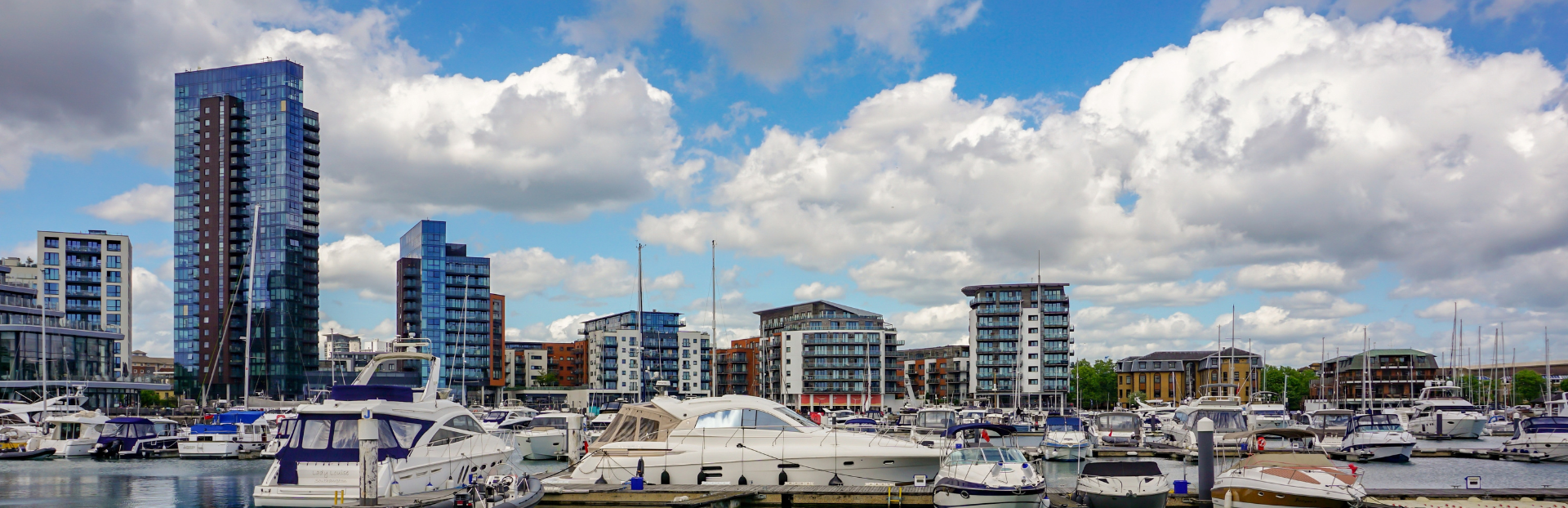
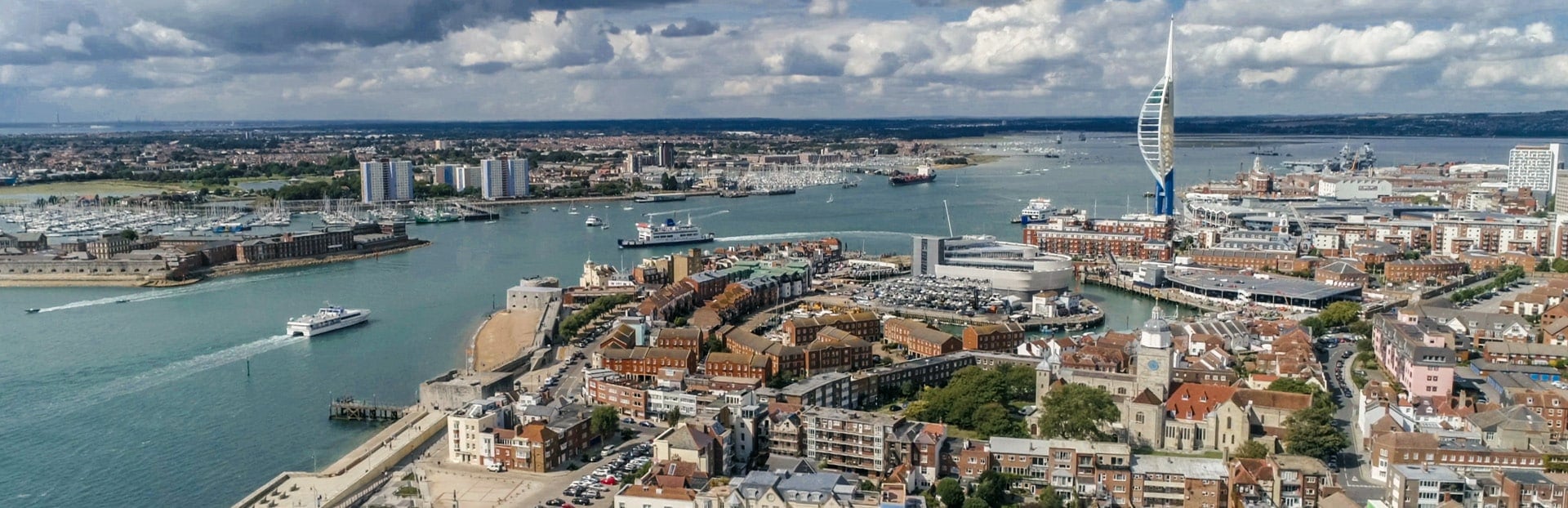
Southampton and Portsmouth are the yield engine of the county. Both are dense, urban, working port cities with big student populations and naval and maritime economies, and both price well below the Hampshire average because flats and terraces make up so much of the stock. Southampton's mean asking price is £260,743 and Portsmouth's is £288,764, against a county average sold price of £362,547. Portsmouth is one of the most densely built cities in the country, sitting largely on Portsea Island, which keeps a permanent squeeze on land and supply. Southampton tops the county yield table at 7.7% and Portsmouth follows at 6.7%. This is the part of Hampshire that competes on rental income rather than on price tags. Fuller numbers are in the Southampton buy-to-let guide and the Portsmouth buy-to-let guide.
The market and commuter towns: Winchester and Basingstoke
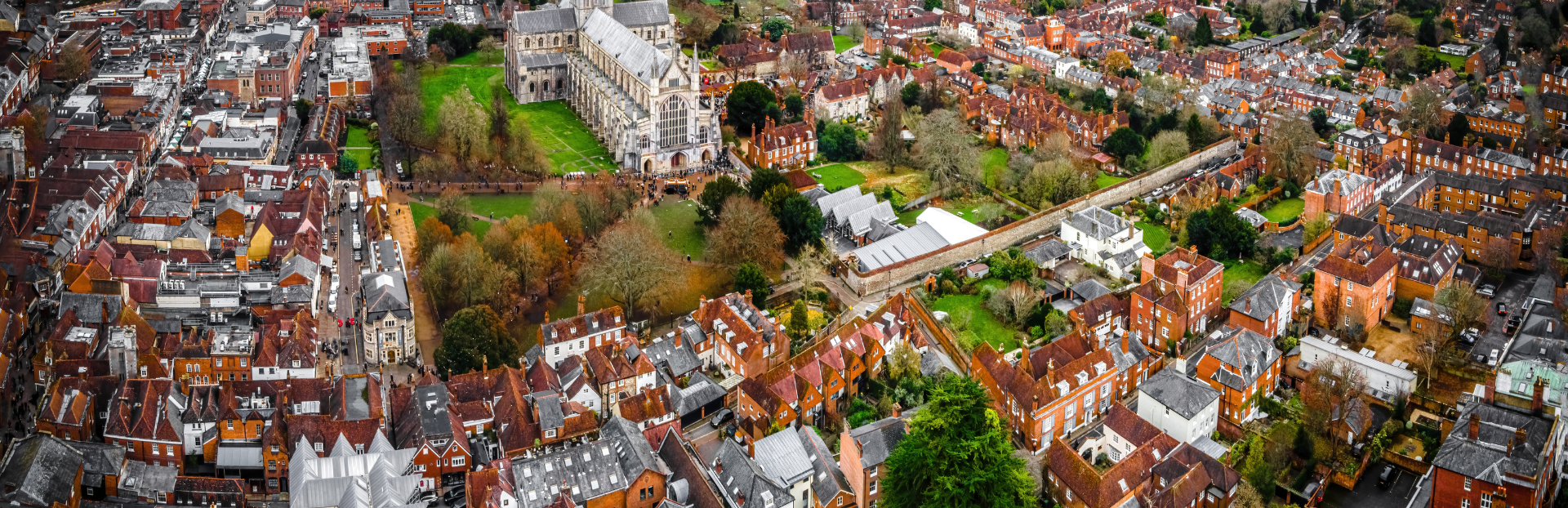
Winchester is the county town and Hampshire's most expensive market, with a mean asking price of £550,646 and a 4.5% top gross yield. It is a cathedral city with fast Waterloo trains, an affluent buyer base and tightly held stock, so it behaves like a capital-value market rather than a yield one. Basingstoke sits on the M3 and the Waterloo line too, with a mean asking price of £502,787 and a 5.6% yield. It is a bigger commercial and jobs town than its reputation suggests, and it prices a step below Winchester while still sitting well above the coastal cities. Between them these two carry the higher-priced, lower-yield half of the county. The detail is in the Winchester buy-to-let guide and the Basingstoke buy-to-let guide.
Hampshire's student and HMO market
Hampshire has three universities, and the student market is a big part of why the coastal cities yield what they do. The University of Southampton is a Russell Group institution with more than 26,000 students, and its main campus sits in the SO17 postcode that tops the county yield table. That is not a coincidence: student-let demand around a campus is what pushes gross yields into the 7% to 8% range in that outcode. The University of Portsmouth anchors a similar student rental market in the PO1 and PO4 postcodes, both of which run gross yields in the mid-6% to 7% range on asking prices around £265,000 to £277,000. The University of Winchester is smaller and sits in a far more expensive market, so its student demand feeds a rental sector rather than pushing headline yields the way the two coastal cities do.
The pattern is worth holding onto: in Hampshire the highest yields sit where the universities and the port economies overlap with cheaper flat-and-terrace stock. Anyone looking at an HMO or student let will find the numbers stack up in Southampton and Portsmouth in a way they simply do not in Winchester.
What a Hampshire buy-to-let deposit costs
A 30% buy-to-let deposit on the county-average Hampshire home of £362,547 is £108,764. But the average hides a big spread by property type, and the deposit you actually need depends on which type you are buying. Here is 30% of each Hampshire type average from the latest Land Registry data.
| Property type | Average Hampshire price | 30% deposit |
|---|---|---|
| Flat | £183,063 | £54,919 |
| Terraced | £301,219 | £90,366 |
| Semi-detached | £378,658 | £113,597 |
| Detached | £621,414 | £186,424 |
The gap from a flat to a detached house is the story: £54,919 against £186,424, a difference of more than £131,000 in deposit alone. That is why the same county can suit a first buy-to-let buyer working in flats in Southampton and a much larger investor in detached property in Winchester, and why the county average is close to meaningless on its own. Pick the type first, then the town.
How to invest in Hampshire
Buying an additional property in Hampshire means paying the buy-to-let stamp duty surcharge on top of the standard rates. On the county-average home the bill runs into five figures before you have spent a penny on the property itself, and it climbs steeply on the detached and Winchester end of the market. The stamp duty calculator will give you the figure for a specific purchase price.
If you are weighing Hampshire against the rest of the country, the best buy-to-let locations across the UK hub sets the county's yields in national context. When you are ready to move, we introduce investors to genuine deals rather than open-market listings. You can see current investment property opportunities, browse buy-to-let deals for sale, or look specifically at property below market value. Hampshire also sits alongside the wider region, so investors comparing counties often look at Surrey and Berkshire on its northern border.

Frequently Asked Questions
What is the average property price in Hampshire?
The average home in Hampshire sold for £362,547 in March 2026, according to Land Registry data. That is about 25% above the England average of £289,946. Prices range widely by area and type, from an average flat at £183,063 to an average detached house at £621,414.
Which area of Hampshire has the highest rental yields?
Southampton tops the county at a 7.7% top gross yield, followed by Portsmouth at 6.7%. The single highest-yielding postcode is SO17 around the University of Southampton, at 7.7% on an asking price of around £243,000. The market towns are lower: Basingstoke sits at 5.6% and Winchester at 4.5%.
Why are Southampton and Portsmouth cheaper than the rest of Hampshire?
Both are dense urban port cities where flats and terraces make up much of the housing stock, and those types price well below the detached-heavy county average. Southampton's mean asking price is £260,743 and Portsmouth's is £288,764, against a county average sold price of £362,547. The lower prices and strong student and rental demand are what push their yields to the top of the table.
How has the Hampshire property market performed over time?
The county average has risen 443% since January 1995, from £66,767 to £362,547. It peaked before the financial crisis at £234,591 in November 2007, fell to £190,117 by April 2009, then recovered to an all-time high of £374,131 in September 2022. Since that high prices have eased back about 3%, and the last five years show growth of 12.8%.
How much deposit do I need for a Hampshire buy-to-let?
A 30% deposit on the county-average home of £362,547 is £108,764, before stamp duty and costs. It varies a lot by type: 30% of an average flat is £54,919, while 30% of an average detached house is £186,424. The deposit for the specific property type you are targeting is the figure that matters, not the county average.
Is Hampshire a good place for student property investment?
Hampshire has three universities, and the strongest student rental numbers sit around the University of Southampton in SO17 and the University of Portsmouth in PO1 and PO4, where gross yields run in the 6.5% to 7.7% range. Winchester's university sits in a much more expensive market, so its yields stay lower. The student and port economies are the main reason the two coastal cities yield more than the county's market towns.
Ready to buy property?
Access off-market investment properties with an average 8%+ annual gross yield (beating the UK's typical 3-5%).
Get property alerts