
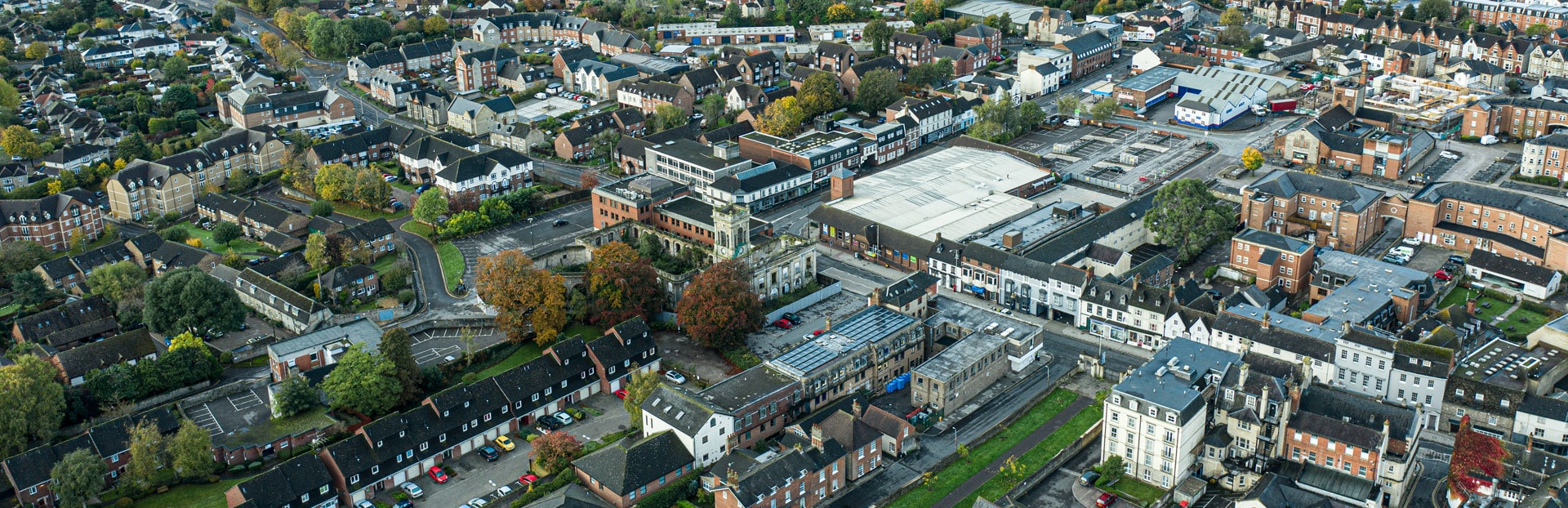
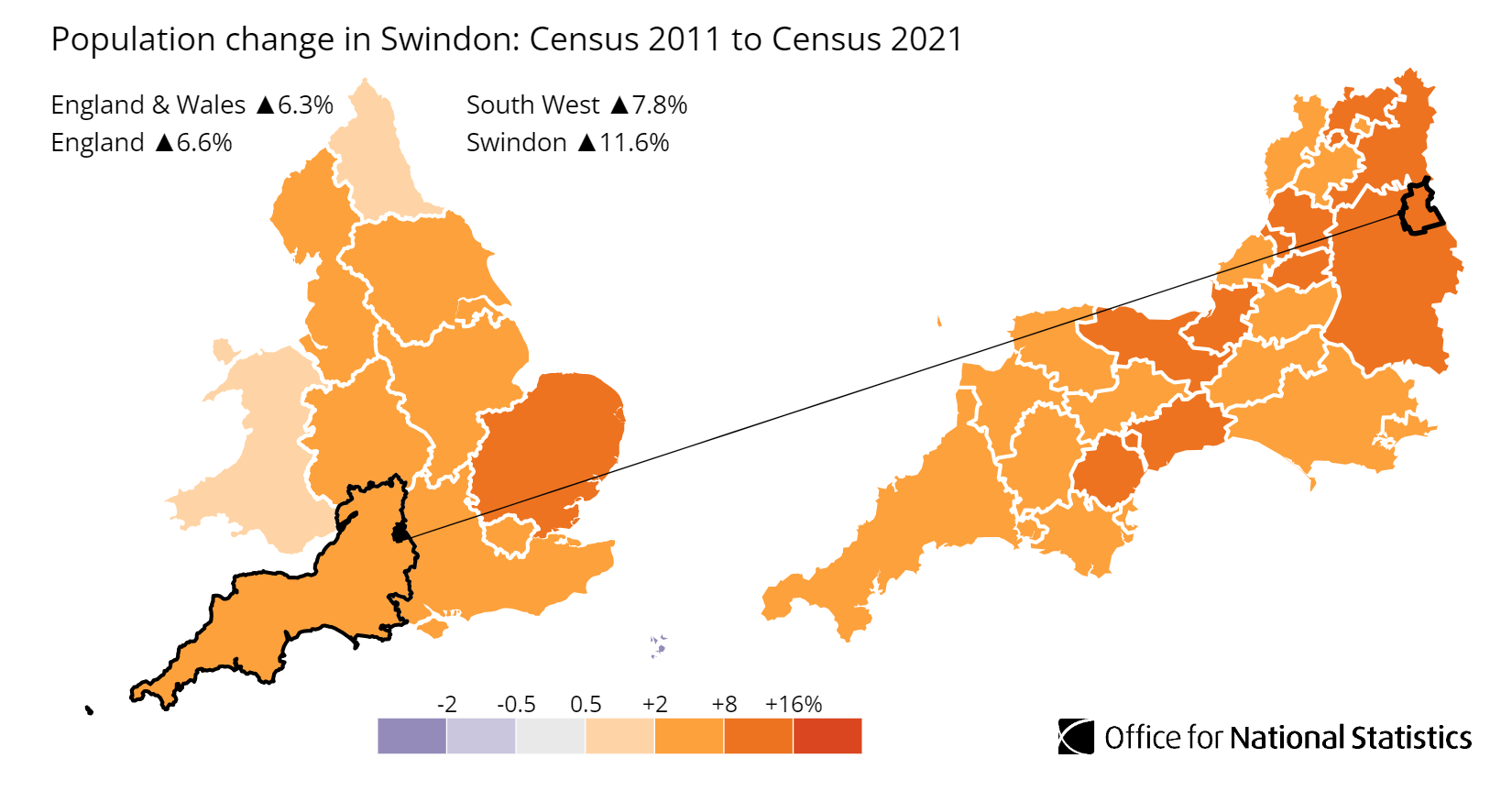
Swindon sits in Wiltshire, in the South West of England. Average sold prices across Swindon sit at £257,024 on the HM Land Registry House Price Index, 11.4% below the England average of £289,946 and 14.6% below the South West regional average of £300,849. That makes Swindon one of the cheaper ways onto the M4 corridor, a town that sits between Bristol 40 miles west and Reading 30 miles east yet prices well under both. The borough's population grew 11.59% between the 2011 and 2021 censuses, from 209,156 to 233,407 residents.
Swindon's discount runs deepest on the stock that interests buy-to-let buyers. Terraced homes are 6.1% below the England figure and flats 30.3% below, while detached houses, the part of the market that competes with rural Wiltshire, sit only 3.0% under. The borough median wage of £748.10 a week is above the South West's £722.00 and close to the Great Britain figure of £752.40, so local tenants are in steady work rather than stretched. For investors, the eight postcodes split into a cheaper, higher-yielding core around the town (SN1 and SN2) and a pricier rural ring (SN4, SN6, SN26) where the yields compress.
This guide covers the unitary authority of Swindon (ONS code E06000030) across postcodes SN1, SN2, SN3, SN4, SN5, SN6, SN25, and SN26. Swindon sits in the South West region, on the M4 between London 80 miles east and Bristol 40 miles west, with trains to London Paddington in under an hour. The postcodes reach beyond the town into Royal Wootton Bassett (SN4), Highworth (SN6), and Blunsdon (SN26). The wider Wiltshire buy-to-let market includes Salisbury to the south.
Article updated: July 2026
Why Invest in Swindon?
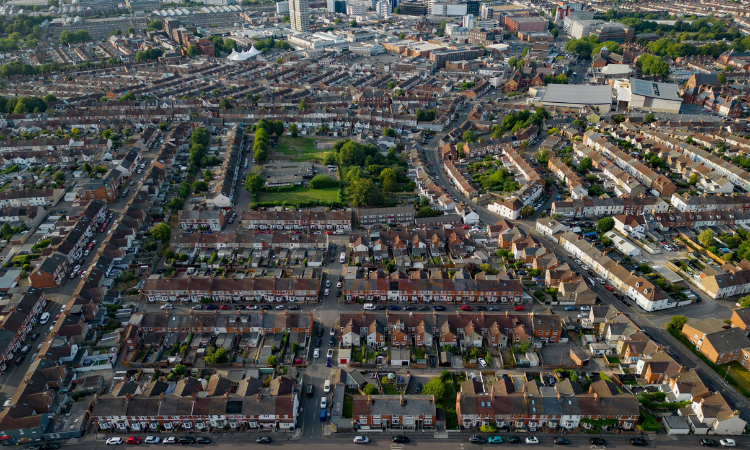
Swindon's population grew 11.59% between the 2011 and 2021 censuses, from 209,156 to 233,407 residents, almost double the England and Wales average of 6.3%. That pace owes a lot to the town's position on the M4, an hour from London by train and within reach of both the Thames Valley and Bristol jobs markets. Swindon spent the twentieth century as a railway and manufacturing town, and the closure of the Honda plant in 2021 closed that chapter. What is going up in its place is logistics, data centres, and professional services.
The local employment rate of 77.0% is above both the South West average and the Great Britain figure of 75.6%, with unemployment at 3.9%. Major employers include Nationwide Building Society, headquartered in the town, alongside Intel, Zurich, and the UK Research and Innovation (UKRI) campus. Swindon has no university of its own, so the student HMO market is thin. New College Swindon supports some shared housing near the centre, but this is a professional renters' market rather than a student one.
Median gross annual earnings in Swindon are £38,900, above the South West regional median of £37,544 and just below the Great Britain median of £39,125. Wages at that level give tenants the headroom to absorb the rents recorded across the borough, and a broad employment base spread across finance, logistics, technology, and public administration spreads the risk of any single sector contracting. That combination of jobs and earnings sits behind the steady tenant demand seen in the SN1 and SN2 postcodes closest to the town centre.
Swindon Economic Summary
- Population (Swindon): 233,407 (2021 Census). Growth of 11.59% from 2011.
- Median annual salary: £38,900 (local), £37,544 (South West), £39,125 (Great Britain)
- Employment rate: 77.0% (local), 75.6% (Great Britain)
- Unemployment rate: 3.9% (local)
- Key employment sectors: Financial services, logistics, technology, public administration, advanced manufacturing
Source: ONS Census 2021, Nomis Labour Market Profile (ASHE 2025)
Regeneration and Investment in Swindon
The 370-acre former Honda site is being rebuilt as a £918 million logistics and data centre park, the largest single investment in Swindon's recent history. When Honda left in 2021 it took a generation of manufacturing jobs with it. The schemes now under way, on that site and in the town centre, point the local economy towards distribution, technology, and a denser, more residential core.
- Panattoni Park, Former Honda Site (Under construction, £918 million): A 7.2 million sq ft logistics, manufacturing, and data centre park across 370 acres near Junction 15 of the M4, built as around 11 net-zero-carbon buildings and projected to create up to 11,000 on-site jobs. The first units are complete and the largest, a 915,000 sq ft building, is under construction. Updates at Swindon Borough Council.
- Kimmerfields Regeneration (Under construction, £100 million+): A 20-acre brownfield town centre scheme delivering 250 new homes, 200,000 sq ft of commercial space, a 1,200-seat cultural venue, and new public green space. The council has put £16.5 million into site preparation, including £7.5 million of government funding. Updates at Swindon Borough Council Planning.
- Swindon Knowledge Central, Railway Quarter (Planning / early stage): Over 100 acres of brownfield land beside the railway station earmarked for a mixed-use commercial, educational, and residential district, with partners including UKRI, Network Rail, and the Universities of Oxford and Bath. Updates at Swindon Borough Council.
Source: Office for National Statistics - Population for Swindon
Swindon Property Market Analysis
Average property prices in Swindon have risen 392.7% since January 1995, from £52,168 to £257,024. The sections below trace that climb cycle by cycle, then drill into current postcode-level data for sold prices, price per square foot, asking prices, growth trends, and monthly transaction volumes.
When was the last house price crash in Swindon?
Swindon is a unitary authority, so all sold prices from HM Land Registry are recorded at borough level. The Land Registry House Price Index tracks average prices from January 1995 to March 2026, covering 31 years of market cycles.
The 1995 to 2007 boom: Swindon started at £52,168 in January 1995. By December 2000 prices had reached £91,166, a 74.8% rise in six years on the back of cheap credit and the late-1990s housing surge. The strongest single reading in the whole series came in this run, an annual rise of 29.6% in April 2000. Growth carried on through the early 2000s, with the market peaking at £170,121 in September 2007.
2008 to 2009, the financial crisis: Prices fell from the September 2007 peak of £170,121 to a trough of £128,816 in April 2009, a drop of 24.3% in 19 months. The worst year-on-year reading was -20.1% in February 2009. That was a steeper fall than both England, down 18.2% from £183,883 to £150,438, and the South West region. Swindon's heavy exposure to manufacturing and its large stock of newer estate housing left it with less of a buffer than higher-value markets had.
The 2010 to 2013 stagnation: Prices bounced off the April 2009 trough but went nowhere for years. The December 2010 average was £146,126 and by December 2012 it had slipped to £145,049 before edging up to £152,776 by December 2013. Swindon spent the best part of four years stuck in a band below £155,000, unable to clear the pre-crash high.
Recovery, 2014 to 2016: Help to Buy and easier mortgage lending pulled the market back up. Prices climbed past the September 2007 peak of £170,121 in June 2015, at £172,677. It had taken nearly eight years to recover the lost ground.
The 2017 to 2019 pre-pandemic growth: Steady single-digit growth carried prices to £209,436 by December 2019. The sub-hour train to London Paddington kept Swindon on the radar for buyers priced out of the Thames Valley, and demand held without overheating.
2020 to 2022, the pandemic surge: The stamp duty holiday and the shift to remote working pushed prices from £217,476 in December 2020 to £232,400 by December 2021 and on to £257,726 by December 2022. Swindon's affordability and its road and rail links made it a natural draw for buyers leaving more expensive parts of the South.
2023 to present: Higher mortgage rates cooled the market. Swindon reached its all-time high of £262,693 in February 2023, then eased back. Prices drifted to £254,785 by December 2023 and have hovered in the high £250,000s since, reaching £257,024 at the latest reading in March 2026. The current average is 2.2% below the February 2023 peak, so Swindon is one of the markets where prices are sitting just under their high-water mark rather than pushing on to new records.
Long-term growth summary:
- 5 years (March 2021 to March 2026): 16.2% growth (£221,282 to £257,024)
- 10 years (March 2016 to March 2026): 36.0% growth (£189,020 to £257,024)
- 15 years (March 2011 to March 2026): 78.5% growth (£144,005 to £257,024)
- 20 years (March 2006 to March 2026): 77.1% growth (£145,101 to £257,024)
- 30 years (January 1995 to March 2026): 392.7% growth (£52,168 to £257,024)
The 15-year and 20-year figures are almost the same, 78.5% against 77.1%, because the March 2006 and March 2011 averages were within £1,100 of each other: the crash and the stagnation that followed wiped out five years of gains in the middle. An investor who bought at the February 2023 peak would be down 2.2% on the Land Registry average today, while one who bought at the September 2007 pre-crash high would be up 51.1%. Over the full 31 years, the 392.7% return is a strong long-term record despite the depth of the 2009 fall.
- All property types
- Detached
- Semi-detached
- Terraced
- Flats
- All property types
- Detached
- Semi-detached
- Terraced
- Flats
Sold House Prices in Swindon
The average sold price across all property types in Swindon is £257,024, which is 11.4% below the England average of £289,946 as of March 2026. The discount is not spread evenly. Flats sit 30.3% below the England figure while detached houses are only 3.0% under, which tells you where Swindon's affordability really lives: in the smaller, town-centre stock rather than the rural detached homes that price alongside the wider Wiltshire commuter belt.
| Property Type | Swindon Average | England Average | Difference |
|---|---|---|---|
| Detached houses | £456,588 | £470,492 | -3.0% |
| Semi-detached houses | £284,751 | £288,185 | -1.2% |
| Terraced houses | £228,894 | £243,788 | -6.1% |
| Flats and maisonettes | £149,613 | £214,563 | -30.3% |
| All property types | £257,024 | £289,946 | -11.4% |
Detached houses at £456,588 carry the smallest gap to England, just 3.0% below the £470,492 national figure. Swindon's detached stock is concentrated in the rural-edge postcodes SN5 (West Swindon), SN6 (Highworth), and the village of Blunsdon in SN26, where it competes for the same buyers as the rest of rural Wiltshire. Annual growth of 0.9% points to a steady market rather than a rising one.
Semi-detached houses at £284,751 are only 1.2% below England's £288,185, the closest of any type to the national average. This is the backbone of Swindon's family market, found in volume across the post-war estates of SN3 (Stratton St Margaret, Park South) and SN25 (North Swindon, Haydon Wick). Annual growth of 2.2% is the strongest of the four types.
Terraced houses at £228,894 are 6.1% below England's £243,788. The terraced stock is most concentrated in SN1 (Town Centre, Old Town) and SN2 (Gorse Hill, Pinehurst), the older railway-era streets close to the centre, and it is the type that carries the borough's highest yields. Annual growth of 1.3% sits in the middle of the pack.
Flats and maisonettes at £149,613 show the deepest discount at 30.3% below England's £214,563. Swindon is not a flat-heavy town, and it has none of the institutional city-centre apartment blocks that lift flat values in Bristol or Reading, so prices here reflect local demand alone. An annual fall of 3.7% confirms a soft market for this type.
Price Per Square Foot in Swindon
Just £82 per square foot separates Swindon's cheapest postcode from its dearest, with SN1 at £269 and SN6 at £351. Measuring by the square foot strips out how big the homes are and leaves a cleaner read on what each location commands. SN6 (Highworth, Shrivenham) tops the table, reflecting the larger period and village stock in the eastern parishes.
| Rank | Area | Price Per Sq Ft |
|---|---|---|
| 1 | SN1 (Town Centre, Old Town) | £269 |
| 2 | SN2 (Gorse Hill, Pinehurst) | £279 |
| 3 | SN25 (North Swindon, Haydon Wick) | £308 |
| 4 | SN3 (Stratton St Margaret, Park South) | £316 |
| 5 | SN5 (West Swindon, Toothill) | £333 |
| 6 | SN4 (Royal Wootton Bassett, Wroughton) | £334 |
| 7 | SN26 (Blunsdon) | £342 |
| 8 | SN6 (Highworth, Shrivenham) | £351 |
SN1 at £269 per square foot is the cheapest bricks-and-mortar in the borough. The town centre and Old Town mix older terraces and conversions with purpose-built flats, and across 696 transactions analysed that stock sets the lowest space cost in Swindon. For an investor, the cheapest space and the highest yields sit in the same place.
SN6 at £351 per square foot tops the table, 30.5% above SN1. Highworth and Shrivenham are the rural eastern parishes, where larger detached and stone-built village homes carry a premium for space and setting. The 445 transactions analysed there confirm consistently higher per-foot prices than the urban core, and the yields, as the rental section shows, run the other way.
For Sale Asking Prices in Swindon
SN1 at £242,917 and SN26 at £556,198 sit 129% apart, the widest asking-price gap in the borough. That spread mirrors the rural-versus-urban split: the town-centre postcodes anchor the bottom and the village markets the top. The mean asking price across all eight Swindon postcodes is £349,254.
| Rank | Area | Asking Price |
|---|---|---|
| 1 | SN1 (Town Centre, Old Town) | £242,917 |
| 2 | SN2 (Gorse Hill, Pinehurst) | £249,403 |
| 3 | SN25 (North Swindon, Haydon Wick) | £297,132 |
| 4 | SN5 (West Swindon, Toothill) | £303,632 |
| 5 | SN3 (Stratton St Margaret, Park South) | £312,857 |
| 6 | SN4 (Royal Wootton Bassett, Wroughton) | £374,154 |
| 7 | SN6 (Highworth, Shrivenham) | £457,739 |
| 8 | SN26 (Blunsdon) | £556,198 |
SN1 at £242,917 and SN2 at £249,403 are the only two postcodes where the asking price falls below the borough's £257,024 Land Registry average. They are also the only pair under £250,000, and they carry the two highest yields. For an investor working to a fixed budget, the town-centre postcodes offer the most property for the money and the lowest barrier to entry in Swindon.
SN26 at £556,198 is the outlier at the top, more than double SN1's asking price. Blunsdon is a small village postcode with the smallest market in the borough, just three sales a month, so its average leans heavily on a handful of large detached homes. It is owner-occupier territory rather than a buy-to-let market, a reading the rental data in the sections below confirms with no reliable rent figure at all.
House Price Growth in Swindon
Every Swindon postcode posted positive five-year growth, but only four held positive readings across all three timeframes, led by SN2 at 26.6% over five years. The five-year picture is uniformly green, yet the one-year and three-year columns separate the postcodes that are still rising from those rolling over after the pandemic surge. SN2 (Gorse Hill, Pinehurst) is the standout, positive in every window.
| Area | 1 Year | 3 Years | 5 Years |
|---|---|---|---|
| SN2 (Gorse Hill, Pinehurst) | 2.6% | 6.6% | 26.6% |
| SN5 (West Swindon, Toothill) | 0.8% | 3.8% | 22.8% |
| SN3 (Stratton St Margaret, Park South) | -0.7% | 3.9% | 17.2% |
| SN26 (Blunsdon) | 3.4% | 2.4% | 14.8% |
| SN1 (Town Centre, Old Town) | -6.1% | 5.5% | 12.4% |
| SN4 (Royal Wootton Bassett, Wroughton) | -4.5% | -3.0% | 11.9% |
| SN25 (North Swindon, Haydon Wick) | 0.5% | 6.0% | 10.1% |
| SN6 (Highworth, Shrivenham) | 1.4% | -5.6% | 4.2% |
SN2 at 26.6% five-year growth leads the borough and is positive in all three windows, up 2.6% over a year and 6.6% over three. Gorse Hill and Pinehurst sit just north of the town centre, close to the regeneration sites and within easy reach of the station, and that location has supported steady demand. It is the one postcode in Swindon where the strongest growth and the highest yield land together.
SN5 at 22.8% over five years takes second place, with West Swindon and Toothill holding positive ground across all three timeframes, including 0.8% over the past year. SN1 has the weakest one-year reading at -6.1% despite a solid 5.5% over three years and 12.4% over five, a recent softening in the town-centre stock rather than a longer trend. SN6 is the only postcode with single-digit five-year growth, at 4.2%, and a negative three-year figure of -5.6%, the soft end of the rural market.
Monthly Property Sales in Swindon
Transaction volumes range from 3 sales a month in SN26 to 48 in SN25, with the busiest markets sitting in the larger residential postcodes. Even the quieter urban postcodes turn over steadily, while the rural ones move slowly. Turnover rates, the share of stock that changes hands each year, run from 7% in SN26 to 19% in SN25.
| Area | Sales Per Month | Turnover | Asking Price |
|---|---|---|---|
| SN25 (North Swindon, Haydon Wick) | 48 | 19% | £297,132 |
| SN3 (Stratton St Margaret, Park South) | 46 | 16% | £312,857 |
| SN1 (Town Centre, Old Town) | 39 | 12% | £242,917 |
| SN2 (Gorse Hill, Pinehurst) | 32 | 14% | £249,403 |
| SN4 (Royal Wootton Bassett, Wroughton) | 26 | 15% | £374,154 |
| SN5 (West Swindon, Toothill) | 25 | 13% | £303,632 |
| SN6 (Highworth, Shrivenham) | 23 | 10% | £457,739 |
| SN26 (Blunsdon) | 3 | 7% | £556,198 |
SN25 records the most sales at 48 a month and the highest turnover at 19%. North Swindon and Haydon Wick are the modern family estates on the northern edge of the town, where a deep pool of similar mid-priced homes keeps the market liquid. For a buy-to-let investor, a busy market means an easier exit when the time comes to sell.
SN26 sits at the other end with just 3 sales a month and 7% turnover. Blunsdon's small village stock barely trades, so a buyer there should expect to wait on both the way in and the way out. SN1 and SN3 carry the highest absolute volumes among the postcodes investors are most likely to target, at 39 and 46 sales a month, which keeps them practical to buy into and sell out of.
How Long Properties Take to Sell in Swindon
Selling speed splits the borough sharply: SN25 (North Swindon, Haydon Wick) clears fastest at about 169 days, while SN26 (Blunsdon) sits for roughly 507 days, three times as long. Days on market is the typical time a home is listed before it sells, and months of unsold stock shows how much for-sale supply is queued at the current rate of sales. That gap between SN25 and SN26 is a real holding cost an investor carries at the end of the hold.
| Area | Avg Days to Sell | Months of Unsold Stock | Market |
|---|---|---|---|
| SN25 (North Swindon, Haydon Wick) | 169 | 5.6 | Seller's market |
| SN3 (Stratton St Margaret, Park South) | 190 | 6.3 | Balanced market |
| SN4 (Royal Wootton Bassett, Wroughton) | 190 | 6.3 | Balanced market |
| SN2 (Gorse Hill, Pinehurst) | 217 | 7.1 | Balanced market |
| SN5 (West Swindon, Toothill) | 217 | 7.1 | Balanced market |
| SN1 (Town Centre, Old Town) | 254 | 8.3 | Balanced market |
| SN6 (Highworth, Shrivenham) | 304 | 10.0 | Balanced market |
| SN26 (Blunsdon) | 507 | 16.7 | Buyer's market |
SN25's 5.6 months of unsold stock is the only seller's market in Swindon, and it pairs that quick exit with the busiest sales volume in the borough. A property there is far easier to move on than one in SN6 or SN26, where 10 and 16.7 months of stock mean a sale can take the best part of a year or more. The town-centre SN1, at 8.3 months and 254 days, sits in the slower half despite its low asking price, so the cheapest way in is not the quickest way out.
What Type of Property Can You Buy in Swindon?
The housing mix swings from terrace-and-flat town-centre postcodes to detached-dominated villages, from 34.6% terraced in SN1 to 65.6% detached in SN5. That spread shapes which strategy fits each postcode. The figures below come from 2021 Census records for each outcode.
| Area | Detached | Semi-detached | Terraced | Flats |
|---|---|---|---|---|
| SN1 (Town Centre, Old Town) | 15.1% | 29.2% | 34.6% | 21.0% |
| SN2 (Gorse Hill, Pinehurst) | 15.6% | 36.3% | 30.2% | 18.0% |
| SN3 (Stratton St Margaret, Park South) | 41.7% | 32.8% | 15.0% | 10.2% |
| SN4 (Royal Wootton Bassett, Wroughton) | 45.8% | 29.0% | 13.5% | 6.6% |
| SN5 (West Swindon, Toothill) | 65.6% | 19.0% | 9.4% | 4.2% |
| SN6 (Highworth, Shrivenham) | 52.8% | 31.1% | 10.5% | 4.3% |
| SN25 (North Swindon, Haydon Wick) | 25.6% | 36.5% | 22.3% | 14.3% |
| SN26 (Blunsdon) | 50.7% | 35.8% | 8.4% | 4.7% |
SN1 holds the largest share of terraced houses at 34.6% and flats at 21.0%, the highest of both in the borough. That smaller-unit stock is the classic buy-to-let supply, and it lines up with SN1 carrying the lowest asking price and one of the two highest yields. Town-centre flats suit single professional lets, while the older terraces of Gorse Hill and Pinehurst in neighbouring SN2 fill out the same affordable, higher-yielding band.
SN5 is the most detached-dominated postcode at 65.6%, with the smallest flat share at 4.2%. Detached and semi-detached homes together make up more than 80% of West Swindon's stock, which fits its higher asking prices and lower yield. The housing here is weighted towards owner-occupier family homes rather than the smaller units that drive rental income.
The flats figure covers both purpose-built blocks and conversions. A small share of mobile and temporary dwellings is left out, so the rows may not add to 100%.

Swindon Rental Market Analysis
Monthly rents in Swindon run from £991 in SN1 to £1,455 in SN6, with gross rental yields from 3.8% to 5.2% across the seven postcodes that carry rental data. For investors weighing up whether buy to let is worth it in Swindon, the sections below break rents, yields, and tenant affordability down postcode by postcode. If you are thinking about how to build a property portfolio along the M4 corridor, Swindon's below-average prices and tight rental supply offer a different entry point from the pricier towns on either side. Browse current buy-to-let homes for sale across the region.
Average Rent & Gross Rental Yields in Swindon
Gross rental yields in Swindon range from 5.2% in SN2 to 3.8% in SN6. The cheaper urban postcodes deliver the best yields and the pricier rural ones the worst. SN6 charges the highest rent in the borough at £1,455 a month but ranks last on yield, because its £457,739 asking price is nearly double SN1's.
| Area | Average Monthly Rent | Asking Price | Gross Yield |
|---|---|---|---|
| SN2 (Gorse Hill, Pinehurst) | £1,076 | £249,403 | 5.2% |
| SN3 (Stratton St Margaret, Park South) | £1,315 | £312,857 | 5.0% |
| SN1 (Town Centre, Old Town) | £991 | £242,917 | 4.9% |
| SN25 (North Swindon, Haydon Wick) | £1,129 | £297,132 | 4.6% |
| SN5 (West Swindon, Toothill) | £1,098 | £303,632 | 4.3% |
| SN4 (Royal Wootton Bassett, Wroughton) | £1,295 | £374,154 | 4.2% |
| SN6 (Highworth, Shrivenham) | £1,455 | £457,739 | 3.8% |
| SN26 (Blunsdon) | Not enough data | £556,198 | Not enough data |
SN2 at 5.2% pairs a sub-£250,000 asking price with a £1,076 monthly rent to deliver the borough's best yield. A 30% deposit of £74,821 buys into the highest-yielding postcode in Swindon, and the same postcode leads on five-year growth, an unusual case where income and growth point at the same streets.
SN1 at 4.9% sits just behind on the lowest rent in the borough, £991, against the lowest asking price, £242,917. SN3 at 5.0% is the highest-rent postcode in the top group, £1,315 a month, and its yield holds up because the £312,857 asking price is still mid-range. SN6 at 3.8% anchors the bottom: the £1,455 rent is the highest anywhere in Swindon, but the asking price absorbs it, so the premium is doing more for the rent than for the return.
Gross Rental Yield by Postcode
Is Swindon Rent High?
Monthly rents in Swindon take between 30.6% and 44.9% of the local median gross monthly salary. The widely cited line for affordability is 30% of gross income, and only SN1 sits right on it, with the rest of the borough above. The spread is wide because the rural postcodes pair high rents with the same borough-wide median salary that the cheaper urban ones do.
The median gross weekly salary in Swindon is £748.10, which works out at £3,242 a month or £38,900 a year. That is above the South West regional median of £722.00 a week and just below the Great Britain median of £752.40. Data from the Nomis Labour Market Profile (ASHE 2025).
| Rank | Area | Rent as % of Income |
|---|---|---|
| 1 | SN6 (Highworth, Shrivenham) | 44.9% |
| 2 | SN3 (Stratton St Margaret, Park South) | 40.6% |
| 3 | SN4 (Royal Wootton Bassett, Wroughton) | 40.0% |
| 4 | SN25 (North Swindon, Haydon Wick) | 34.8% |
| 5 | SN5 (West Swindon, Toothill) | 33.9% |
| 6 | SN2 (Gorse Hill, Pinehurst) | 33.2% |
| 7 | SN1 (Town Centre, Old Town) | 30.6% |
| - | SN26 (Blunsdon) | Not enough data |
SN1 at 30.6% is the most affordable postcode for tenants, with a £991 rent against a £3,242 monthly salary leaving room to spare. That matters for a landlord because rents that sit inside the affordability line tend to come with fewer arrears and longer tenancies, since tenants who are not stretched stay put. SN2, the highest-yielding postcode, is close behind at 33.2%.
SN6 at 44.9% is the least affordable, but the context is rural Highworth and Shrivenham, where the £1,455 rent is paid by households earning well above the borough median rather than by single earners on the median salary. The benchmark uses one consistent local figure across every postcode, so it reads high wherever rents run ahead of the town-wide wage.
How Big Is Swindon's Private Rented Sector?
The private rented sector is deepest in SN1 and SN2, where it accounts for 21.3% and 19.3% of households, and thinnest in SN26 at 4.4%. The share of homes already let privately points to the size of the established tenant pool and the depth of the local lettings market. The table below shows household tenure by postcode.
| Area | Owned Outright | Owned with Mortgage | Private Rented | Social Rented |
|---|---|---|---|---|
| SN1 (Town Centre, Old Town) | 28.9% | 32.2% | 21.3% | 16.5% |
| SN2 (Gorse Hill, Pinehurst) | 31.3% | 31.2% | 19.3% | 17.2% |
| SN6 (Highworth, Shrivenham) | 39.3% | 33.3% | 17.3% | 8.6% |
| SN4 (Royal Wootton Bassett, Wroughton) | 40.4% | 33.2% | 16.8% | 8.7% |
| SN25 (North Swindon, Haydon Wick) | 30.2% | 39.0% | 13.9% | 15.1% |
| SN3 (Stratton St Margaret, Park South) | 38.8% | 35.1% | 11.7% | 12.8% |
| SN5 (West Swindon, Toothill) | 43.9% | 37.6% | 11.7% | 6.1% |
| SN26 (Blunsdon) | 29.3% | 45.9% | 4.4% | 13.2% |
SN1 and SN2 have the largest private rented sectors in Swindon, at 21.3% and 19.3% of households, and they are the same two postcodes that carry the lowest prices and the highest yields. A deep existing rented sector points to an active lettings market and a wide pool of tenants already in place, a separate signal from yield that says the demand is proven rather than hoped-for. SN26 sits at the other end at 4.4%, the rural village market where almost everyone owns and very little is let.
Rental supply across Swindon is tight. SN1 has the most homes advertised to rent of any postcode, and even there only around 138 were on the market against about 91 lets a month, roughly 1.5 months of supply taking about 46 days to let. SN25 is tighter still, at around 1.1 months of stock and 35 days to let. Every postcode with enough listings to read currently favours the landlord, which is a different balance from the for-sale market.
Local Housing Allowance Rates in Swindon
All eight Swindon postcodes fall within the Swindon Broad Rental Market Area, where Local Housing Allowance runs from £103.87 a week for a shared room to £299.18 a week for a four-bedroom home. Local Housing Allowance sets the most a tenant on housing support can claim towards rent, so for that part of the market it works as an effective floor. The rates below apply across the whole borough. To check the current figure for a specific address, use the government's official Local Housing Allowance calculator.
| Property Size | Weekly LHA Rate | Monthly Equivalent |
|---|---|---|
| Shared accommodation | £103.87 | £450 |
| 1 bedroom | £155.34 | £673 |
| 2 bedrooms | £180.66 | £783 |
| 3 bedrooms | £218.63 | £947 |
| 4 bedrooms | £299.18 | £1,296 |
The two-bedroom LHA rate of £180.66 a week comes to about £783 a month, below the £991 to £1,455 open-market rents recorded across Swindon's postcodes. A benefit-backed tenancy at the LHA rate therefore sits under the open market, and the stock that fits within these figures is concentrated in SN1 and SN2, where both asking prices and rents are lowest. Because the rates cover the whole Swindon market area, they are identical in every postcode, and they are reviewed each April.
Buy-to-Let Considerations
Are House Prices High in Swindon? Price-to-Earnings Ratios
Buying in Swindon takes between 6.2 and 14.3 times the median annual salary, depending on the postcode. This is based on the Nomis Labour Market Profile for Swindon, which puts the median gross annual income for residents at £38,900.
The national benchmark for price-to-earnings is 7.4x, England's £289,946 average sold price divided by the Great Britain median annual salary of £39,125. Two of Swindon's eight postcodes, SN1 and SN2, sit below that benchmark, meaning they are more affordable against local incomes than the England average is against national incomes.
| Rank | Area | Price-to-Earnings Ratio |
|---|---|---|
| 1 | SN1 (Town Centre, Old Town) | 6.2x |
| 2 | SN2 (Gorse Hill, Pinehurst) | 6.4x |
| 3 | SN25 (North Swindon, Haydon Wick) | 7.6x |
| 4 | SN5 (West Swindon, Toothill) | 7.8x |
| 5 | SN3 (Stratton St Margaret, Park South) | 8.0x |
| 6 | SN4 (Royal Wootton Bassett, Wroughton) | 9.6x |
| 7 | SN6 (Highworth, Shrivenham) | 11.8x |
| 8 | SN26 (Blunsdon) | 14.3x |
SN1 at 6.2x and SN2 at 6.4x are both below the national 7.4x benchmark, the most affordable entry points in Swindon against local earnings. Property at roughly six times income is competitive with many higher-yielding markets elsewhere, but it sits in a town with a 77.0% employment rate and a broad jobs base behind it.
SN26 at 14.3x and SN6 at 11.8x are well above the benchmark, firmly in premium rural territory. Buyers in Blunsdon and Highworth are typically dual-income households or those trading down from pricier parts of the South, and for an investor those elevated ratios compress the yield and stretch the payback period.
Deposit Requirements in Swindon
A 30% deposit on a buy-to-let property in Swindon ranges from £72,875 in SN1 to £166,859 in SN26. The gap between the cheapest and dearest deposit is £93,984, more than a full second deposit in SN1. For an investor weighing Swindon against the rest of the M4 corridor, these requirements sit below Reading and Bristol but above lower-priced towns further from the motorway.
Beyond the deposit, the stamp duty calculation and other running costs of buy-to-let add to the total capital required.
| Rank | Area | 30% Deposit Required |
|---|---|---|
| 1 | SN1 (Town Centre, Old Town) | £72,875 |
| 2 | SN2 (Gorse Hill, Pinehurst) | £74,821 |
| 3 | SN25 (North Swindon, Haydon Wick) | £89,140 |
| 4 | SN5 (West Swindon, Toothill) | £91,090 |
| 5 | SN3 (Stratton St Margaret, Park South) | £93,857 |
| 6 | SN4 (Royal Wootton Bassett, Wroughton) | £112,246 |
| 7 | SN6 (Highworth, Shrivenham) | £137,322 |
| 8 | SN26 (Blunsdon) | £166,859 |
SN1 at a £72,875 deposit is the cheapest way into Swindon, and SN2 is barely £2,000 more at £74,821. That small step buys the borough's highest yield and its strongest five-year growth, so for an income or growth investor the two town-centre postcodes are within touching distance of each other on cost while carrying the best returns. The choice between them comes down to small differences in rent and stock rather than a meaningful gap in outlay.
At the top of the table, SN26 needs more than double SN1's deposit at £166,859, for a postcode that trades just three homes a month and produces no reliable rental figure. The deposit ladder in Swindon climbs steadily with distance from the town centre, and the returns climb the other way, so the extra capital at the rural end buys space and setting rather than yield.

What the Swindon Data Tells Buy-to-Let Investors
In Swindon the cheapest way in and the best returns sit in the same place. SN2 has the top yield at 5.2% and the strongest five-year growth at 26.6%, on an asking price of £249,403 that needs a £74,821 deposit for buying an investment property renting at £1,076 a month. SN1 next door is barely cheaper to buy at £242,917, the lowest in the borough, and yields 4.9% with the most affordable rent against local earnings at 30.6%.
SN3 (Stratton St Margaret) holds a 5.0% yield on the highest rent in the top group, £1,315 a month, and combines it with 46 sales a month, one of the busiest markets in Swindon. SN25 (North Swindon) is busier still at 48 sales a month and the only seller's market in the borough, clearing in about 169 days, though its 4.6% yield sits a step back from the leaders. These mid-range estate postcodes suit a family-let strategy with an easier exit than the urban core offers.
At the rural end, SN6 (Highworth) yields just 3.8% despite the highest rent in Swindon, and SN26 (Blunsdon) produces no reliable rental reading on three sales a month, both owner-occupier markets rather than buy-to-let ones. SN4 (Royal Wootton Bassett) earns £1,295 a month but yields 4.2% because the £374,154 asking price absorbs the rent. In a market this tight on the rental side, the value tends to sit in off-market property deals struck before a home reaches the portals.
Swindon runs no boroughwide selective licensing scheme for private landlords, though mandatory HMO licensing still applies and landlords can check the current position on the council's property licensing pages. With earnings close to the national median, a 77.0% employment rate, and a jobs base broadening into logistics and technology as the Panattoni and Kimmerfields schemes land, it reads as a steady, affordable M4-corridor market: lower headline prices than Bristol or Reading, with a tight rental supply behind the better yields.
How Swindon Compares
Swindon's mean asking price of £349,254 is the second cheapest of five M4-corridor and South West locations compared here, behind only Gloucester, yet its 5.2% top yield trails the higher-yielding cities. The comparison below places Swindon alongside four nearby markets, each with a different investor profile. The mean asking price and mean monthly rent are simple averages across all postcodes with data, and the top gross yield is the single highest postcode yield in each location.
| Location | Mean Asking Price | Mean Monthly Rent | Mean Gross Yield | Top Yield (postcode) |
|---|---|---|---|---|
| Gloucester | £299,777 | £1,194 | 4.8% | 6.1% (GL1) |
| Swindon | £349,254 | £1,194 | 4.1% | 5.2% (SN2) |
| Bristol | £373,692 | £1,655 | 5.3% | 6.9% (BS7) |
| Reading | £419,047 | £1,536 | 4.4% | 6.2% (RG1) |
| Salisbury | £437,020 | £1,304 | 3.6% | 4.6% (SP1) |
Gloucester at £299,777 is the only cheaper entry point in this group. It pairs that lower price with a higher top yield of 6.1%, on the same £1,194 mean rent as Swindon, though without Swindon's direct M4 access or the scale of the Panattoni and Kimmerfields regeneration. Swindon and Gloucester are the two affordable ends of the comparison; the rest of the table sits well above both on price.
Bristol commands the highest rents at £1,655 a month and the top yield of 6.9%, but on a mean asking price of £373,692 the deposit step over Swindon is real. Reading at £419,047 sits further east towards London with higher rents and a 6.2% top yield, while Salisbury at £437,020 has the lowest top yield in the group at 4.6%, reflecting a historic cathedral-city market with limited rental stock. For investors who want M4 access at the lowest realistic price, Swindon competes most directly with Gloucester. For a data-led comparison across every UK location, see our highest-yielding areas guide.
Frequently Asked Questions
Is Swindon a good place to live for buy-to-let tenants?
It works well, and it comes down to jobs and access. Swindon's employment rate is 77.0%, above the Great Britain figure of 75.6%, and the typical wage of £748.10 a week sits just under the national median. Tenants in steady work, earning close to the national average, are generally well placed to keep the rent paid.
It is also an easy place to rent in. The M4 runs along the southern edge and trains reach London Paddington in under an hour, so the town suits commuters and professional renters who tend to settle rather than move on every year.
What are the best areas in Swindon for property investment?
It depends on the goal, and Swindon's postcodes split cleanly. For income, SN2 (Gorse Hill, Pinehurst) leads at a 5.2% yield and SN1 (Town Centre, Old Town) follows at 4.9%, both under £250,000 to buy and both with the borough's deepest private rented sectors. SN3 (Stratton St Margaret) holds a 5.0% yield on a higher rent of £1,315 a month.
For growth with an easy exit, SN25 (North Swindon, Haydon Wick) is the only seller's market in the borough and the busiest at 48 sales a month, on a 4.6% yield. The rural postcodes SN6 (Highworth) and SN26 (Blunsdon) carry the lowest yields and slowest sales, reading more as owner-occupier markets than buy-to-let ones.
How does Swindon compare to Reading for buy-to-let?
They sit at opposite ends of the M4-corridor price ladder. Swindon's mean asking price is £349,254 against Reading's £419,047, a difference of around £70,000, and Swindon's cheapest postcode (SN1, £242,917) needs a far smaller deposit at the entry point. Reading's top yield of 6.2% beats Swindon's 5.2%, and its mean rent of £1,536 is well above Swindon's £1,194.
Reading sits closer to London and carries a larger professional workforce, which lifts both rents and prices. Swindon trades that for a lower entry cost and the regeneration story now reshaping the former Honda site. Which fits depends on whether the priority is yield and rent or the size of the capital outlay. The full Reading buy-to-let guide on this site has the postcode breakdown.
Is there demand for student accommodation in Swindon?
Not really, and that shapes the strategy. Swindon has no university of its own, so there is no large student cohort driving shared-house demand. New College Swindon and the further-education colleges generate some shared-housing need near the centre, but this is a professional renters' market, not a student one.
That points investors towards single professional and family lets rather than student HMOs. For the purpose-built end of the student market in towns that do have universities, see our guide to student property investment.
Can I find buy-to-let property under £250,000 in Swindon?
Yes, in the town-centre postcodes. SN1 (Town Centre, Old Town) averages £242,917 and SN2 (Gorse Hill, Pinehurst) £249,403, the only two Swindon postcodes with mean asking prices below £250,000, and they happen to carry the two highest yields at 4.9% and 5.2%. Below those averages, the way in is by property type: Swindon's terraced homes average £228,894 and flats £149,613 on the Land Registry index.
So sub-£250,000 stock is concentrated in SN1 and SN2, in terraces and flats rather than detached or semi-detached houses. For buyers chasing the cheapest entry of all, the below market value route can come in under those averages again.
How will the former Honda site affect Swindon property?
It is a long-term jobs story rather than an overnight price effect. Panattoni Park, the £918 million logistics and data centre scheme on the 370-acre former Honda site by Junction 15 of the M4, is projected to create up to 11,000 on-site jobs. The first buildings are complete and the largest, at 915,000 sq ft, is under construction.
The closest postcodes are SN1, SN2, and SN3. A scheme of this scale typically takes years to reach full occupancy, so the effect on the rental market builds gradually as employers move in rather than arriving all at once. Updates are posted by Swindon Borough Council.
What are the Local Housing Allowance rates in Swindon?
All eight Swindon postcodes fall in the Swindon Broad Rental Market Area, so they share one set of rates. As of June 2026, Local Housing Allowance runs at £103.87 a week for a shared room, £155.34 for a one-bed, £180.66 for two beds, £218.63 for three and £299.18 for four. That figure is the most a tenant on housing support can claim towards rent, so for that part of the market it effectively sets a floor, and the rates are reviewed each April.
What are average house prices and rents in Swindon?
Across the borough the average sold price is £257,024 on the Land Registry index, about 11.4% below the England average of £289,946 as of March 2026. By type, detached homes average £456,588, semi-detached £284,751, terraced £228,894 and flats £149,613. Asking prices by postcode run from £242,917 in SN1 (Town Centre, Old Town) up to £556,198 in SN26 (Blunsdon), with a borough-wide mean of £349,254.
Average monthly rents range from £991 in SN1 to £1,455 in SN6 (Highworth, Shrivenham), with gross yields from 3.8% to 5.2%. Through a buy-to-let lens, SN2 is the highest-yielding postcode at 5.2% while SN6 is the lowest at 3.8%.
What type of property is most common in Swindon?
It depends on the postcode. Detached houses dominate the rural and outer estates, peaking at 65.6% of stock in SN5 (West Swindon, Toothill) and 52.8% in SN6 (Highworth). The smaller homes that usually suit buy-to-let, terraces and flats, are concentrated in the town centre: SN1 (Town Centre, Old Town) holds the most terraced houses at 34.6% and the most flats at 21.0%, with SN2 close behind.
That split lines up with the returns. The flat-and-terrace town-centre postcodes carry the lowest prices and the highest yields, while the detached-heavy outer postcodes price higher and yield less.
How do I buy an investment property in Swindon?
Decide first whether you are buying for income or for growth, because in Swindon that points you at a slightly different postcode even though the two overlap. SN2 (Gorse Hill, Pinehurst) leads on both, a 5.2% yield and 26.6% five-year growth, while SN1 (Town Centre, Old Town) is the cheapest entry at £242,917 and a 4.9% yield. Budget for a 30% deposit, which runs from £72,875 in SN1 up to £166,859 in SN26 depending on the postcode.
Beyond what is listed openly, plenty of experienced investors buy below asking through off market property and BMV property. To see what is on the market now, browse current buy-to-let homes for sale.
Ready to buy property?
Access off-market investment properties with an average 8%+ annual gross yield (beating the UK's typical 3-5%).
Get property alerts