
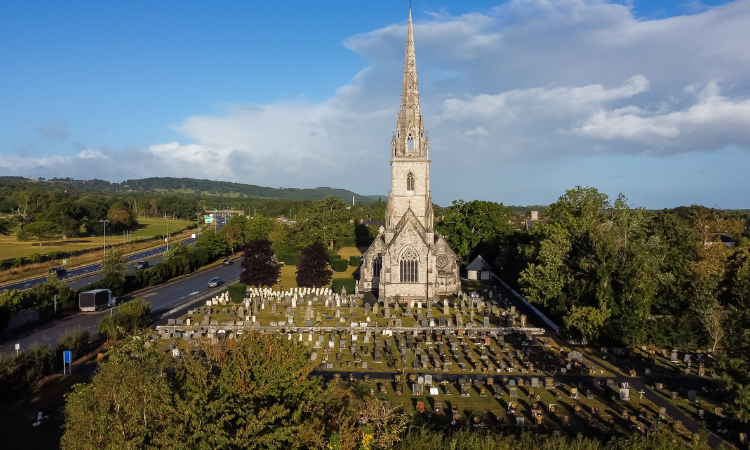
St Asaph is a small cathedral city in Denbighshire, in north Wales. Average sold prices across Denbighshire sit at £198,570 on the HM Land Registry House Price Index, 6.9% below the Wales average of £213,240. St Asaph is one of the smallest cities in the United Kingdom, with roughly 3,500 residents around its cathedral, so the market picture here has to be read at the county level: the sold-price and growth figures below are for Denbighshire as a whole, the local authority St Asaph sits within, while the postcode tables stay specific to the LL16, LL17 and LL18 areas.
For an investor, the honest headline is that St Asaph is a thin market rather than a yield engine. The city's own postcode, LL17, carries a £314,507 average asking price on just five sales a month, and it holds no reliable rental data at all. The rental income in this corner of Denbighshire sits in LL18, the Rhyl and Prestatyn coastal strip, where a £211,762 asking price against roughly £747 a month produces the only measurable gross yield in the guide at 4.2%. This is a small, detached-heavy market where the cheaper coastal postcode does the income work and the cathedral city itself is closer to owner-occupier territory.
This guide covers the local authority of Denbighshire (ONS code W06000004) across the LL16, LL17 and LL18 postcodes. St Asaph sits in the Vale of Clwyd in North Wales, just off the A55 coast road between Rhyl and Denbigh, with no railway station of its own; the nearest stations are at Rhyl and Abergele. The wider Rhyl buy-to-let market shares the same Denbighshire county data.
Article updated: July 2026
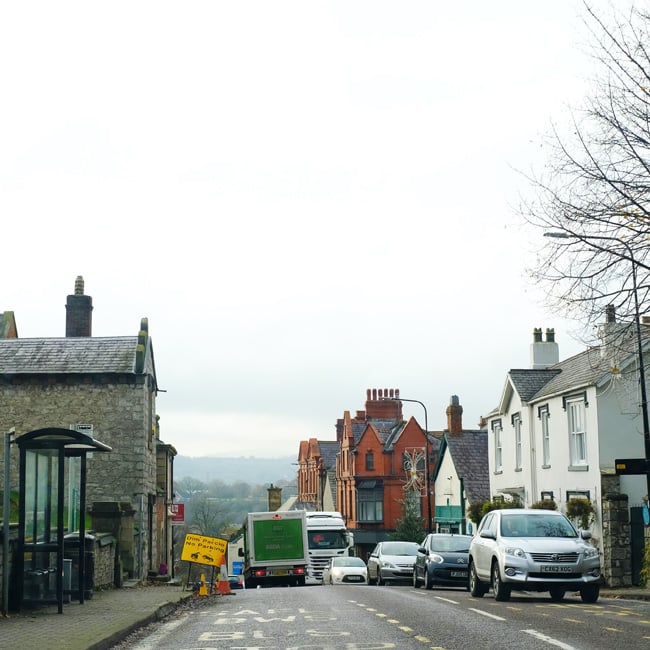
Why Invest in St Asaph?
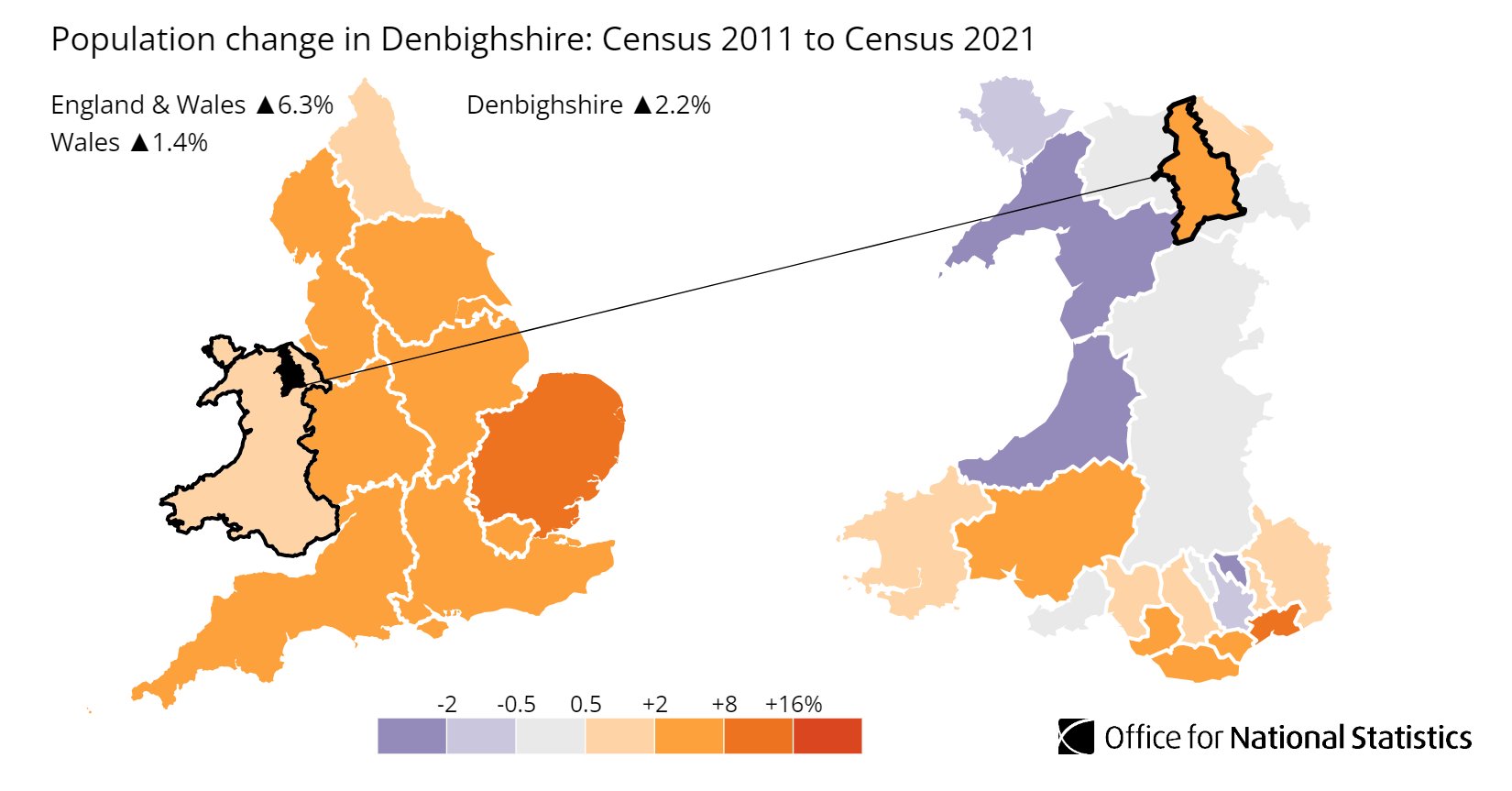
Denbighshire, the local authority St Asaph sits within, grew its population 2.22% between the 2011 and 2021 censuses, from 93,734 to 95,817 residents. That is slower than the 6.3% England and Wales average, the gentle drift of a rural county rather than a growth area, and it points to a settled resident base rather than a wave of new demand. St Asaph itself is tiny within that total, a cathedral city of about 3,500 people that gained city status in 2012, so its rental market is a niche within the wider Vale of Clwyd rather than a market in its own right.
The local economy leans on agriculture, tourism, and public and private services rather than heavy industry, which left the county in the 20th century. St Asaph anchors the western end of the Denbighshire coast, close to the A55 expressway that runs the North Wales coast between Chester and Bangor, and its draw for tenants is the same as for buyers: the Vale of Clwyd, the cathedral, and easy road access to Rhyl, Chester and the wider coast. What it does not have is a university or a large single employer, so rental demand is thinner and more local than in a city like Swansea or Cardiff.
Median gross annual earnings across Denbighshire are £32,691, which is 10.0% below the Wales median of £36,353 and 16.4% below the Great Britain median of £39,125. Those are among the lower county wages in Wales, and they cap how far open-market rents can stretch. Set against Denbighshire's below-average prices, that low wage base is exactly why the yields here are modest rather than high: the entry cost is reasonable, but so is the local tenant's ceiling, and there is no student or commuter premium to lift it.
Denbighshire Economic Summary
- Population (Denbighshire): 95,817 (2021 Census). Growth of 2.22% from 2011.
- Median annual salary: £32,691 (local), £36,353 (Wales), £39,125 (Great Britain)
- Employment rate: 74.5% (local), 75.6% (Great Britain)
- Key employment sectors: Agriculture, tourism and hospitality, human health and social work, wholesale and retail, public administration
Source: ONS Census 2021, Nomis Labour Market Profile (ASHE 2025)
Regeneration and Investment in St Asaph
The largest investment signal in this part of North Wales is the £1.1 billion North Wales Growth Deal, which counts Denbighshire among its six partner councils. St Asaph itself is too small to attract headline schemes, so the regeneration story for an investor here is a county and regional one, concentrated along the coast at Rhyl a few miles to the north.
- North Wales Growth Deal (Active, £1.1 billion): A 15-year regional programme signed in December 2020 and administered by Ambition North Wales, covering Denbighshire alongside Conwy, Flintshire, Gwynedd, Anglesey and Wrexham. It targets low-carbon energy, digital, agri-food and tourism, high-value manufacturing, and land and property, and is projected to create between 3,400 and 4,200 jobs across the region by 2036. For a small county like Denbighshire the value is the wider economic pull rather than a single local scheme. Updates at Ambition North Wales.
- SC2 Rhyl (Complete): The SC2 indoor waterpark and adventure complex opened on the Rhyl seafront in 2019, part of Denbighshire County Council's long-running effort to rebuild the town's tourism economy. It sits within the LL18 postcode that carries the only measurable rental yield in this guide, and a stronger visitor draw at Rhyl supports the seasonal and holiday-let end of the local rental market. Updates at SC2 Rhyl.
- Rhyl Pavilion Theatre (Complete): The Pavilion Theatre on Rhyl's East Parade was redeveloped with a new frontage, foyer and restaurant, reopening as a working events venue in the LL18 seafront area. It is one of several council-backed steps to lift the town centre and waterfront that anchor the coastal end of the Denbighshire market. Updates at Rhyl Pavilion Theatre.
Source: Office for National Statistics - Population for Denbighshire
St Asaph Property Market Analysis
Average property prices in Denbighshire have risen 415.0% since January 1995, from £38,559 to £198,570. Because St Asaph's own sales are too few to index reliably, the market analysis below is measured at the Denbighshire county level, then drills down to the LL16, LL17 and LL18 postcodes for asking prices, growth, transaction volumes and rental data.
When was the last house price crash in St Asaph?
St Asaph sits within the unitary authority of Denbighshire, so all sold property prices from HM Land Registry are recorded at that level. The Land Registry House Price Index tracks the Denbighshire average from January 1995 to March 2026, covering 31 years of market cycles across the whole Vale of Clwyd and coast.
The 1995 to 2007 boom: Denbighshire started at £38,559 in January 1995. By December 2000, prices had reached £53,031, and growth then ran hard through the early 2000s to £126,926 by December 2005. The market peaked at £145,640 in September 2007, close to a four-fold rise on the 1995 base in little over a decade.
2008 to 2013, a deep and drawn-out crash: Prices fell from the September 2007 peak of £145,640 to a trough of £116,111 in March 2013, a decline of 20.3% over more than five years. The worst year-on-year reading was -17.5% in May 2009. This was a harder and longer fall than many Welsh markets saw, and there was no quick bounce: the low-wage, tourism-dependent coast had little to cushion it, and prices ground sideways at the bottom for years.
Recovery, 2013 to 2018: The climb back was slow. Prices did not clear the September 2007 peak of £145,640 until August 2018, at £146,380, taking almost eleven years to recover. That long delay is the defining feature of the Denbighshire cycle and a caution against assuming a coastal Welsh county recovers value quickly after a downturn.
2019 to 2022, the pandemic surge: The stamp duty holiday and a rush for coast and countryside lifted the county quickly. Prices moved from £155,385 in December 2019 to £180,769 by December 2021, and reached £191,582 by December 2022 as buyers paid up for space and sea air.
2023 to present: Higher mortgage rates cooled the market. Prices eased to £184,876 by December 2023 before recovering to a record high of £201,651 in October 2025, then drifting back to £198,570 by the latest reading in March 2026. The current price is 36.3% above the 2007 pre-crash peak and 1.5% below the October 2025 high.
Long-term growth summary:
- 5 years (March 2021 to March 2026): 17.8% growth (£168,597 to £198,570)
- 10 years (March 2016 to March 2026): 50.3% growth (£132,131 to £198,570)
- 15 years (March 2011 to March 2026): 63.2% growth (£121,647 to £198,570)
- 20 years (March 2006 to March 2026): 53.0% growth (£129,812 to £198,570)
- 30 years (January 1995 to March 2026): 415.0% growth (£38,559 to £198,570)
Denbighshire's 20.3% crash was deeper than the Welsh average, and its near-eleven-year recovery was among the slowest of any market we cover. The 30-year return of 415.0% is respectable for a rural county, but the shape of it matters: most of the gains came before 2007 and after 2019, with a lost decade in between. An investor who bought at the exact peak in September 2007 would have waited eleven years just to break even, and would now be sitting on gains of 36.3% on the Land Registry average.
- All property types
- Detached
- Semi-detached
- Terraced
- Flats
- All property types
- Detached
- Semi-detached
- Terraced
- Flats
Sold House Prices in Denbighshire
The average sold price across all property types in Denbighshire is £198,570, which is 6.9% below the Wales average of £213,240 as of March 2026. That discount runs across every property type and widens at the cheaper end. Flats sell at more than a quarter below the Wales figure, while detached houses, the county's dominant stock, carry a fifth off. There is no premium tier here pulling the average up, which is what an affordable rural county looks like on the index.
| Property Type | Denbighshire Average | Wales Average | Difference |
|---|---|---|---|
| Detached houses | £265,998 | £334,744 | -20.5% |
| Semi-detached houses | £181,501 | £212,913 | -14.8% |
| Terraced houses | £147,409 | £170,907 | -13.7% |
| Flats and maisonettes | £94,218 | £126,165 | -25.3% |
| All property types | £198,570 | £213,240 | -6.9% |
Detached houses at £265,998 carry a 20.5% discount to the Wales average of £334,744, and they are the backbone of this market: detached stock makes up nearly three-quarters of the housing in the LL16 and LL17 areas around St Asaph and Denbigh. Annual growth of 0.5% points to a flat top end, in keeping with the recent easing off the October 2025 high.
Semi-detached houses at £181,501 sit 14.8% below the Wales average of £212,913 and posted the strongest annual growth of any type at 1.2%. These are the middle-market family homes spread across the Vale of Clwyd villages and the edges of Rhyl and Prestatyn, and they are where most local owner-occupier demand concentrates.
Terraced houses at £147,409 are 13.7% below the Wales average of £170,907. The terraced stock is concentrated in the older cores of Rhyl and Denbigh rather than in St Asaph itself, and with 0.7% annual growth it is the affordable, income-friendly end of the county: the type most likely to sit inside a working buy-to-let budget.
Flats and maisonettes at £94,218 show the deepest discount at 25.3% below the Wales average of £126,165, and they are the one type to fall over the year, down 4.7%. Denbighshire's flat stock is thin and mostly on the coast at Rhyl and Prestatyn, where seafront conversions and small blocks make up the cheapest way into the county. That softness is a reminder that a low price alone is not a yield when the resale market for it is shallow.
Price Per Square Foot in St Asaph
Price per square foot runs from £215 in LL18 to £251 in LL17, a £36 gap across the three postcodes. Measuring by the square foot strips out how big the homes are, so it compares the locations themselves rather than the house types. LL17, the St Asaph and Trefnant area, commands the top rate, reflecting the larger detached homes and cathedral-city setting, while the coastal LL18 sits at the value end.
| Rank | Area | Price Per Sq Ft |
|---|---|---|
| 1 | LL18 (Rhyl, Prestatyn, Rhuddlan) | £215 |
| 2 | LL16 (Denbigh, Trefnant) | £231 |
| 3 | LL17 (St Asaph, Waen) | £251 |
LL18 at £215 per square foot is the cheapest space in the area, covering Rhyl, Prestatyn and Rhuddlan, where a denser mix of terraced and coastal stock keeps the bricks-and-mortar rate down. It is also the postcode with the deepest sales market and the only rental yield, so the value end of the per-square-foot table and the income end of the guide line up.
LL17 at £251 per square foot tops the table, around 17% above LL18. When buyers pay more per square foot here, they are paying for the St Asaph setting and the larger detached homes of the Vale of Clwyd rather than for extra space, which is exactly what the per-square-foot measure is built to isolate. It confirms St Asaph as the priciest, and thinnest, of the three markets.
For Sale Asking Prices in St Asaph
LL18 at £211,762 and LL17 at £314,507 sit 48.5% apart across the three postcodes. The hierarchy follows the per-square-foot picture: the coastal Rhyl and Prestatyn stock at the bottom, the St Asaph and Denbigh detached market at the top. The mean asking price across the three postcodes is £274,815.
| Rank | Area | Asking Price |
|---|---|---|
| 1 | LL18 (Rhyl, Prestatyn, Rhuddlan) | £211,762 |
| 2 | LL16 (Denbigh, Trefnant) | £298,177 |
| 3 | LL17 (St Asaph, Waen) | £314,507 |
LL18 at £211,762 is the cheapest postcode and the only one whose asking price sits close to the Denbighshire-wide Land Registry sold average of £198,570. For an investor on a fixed budget, the coastal strip offers the most property for the money and the only postcode where the rental figures actually work, which is why the sections below keep returning to it.
LL17 at £314,507 is the St Asaph postcode itself, and at nearly 1.5 times the LL18 figure it is the dearest of the three. The city's stock is dominated by detached family homes bought by owner-occupiers rather than let out, and with only five sales a month it is a small, slow market. For a buyer, that combination of a high asking price and no rental data makes LL17 a capital and lifestyle purchase rather than an income one.
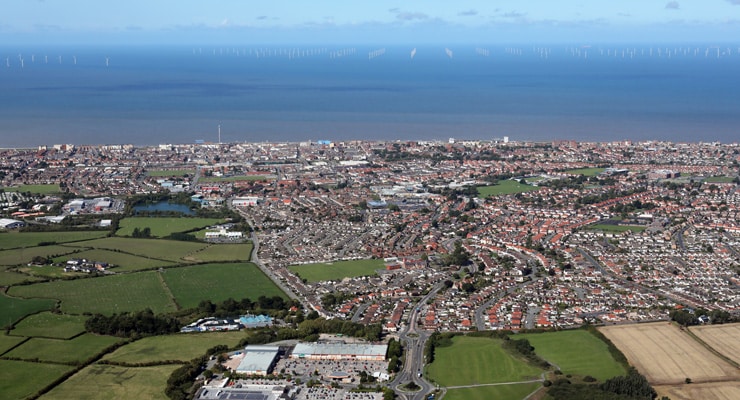
House Price Growth in St Asaph
Five-year growth splits sharply across the three postcodes, from 35.0% in LL17 down to a 4.0% fall in LL16, with the coastal LL18 in between at 12.1%. Small postcodes with few sales produce jumpier readings than a county average, so treat these as a rough steer rather than a precise trend. The one-year column shows the recent easing: LL16 has given back ground while LL18 and LL17 have held closer to flat.
| Area | 1 Year | 3 Years | 5 Years |
|---|---|---|---|
| LL17 (St Asaph, Waen) | -1.0% | -2.2% | 35.0% |
| LL18 (Rhyl, Prestatyn, Rhuddlan) | 2.0% | 3.9% | 12.1% |
| LL16 (Denbigh, Trefnant) | -12.0% | 0.3% | -4.0% |
LL17 leads the five-year column at 35.0%, but its negative one and three-year readings show that gain is old news: the St Asaph postcode rose hard in the 2020 to 2022 surge and has drifted since, which is common for a small detached market where a handful of high-value sales can swing the average. LL18 is the steadier of the three, the only postcode positive across all three windows, pairing 12.1% over five years with a 2.0% one-year reading off the deeper coastal sales base.
LL16 sits at the bottom, down 4.0% over five years and 12.0% over the last one. Covering Denbigh and Trefnant, it is another thin, detached-weighted market where recent readings have turned negative, and its short-term fall is the clearest sign of the post-2022 cooling working through the Vale of Clwyd.
Monthly Property Sales in St Asaph
Transaction volumes range from 5 sales a month in LL17 to 39 in LL18, with turnover rates from 9% to 16%. The coast is where the market actually moves: LL18 alone accounts for the bulk of the sales across the three postcodes, while the St Asaph and Denbigh markets are quiet by comparison.
| Area | Sales Per Month | Turnover | Asking Price |
|---|---|---|---|
| LL18 (Rhyl, Prestatyn, Rhuddlan) | 39 | 16% | £211,762 |
| LL16 (Denbigh, Trefnant) | 14 | 9% | £298,177 |
| LL17 (St Asaph, Waen) | 5 | 10% | £314,507 |
LL18 is by far the busiest market at 39 sales a month and the highest turnover at 16%, the coastal Rhyl and Prestatyn postcode where a deep pool of mid-priced stock changes hands regularly. For a buy-to-let investor, that depth matters as much as the yield: it means there are buyers to sell into when the time comes, which the thinner inland postcodes cannot promise.
LL17 at St Asaph is the quietest market with just 5 sales a month, so a would-be buyer or seller there is dealing with a handful of transactions across the whole postcode. LL16 at Denbigh sits between the two on volume at 14 a month but has the lowest turnover at 9%, a sign of a slow-moving inland market where property can sit for a while before it clears.
How Long Properties Take to Sell in St Asaph
LL18 clears in about 190 days while LL16 and LL17 both sit for roughly 304, over three months longer. Time on market measures how long a typical sale takes; months of unsold stock measures how much for-sale supply is queued at the current rate of sales. All three postcodes read as balanced markets, but the coast moves faster, and in this part of Denbighshire the exit speed is a real holding cost to price in.
| Area | Avg Days to Sell | Months of Unsold Stock | Market |
|---|---|---|---|
| LL18 (Rhyl, Prestatyn, Rhuddlan) | 190 | 6.3 | Balanced market |
| LL16 (Denbigh, Trefnant) | 304 | 10.0 | Balanced market |
| LL17 (St Asaph, Waen) | 304 | 10.0 | Balanced market |
LL18's 6.3 months of unsold stock means a coastal property finds a buyer noticeably quicker than in the inland postcodes, where the 10.0-month figure points to a slower grind. That speed reinforces the pattern running through the guide: LL18 leads on liquidity as well as on yield, while LL16 and LL17 ask a buyer to accept a longer wait both to buy well and to sell on.
What Type of Property Can You Buy in St Asaph?
Detached homes dominate the inland postcodes, at 74.3% of stock in LL16 and 64.4% in LL17, while the coastal LL18 has the county's most varied mix and the only meaningful flat share. The mix shapes which strategy fits each postcode. The figures below are drawn from 2021 Census records for each postcode.
| Area | Detached | Semi-detached | Terraced | Flats |
|---|---|---|---|---|
| LL16 (Denbigh, Trefnant) | 74.3% | 17.6% | 6.1% | 1.0% |
| LL17 (St Asaph, Waen) | 64.4% | 22.5% | 6.8% | 4.8% |
| LL18 (Rhyl, Prestatyn, Rhuddlan) | 53.9% | 26.0% | 10.1% | 9.3% |
LL16 around Denbigh is the most detached-dominated postcode at 74.3%, with terraced and flat stock together under 8%. These are owner-occupier family houses rather than the smaller units that generate rental income, which is a large part of why the inland postcodes carry no reliable rent or yield data. LL17 at St Asaph is similar at 64.4% detached, confirming the cathedral city as house-buyer rather than landlord country.
LL18 on the coast is the outlier, and the only postcode where the stock suits buy-to-let: detached homes fall to 53.9% while terraced houses reach 10.1% and flats 9.3%, the highest small-unit share of the three. That mix of coastal terraces and flats in Rhyl and Prestatyn is the natural rental pool, and it lines up with LL18 carrying the lowest asking price, the busiest market, and the only measurable yield.
The flats figure combines purpose-built and converted units; a small share of non-standard dwellings is excluded, so rows may not total 100%.
St Asaph Rental Market Analysis
Only one of the three postcodes, LL18 on the Rhyl and Prestatyn coast, carries enough rental listings to publish a reliable rent and yield: about £747 a month for a 4.2% gross yield. For investors asking is buy to let worth it around St Asaph, the honest answer is that the income case sits on the coast, not in the cathedral city. If you are weighing how to build a property portfolio in North Wales, this is a market to enter with modest yield expectations. Browse current buy-to-let homes for sale across the region.
Average Rent & Gross Rental Yields in St Asaph
LL18 is the only postcode with a measurable gross yield, at 4.2% on a £211,762 asking price and roughly £747 a month. The inland St Asaph and Denbigh postcodes carry too few rental listings at any one time to publish a reliable figure, so they are shown for completeness without a yield. That gap is itself the finding: the rental market in this corner of Denbighshire is a coastal one.
| Area | Average Monthly Rent | Asking Price | Gross Yield |
|---|---|---|---|
| LL18 (Rhyl, Prestatyn, Rhuddlan) | £747 | £211,762 | 4.2% |
| LL16 (Denbigh, Trefnant) | Not enough data | £298,177 | Not enough data |
| LL17 (St Asaph, Waen) | Not enough data | £314,507 | Not enough data |
LL18 at 4.2% pairs the lowest asking price in the guide with a £747 monthly rent from the Rhyl and Prestatyn lettings pool. That is a modest yield by Welsh standards, well below the headline figures in Swansea or Cardiff, and it reflects both the low local wage ceiling and the seasonal, tourism-tilted nature of coastal demand. A 30% deposit of £63,529 gets an investor into the only postcode here where the rental maths stand up.
LL16 and LL17 show no yield not because the rent is low but because there are too few homes let privately to read the market with any confidence. Both are detached, owner-occupied postcodes where lettings are a rare event rather than a functioning market, so an investor buying in St Asaph or Denbigh for rental income would be doing so without the reassurance of comparable local rents.
Is St Asaph Rent High?
In LL18, the one postcode with rental data, a typical rent consumes about 27.4% of the local median gross monthly salary, just inside the 30% affordability threshold. The widely cited line for rent affordability is 30% of gross income. The coastal LL18 rent sits below that line, which fits a low-wage county where open-market rents cannot stretch far, while the inland St Asaph and Denbigh postcodes carry too little rental data to place on the scale.
The median gross weekly salary across Denbighshire is £628.70, which equates to £2,724 per month or £32,691 per year. This is below both the Wales median of £36,353 and the Great Britain figure of £39,125 a year. Data from the Nomis Labour Market Profile (ASHE 2025).
| Rank | Area | Rent as % of Income |
|---|---|---|
| 1 | LL18 (Rhyl, Prestatyn, Rhuddlan) | 27.4% |
| - | LL16 (Denbigh, Trefnant) | Not enough data |
| - | LL17 (St Asaph, Waen) | Not enough data |
LL18 at 27.4% is affordable for a tenant on the local median salary, and for a landlord that matters: rents that sit within reach of local incomes tend to mean longer tenancies and fewer arrears, because tenants who are not stretched are more likely to stay. It also confirms there is little headroom to push coastal rents much higher, which is part of why the yield here tops out at a modest 4.2%. The St Asaph and Denbigh postcodes cannot be scored on affordability because their rental listings are too thin to produce a reliable rent.
How Big Is St Asaph's Private Rented Sector?
The private rented sector is deepest on the coast in LL18 at 26.5% of households, and thinnest inland in LL16 at 16.0%. The share of homes already rented privately is a guide to how established and tested the local lettings market is, and here it maps neatly onto where the yield data exists. The table below shows household tenure by postcode.
| Area | Owned Outright | Owned with Mortgage | Private Rented | Social Rented |
|---|---|---|---|---|
| LL18 (Rhyl, Prestatyn, Rhuddlan) | 39.8% | 25.2% | 26.5% | 7.9% |
| LL17 (St Asaph, Waen) | 47.0% | 28.1% | 18.9% | 5.7% |
| LL16 (Denbigh, Trefnant) | 51.7% | 27.4% | 16.0% | 4.5% |
LL18 has the largest private rented sector at 26.5%, the deepest tenant base of the three and the reason it is the one postcode with a workable yield. A rented share above a quarter of households points to an active coastal lettings market at Rhyl and Prestatyn, and it pairs with the smallest owner-occupier base of the three postcodes.
LL16 at Denbigh has the smallest private rented sector at 16.0% and the largest owned-outright share at 51.7%, the profile of a settled inland market where most homes are lived in rather than let. LL17 at St Asaph sits between the two at 18.9% rented, still an owner-occupier postcode at heart, which is consistent with its lack of reliable rental listings.
Local Housing Allowance Rates in St Asaph
All three postcodes fall within the North Clwyd Broad Rental Market Area, where Local Housing Allowance runs from £78.80 a week for a shared room to £196.77 a week for a four-bedroom home. Local Housing Allowance caps the housing benefit a tenant can receive, so for that part of the market it sets an effective rent floor for landlords. The rates below cover the North Clwyd area; to check the rate for a specific address, you can use the government's official Local Housing Allowance calculator.
| Property Size | Weekly LHA Rate | Monthly Equivalent |
|---|---|---|
| Shared accommodation | £78.80 | £341 |
| 1 bedroom | £90.90 | £394 |
| 2 bedrooms | £126.58 | £549 |
| 3 bedrooms | £149.59 | £648 |
| 4 bedrooms | £196.77 | £853 |
The two-bedroom North Clwyd rate of £126.58 a week works out at about £549 a month, comfortably below the roughly £747 open-market rent recorded in LL18. A benefit-backed tenancy therefore sits under the coastal market rent, and the stock that fits within these rates concentrates in the lower-priced terraces and flats of Rhyl and Prestatyn. In a low-wage county with a sizeable benefit-supported rental segment, that LHA floor is a meaningful part of the income case, particularly on the coast.
Buy-to-Let Considerations
Are House Prices High in St Asaph? Price-to-Earnings Ratios
Purchasing a property across these postcodes requires between 6.5 and 9.6 times the median annual salary. This is based on the Nomis Labour Market Profile for Denbighshire showing the median gross annual income for local residents is £32,691.
The national benchmark for price-to-earnings is 5.5x (the Wales average sold price of £213,240 divided by the Great Britain median annual salary of £39,125). All three postcodes sit above that benchmark, meaning property here is less affordable relative to local incomes than the Wales average is relative to national incomes, a direct consequence of Denbighshire's low local wages rather than high prices.
| Rank | Area | Price-to-Earnings Ratio |
|---|---|---|
| 1 | LL18 (Rhyl, Prestatyn, Rhuddlan) | 6.5x |
| 2 | LL16 (Denbigh, Trefnant) | 9.1x |
| 3 | LL17 (St Asaph, Waen) | 9.6x |
LL18 at 6.5x is the most affordable entry against local earnings, and it is again the postcode where the numbers cohere: the lowest ratio, the lowest price, and the only working yield all sit together on the coast. It is the clearest income entry point of the three.
LL17 at 9.6x is the least affordable, with the St Asaph postcode asking nearly ten times the local median salary. That ratio is the warning behind the city's high asking price and absent rental data: it is priced for owner-occupiers and second-home buyers who bring income from elsewhere, not for a local rental return.
Deposit Requirements in St Asaph
A 30% deposit across these postcodes ranges from £63,529 in LL18 to £94,352 in LL17. The gap between the cheapest and most expensive deposit is £30,823, which mirrors the wider point that the coast is the affordable, income-friendly entry and the inland city the pricier one.
Beyond the deposit, the Wales LTT calculator and other buy-to-let running costs affect the total capital required. In Wales, a buy-to-let purchase attracts Land Transaction Tax at the higher residential rates, which start at 5% up to £180,000 and rise through 8.5% and 10% on the portions above, so on a typical St Asaph-area price the LTT bill is a real line in the budget.
| Rank | Area | 30% Deposit Required |
|---|---|---|
| 1 | LL18 (Rhyl, Prestatyn, Rhuddlan) | £63,529 |
| 2 | LL16 (Denbigh, Trefnant) | £89,453 |
| 3 | LL17 (St Asaph, Waen) | £94,352 |
LL18 is the cheapest way into the area at a £63,529 deposit, and it buys the only measurable yield and the busiest resale market of the three. For an income-focused investor, the coast is where a 30% deposit does the most work.
At the other end, LL17 demands £94,352 for a St Asaph property with no rental data and just five sales a month. That capital buys a detached home in a cathedral city with genuine lifestyle appeal, but as a rental proposition it is untested locally, which is a poor pairing of a high entry cost with an unproven income.

What the St Asaph Data Tells Buy-to-Let Investors
The income case around St Asaph is a coastal one, and it sits in LL18 rather than in the cathedral city itself. LL18, covering Rhyl, Prestatyn and Rhuddlan, has the lowest asking price at £211,762, the only measurable gross yield at 4.2%, the busiest resale market at 39 sales a month, the fastest sale at about 190 days, and the most affordable price-to-earnings ratio at 6.5x. A 30% deposit there is £63,529 for a home renting at roughly £747 a month. For an investor buying for an investment property in St Asaph and the wider area, the coast is where the numbers hold together.
LL16 and LL17, the Denbigh and St Asaph postcodes, tell a different story. Both are detached-dominated, owner-occupier markets with high asking prices, thin sales, and no reliable rental data, and LL16 has posted the sharpest recent price falls of the three. LL17 in particular carries the highest deposit at £94,352 and the highest price-to-earnings ratio at 9.6x for a property with no local rental comparables at all. These are places to buy a home rather than a yield.
Denbighshire has no England-style selective licensing scheme; instead every private landlord in Wales must register and, where they manage the property themselves, license through Rent Smart Wales. With its low price base, low local wages, deep and slow 2008 crash, and a rental market concentrated on the coast, St Asaph reads as a modest-yield, income-thin market: a place where the returns are real but small, and where LL18 is where an income-focused investor would look. Buyers wanting to come in below asking, particularly in the slower inland postcodes, tend to work the off-market property in St Asaph route.
How St Asaph Compares
St Asaph's mean asking price of £274,815 is the second highest of five North Wales and South Wales markets compared here, while its top yield of 4.2% is the lowest in the group. The comparison below places St Asaph alongside four nearby Welsh markets, each with a different investor profile. The mean asking price and mean monthly rent are simple averages across all postcodes with data, and the top gross yield is the single highest postcode yield in each location.
| Location | Mean Asking Price | Mean Monthly Rent | Mean Gross Yield | Top Yield (postcode) |
|---|---|---|---|---|
| Rhyl | £232,158 | £747 | 3.9% | 4.2% (LL18) |
| Wrexham | £261,327 | £821 | 3.8% | 4.3% (LL11, LL14) |
| Bangor | £273,052 | £921 | 4.0% | 4.8% (LL57) |
| St Asaph | £274,815 | £747 | 3.3% | 4.2% (LL18) |
| Newport | £276,613 | £1,012 | 4.4% | 5.1% (NP11, NP19) |
St Asaph and neighbouring Rhyl share the same Denbighshire county data and the same 4.2% top yield, both driven by the LL18 coastal postcode, but Rhyl's mean asking price is lower at £232,158 because it excludes the pricier inland St Asaph and Denbigh stock that lifts this guide's average. On yield, St Asaph sits at the bottom of the group, matched with Rhyl and behind Wrexham at 4.3%, Bangor at 4.8% and Newport at 5.1%.
For investors weighing the alternatives, Wrexham offers a broader North Wales economy and city status of its own, Bangor brings a university rental market that St Asaph entirely lacks, and Newport in the south pairs a higher yield with far deeper rental demand along the M4. St Asaph's case is narrower: a small, low-yield market where the income sits only on the coast, best suited to a buyer who wants a North Wales foothold rather than a headline return. For a data-led view across every UK market, see our guide to the highest-yielding areas.
Frequently Asked Questions
Is St Asaph a good place to live for buy-to-let tenants?
It is a pleasant but small place to live, and that shapes the rental picture. St Asaph is a cathedral city of only about 3,500 people in the Vale of Clwyd, with the A55 for road access to Rhyl, Chester and the coast, but no railway station and no university. That makes it an attractive spot for owner-occupiers and retirees more than a natural rental town, and the private rented sector in the LL17 postcode is a modest 18.9% of households.
For a landlord, the tenant demand is thin in the city itself and deeper a few miles north on the coast. The LL18 area around Rhyl and Prestatyn has a private rented sector above a quarter of households and the only measurable rents in the guide, so that is where a tenant base actually exists.
What are the best areas in St Asaph for property investment?
The data points clearly to the coast rather than the city. If income is the priority, LL18 (Rhyl, Prestatyn, Rhuddlan) is the only postcode that works: the lowest asking price at £211,762, the only measurable yield at 4.2%, the busiest sales market, and the most affordable price-to-earnings ratio at 6.5x. It is the natural entry point for a buy-to-let in this part of Denbighshire.
The inland postcodes are harder to justify for rental. LL17 (St Asaph, Waen) and LL16 (Denbigh, Trefnant) are detached, owner-occupier markets with high asking prices, few sales, and no reliable rental data, so a purchase there is closer to buying a home or a long-term capital hold than an income property.
Why are rental yields low in St Asaph?
It comes down to low local wages meeting prices that are not cheap enough to compensate. Denbighshire's median salary is £32,691, around 16% below the Great Britain figure, and that caps what tenants can pay: the LL18 rent of about £747 a month against a £211,762 asking price produces a 4.2% gross yield, modest by Welsh standards. There is no student or commuter market here to lift rents the way there is in Bangor, Cardiff or Swansea.
The county's price history reinforces the caution. Denbighshire suffered a deep 20.3% crash after 2007 and took almost eleven years to recover the old peak, so the capital-growth case is slow as well as the income case being modest. The returns are real but small, and they sit on the coast.
Is there a railway station in St Asaph?
No. St Asaph lost its railway station when the Vale of Clwyd line closed in the 1960s, and the city relies on road access via the A55 and the A525. The nearest operational stations are at Rhyl and at Abergele and Pensarn, both a short drive away on the coast. For tenants and buyers, that means St Asaph is a car-dependent location, which narrows its appeal to commuter renters and is part of why the rental market is thin.
Can I find buy-to-let property under £215,000 in St Asaph?
Yes, but on the coast rather than in the city. LL18 (Rhyl, Prestatyn, Rhuddlan) averages £211,762, the only postcode near the Denbighshire sold average of £198,570, so it is where sub-£215,000 stock and the only working yield both sit. Beyond that, the route under the figure is by property type: flats across Denbighshire average £94,218 on the Land Registry index, and terraced houses £147,409, both well under the county average and concentrated in Rhyl and Denbigh. If a lower entry is the target, LL18 terraces and flats are where to look, or explore below market value stock.
How has the North Wales Growth Deal affected St Asaph?
Its effect on St Asaph is indirect, through the wider regional economy rather than through local building. The £1.1 billion Growth Deal, signed in 2020 and covering Denbighshire among six councils, targets energy, digital, agri-food, tourism and manufacturing across North Wales, with 3,400 to 4,200 jobs projected by 2036. For a town of 3,500 people, the value is any lift it gives to the coastal economy and to employment within commuting distance.
Closer to home, the visible investment has been at Rhyl on the coast, where the council-backed SC2 waterpark opened in 2019 and the Pavilion Theatre was redeveloped in 2017. Both sit in the LL18 postcode that carries this guide's only rental yield, and a stronger Rhyl tourism draw supports the seasonal and holiday-let end of the local market.
What are average house prices in St Asaph?
Measured at the Denbighshire county level, the average sold price is £198,570 on the Land Registry index, about 6.9% below the Wales average of £213,240 as of March 2026. Asking prices by postcode run from £211,762 in LL18 (Rhyl, Prestatyn) up to £314,507 in LL17 (St Asaph, Waen), with a three-postcode mean of £274,815. By type, detached homes average £265,998, semi-detached £181,501, terraced £147,409, and flats £94,218.
Through a buy-to-let lens, LL18 is the cheapest entry and the only postcode with a measurable yield at 4.2%, while the St Asaph and Denbigh postcodes are dearer and carry no reliable rental figures.
What are the Local Housing Allowance rates in St Asaph?
All three postcodes fall in the North Clwyd Broad Rental Market Area, so the area shares one set of rates. As of June 2026, Local Housing Allowance there runs at £78.80 a week for a shared room, £90.90 for a one-bed, £126.58 for two beds, £149.59 for three, and £196.77 for four. The LHA figure is the most a tenant on housing support can claim towards rent, so for that part of the market it effectively sets a floor, and in a low-wage county the benefit-backed segment is a meaningful share of coastal rental demand.
What type of property is most common in St Asaph?
Detached houses, by a wide margin inland. They make up 74.3% of the stock in LL16 (Denbigh) and 64.4% in LL17 (St Asaph), reflecting the Vale of Clwyd's family-home character. The exception is LL18 on the coast, where detached homes fall to 53.9% and terraced houses and flats together reach nearly 20%, the highest small-unit share of the three. That coastal stock in LL18 is the natural buy-to-let pool, which is part of why the only working yield sits there.
How do I buy an investment property in St Asaph?
Start by accepting that the income case sits on the coast, not in the cathedral city. For a rental return, LL18 (Rhyl, Prestatyn, Rhuddlan) is the only postcode that works, at a £211,762 asking price and a 4.2% yield, with a 30% deposit of £63,529. The inland LL16 and LL17 postcodes are dearer, slower and short of rental data: their record shows price and capital movement, with no measurable rental return recorded. Budget for a 30% deposit and for Welsh Land Transaction Tax at the higher rates on top.
Beyond what is listed openly, experienced investors often buy below asking through off-market property and BMV property channels, which matter more in a thin market like this. To see what is available now, browse investment property or buy-to-let homes for sale.
Ready to buy property?
Access off-market investment properties with an average 8%+ annual gross yield (beating the UK's typical 3-5%).
Get property alerts