
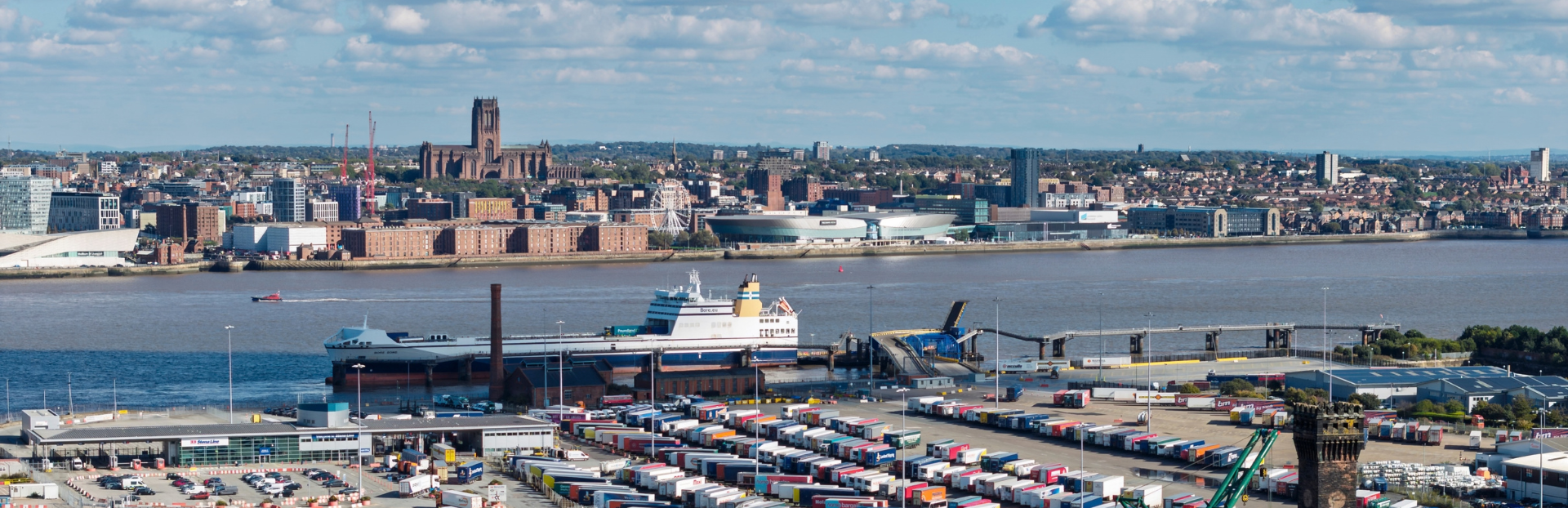
Birkenhead is a town on the Wirral peninsula in Merseyside, north-west England. Average sold prices across Wirral sit at £223,726 on the HM Land Registry House Price Index, 22.8% below England's £289,946 and at the highest level the borough has ever recorded. That combination is what marks Birkenhead out: prices well under the national average, yet a market that has just made a fresh all-time high rather than easing back. The cheaper postcodes carry it on yield. CH41 returns 7.9% gross at a £125,367 average price, the kind of income figure that is hard to find on the other side of the Mersey.
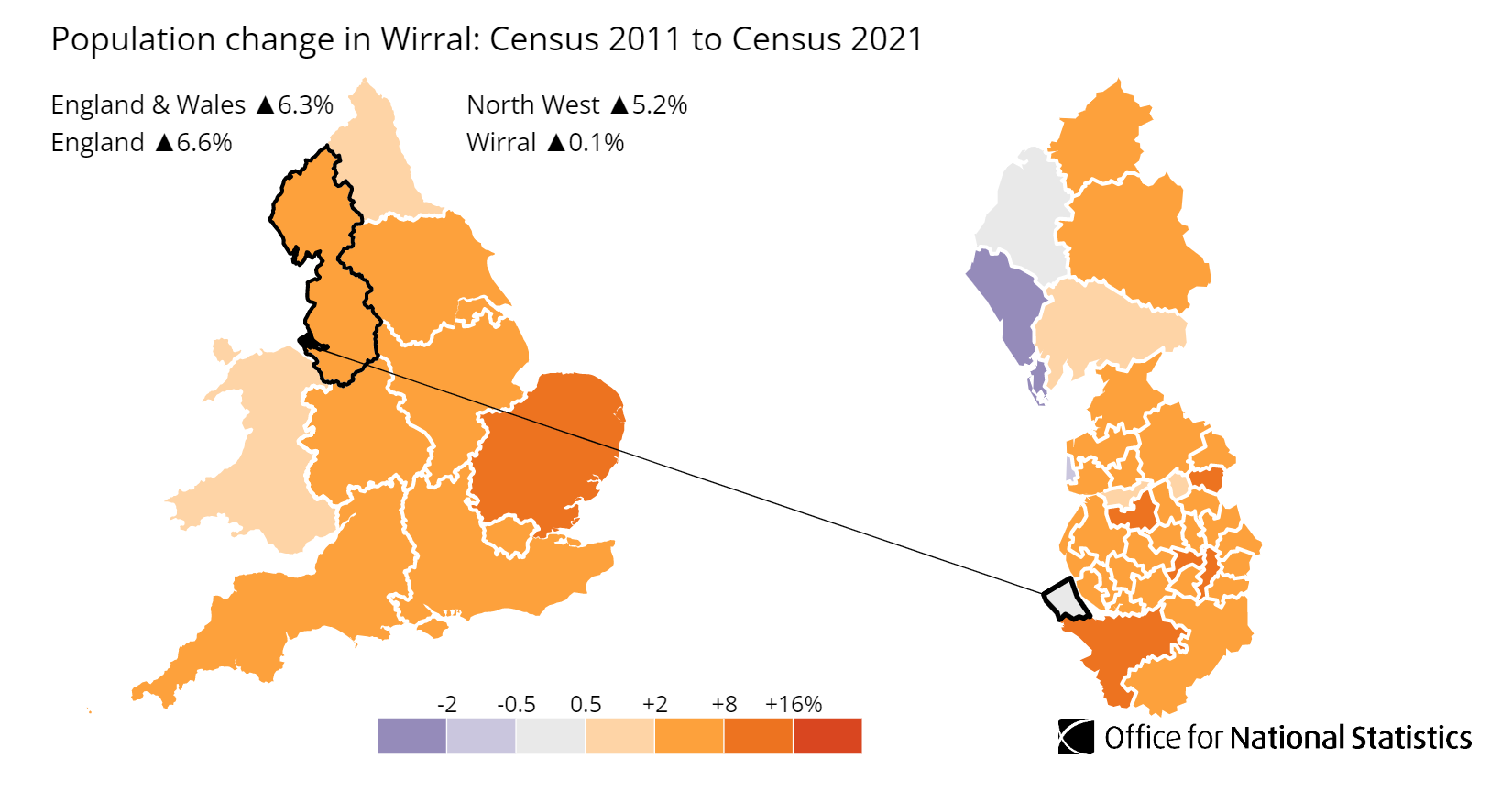
Birkenhead sits within the metropolitan borough of Wirral, whose population was 320,199 at the 2021 Census, almost unchanged from 319,783 a decade earlier. This is not a place adding tens of thousands of new residents. It is a stable, established borough where the investment case rests on a long-run housing shortage, low asking prices and rental income, not on a population boom. The spread runs from CH41 at £125,367 to CH63 at £304,419, so a single town holds both the cheapest income play and the dearest family stock on the peninsula.
This guide covers the metropolitan borough of Wirral (ONS code E08000015) across the six Birkenhead postcodes CH41, CH42, CH43, CH44, CH45 and CH63. Birkenhead sits on the west bank of the River Mersey, directly across the water from Liverpool and linked to it by the Mersey Tunnel and the Merseyrail network. Investors weighing up the wider region also look at Chester to the south.
Article updated: July 2026
Why Invest in Birkenhead?
Birkenhead is around ten minutes from Liverpool city centre by Merseyrail, but its average asking prices start at £125,367 in CH41, a fraction of what the same commute costs on the Liverpool side. That gap is the foundation of the case. A tenant working in Liverpool can live in Hamilton Square or Rock Ferry and reach the office faster than from many inner-city suburbs, while a landlord buys in at North West prices rather than city-centre ones. The borough also has its own employment base, anchored by Arrowe Park Hospital and the wider NHS, public administration, and the construction and regeneration work now running through the docklands.
Wirral's population held essentially flat over the last census decade, up just 0.13% from 319,783 in 2011 to 320,199 in 2021, against 6.3% growth across England and Wales. For a buy-to-let investor that matters less than it first looks. The peninsula has a settled, ageing population and a chronic shortage of newer homes, which is part of why the regeneration pipeline below is so large. Demand for rented stock comes from Liverpool's labour market and from local workers who cannot buy, not from a wave of newcomers.
Median gross annual earnings in Wirral are £38,010, close to the North West median of £37,445 and a little under the Great Britain median of £39,125. Wages that sit near the regional average, set against some of the lowest asking prices in the North West, are what keeps the yield maths working: rents that local people can afford still clear comfortably against a £125,000 to £170,000 purchase in the cheaper postcodes.
Rail Connections: Hamilton Square, Rock Ferry and the Merseyrail Network
The Merseyrail network ties Birkenhead's postcodes directly into Liverpool, Chester and Ellesmere Port. Hamilton Square and Birkenhead Central serve CH41, Rock Ferry station sits in CH42, and the Wirral Line and West Kirby branch run out through CH43 and the western postcodes. For a tenant commuting to Liverpool, the under-the-river train is quicker than most cross-city bus routes, which is a large part of why the lower-priced eastern postcodes let well.
Birkenhead Economic Summary
- Population (Wirral): 320,199 (2021 Census). Growth of 0.13% from 2011.
- Median annual salary: £38,010 (Wirral), £37,445 (North West), £39,125 (Great Britain)
- Employment rate: 71.9% (Wirral), 74.2% (North West), 75.6% (Great Britain)
- Unemployment rate: 6.3% (Wirral)
- Key employment sectors: Health and social work (NHS), public administration, construction and regeneration, retail, transport and logistics
Source: ONS Census 2021, Nomis Labour Market Profile (ASHE 2025, Employment Oct 2024-Sep 2025)
Wirral's employment rate of 71.9% sits below both the North West (74.2%) and Great Britain (75.6%), and unemployment at 6.3% runs higher than the regional figure. Those are softer numbers than a place like Chester, and worth seeing clearly rather than glossing over.
The context behind them is a large retired and early-retirement population, particularly in the western Wirral postcodes, which pulls the working-age employment rate down. For a landlord the more useful read is that those in work earn close to the regional median, and the cheaper postcodes hold a deep pool of established renters, which the tenure data later in this guide bears out.
Regeneration and Investment in Birkenhead
Birkenhead carries one of the largest regeneration pipelines on Merseyside, led by the £4.5 billion Wirral Waters masterplan on the dockland waterfront. The schemes below are concentrated on the east of the borough, around the docks and the town centre, which is the same ground as the cheaper, higher-yielding postcodes.
- Wirral Waters (under construction, £4.5 billion masterplan): Peel's flagship regeneration spans more than 500 acres of the East Float and West Float docklands. The long-term masterplan sets out around 13,000 new homes and up to 27,000 jobs over its lifetime. The Millers Quay residential neighbourhood is built and occupied, with further phases of homes being brought forward. Updates at Wirral Waters.
- Hind Street Urban Garden Village (approved, £51 million): Over 1,500 homes on derelict land around Hind Street, with the first 633 in Phase 1. The funding is £29 million from Homes England and £22 million from the Liverpool City Region Combined Authority. The scheme includes Dock Branch Park, a linear walking and cycling route along a disused railway line. Updates at GOV.UK.
- Birkenhead town centre and Woodside (under construction): Public-realm upgrades around Grange Road, Charing Cross, Conway Street and Europa Boulevard, alongside work at Woodside, where a new pontoon for the Mersey Ferry is under construction and a Battle of the Atlantic visitor attraction is planned. The work is reshaping the streets that connect the docks to the existing town centre.
Source: Office for National Statistics - Population for Wirral
Birkenhead Property Market Analysis
Average property prices in Wirral have risen 432.9% since January 1995, from £41,983 to £223,726. The sections below trace that path cycle by cycle, then break down the current postcode-level picture for sold prices, price per square foot, asking prices, growth, transaction volumes and selling times.
When was the last house price crash in Birkenhead?
Birkenhead sits within the metropolitan borough of Wirral, so all sold prices from HM Land Registry are recorded at borough level. The index runs from January 1995 to the latest reading in March 2026, covering 31 years of cycles, and Wirral's story differs from the wealthier Cheshire markets in one clear way: a deeper crash and a much slower climb back.
The 1995 to 2007 climb: Wirral opened at £41,983 in January 1995 and barely moved for the first year. By December 2000 the average was £54,811. Growth then accelerated through the early 2000s, with annual change running above 20% at the peak of the boom, reaching £128,584 by December 2005. The market topped out at £146,684 in October 2007.
2007 to 2009, the financial crisis: Prices fell from the October 2007 peak of £146,684 to a trough of £119,660 in April 2009, a drop of 18.4% over 18 months. The worst year-on-year reading was -14.8% in February 2009. That was a steeper fall than Cheshire's wealthier markets saw, in line with the deeper correction across lower-priced Merseyside stock.
2009 to 2013, the long stagnation: Prices bounced off the April 2009 trough but then went sideways for years. The average stood at £126,476 by December 2010 and was still only £127,677 by December 2012. By December 2013 it had edged to £129,212, more than 11% below the pre-crash peak. Wirral spent the early 2010s stuck.
Recovery, 2014 to 2017: Annual growth of 2% to 5% slowly closed the gap. Prices passed the October 2007 peak for the first time in July 2017, at £148,910. The recovery took close to ten years, far longer than England as a whole and longer than most North West markets, a direct legacy of the deep stagnation phase.
2017 to 2019, steady growth: The market found a sustainable pace, rising from £148,910 in July 2017 to £157,759 by December 2019, with annual growth mostly in the 2% to 4% range.
2020 to 2022, the pandemic surge: The stamp duty holiday and a shift towards homes near water and green space hit Wirral hard in its favour. Prices jumped from £171,360 by December 2020 to £202,876 by December 2022, with annual growth reaching 11.9%. The coastal western postcodes and the Liverpool-without-the-density appeal drove the run.
2023, the rate shock: Higher mortgage rates cooled things. The average slipped from £202,876 in December 2022 to £198,878 by December 2023, a fall of 2.0%, mild against the 2008 correction.
2024 to present: Prices turned back up. The average reached £206,039 by December 2024 and £223,726 by the latest reading in March 2026, with annual growth back at 6.7%. That March 2026 figure is the highest Wirral has ever recorded, 52.5% above the October 2007 pre-crash peak.
Long-term growth summary:
- 5 years (March 2021 to March 2026): 25.8% growth (£177,884 to £223,726)
- 10 years (March 2016 to March 2026): 61.9% growth (£138,186 to £223,726)
- 15 years (March 2011 to March 2026): 72.5% growth (£129,675 to £223,726)
- 20 years (March 2006 to March 2026): 72.9% growth (£129,427 to £223,726)
- 30 years (January 1995 to March 2026): 432.9% growth (£41,983 to £223,726)
Wirral's 18.4% crash was deeper than the wealthier Cheshire markets nearby, and the climb back to the old peak took nearly a decade. The long-run record is still strong, with a 432.9% gain over 31 years, but the shape of it matters: this is a market that fell hard, recovered slowly, and has only in the last couple of years pushed clearly into new high ground. An investor who bought at the very top in October 2007 would now be 52.5% ahead on the Land Registry average, having sat through a long flat stretch to get there.
- All property types
- Detached
- Semi-detached
- Terraced
- Flats
- All property types
- Detached
- Semi-detached
- Terraced
- Flats
Sold House Prices in Birkenhead
The average sold price across all property types in Wirral is £223,726, which is 22.8% below the England average of £289,946 as of March 2026. That discount widens sharply down the property ladder. Detached homes are 14.8% below England, while flats are 41.2% below. The pattern says a lot about where the value sits in Birkenhead: the family-house stock holds its price reasonably close to the national market, while the smaller, cheaper units that drive rental income are where the borough is most heavily discounted, and where the yields later in this guide are highest.
| Property Type | Wirral Average | England Average | Difference |
|---|---|---|---|
| Detached houses | £401,056 | £470,492 | -14.8% |
| Semi-detached houses | £254,188 | £288,185 | -11.8% |
| Terraced houses | £178,510 | £243,788 | -26.8% |
| Flats and maisonettes | £126,127 | £214,563 | -41.2% |
| All property types | £223,726 | £289,946 | -22.8% |
Detached houses average £401,056, the smallest discount to England at 14.8% below £470,492. The detached stock concentrates in the western and southern postcodes, in Oxton and Prenton (CH43) and out towards Bebington and Bromborough (CH63), where larger period and inter-war homes draw buyers from across the peninsula. Annual growth of 7.1% shows that end of the market climbing in step with the borough.
Semi-detached houses average £254,188, an 11.8% discount to England's £288,185 and the type that sits closest to the borough-wide average. Semis are the backbone of Wirral's housing, spread across almost every postcode from Wallasey (CH44) and New Brighton (CH45) to Bebington (CH63). Annual growth of 7.6% is the strongest of any property type here.
Terraced houses average £178,510, a 26.8% discount to England's £243,788. The terraced stock clusters in the older eastern postcodes, in Birkenhead Central and Tranmere (CH41) and Rock Ferry (CH42), and it is the type most landlords reach for on yield. Annual growth of 7.5% sits just behind the semis.
Flats and maisonettes average £126,127, the deepest discount at 41.2% below England's £214,563. Birkenhead has a real flat market, particularly the purpose-built and converted blocks in CH41, but it lacks the institutional city-centre tower stock that lifts flat values in Liverpool or Manchester. Annual growth of 1.6% is well behind the houses, the usual pattern for a flat market driven by local demand alone.
Price Per Square Foot in Birkenhead
At £262 per square foot, CH63 (Bebington, Bromborough) is double the £132 in CH41 (Birkenhead Central, Tranmere), the widest space-cost gap of the six postcodes. Measuring by the square foot strips out how big the homes are, so it compares the locations themselves rather than the house types in them. CH63 commands the top rate, reflecting the larger, sought-after family stock at the southern end of the peninsula.
| Rank | Area | Price Per Sq Ft |
|---|---|---|
| 1 | CH41 (Birkenhead Central, Tranmere) | £132 |
| 2 | CH42 (Rock Ferry, Tranmere) | £142 |
| 3 | CH44 (Wallasey, Seacombe) | £143 |
| 4 | CH45 (New Brighton, Wallasey) | £194 |
| 5 | CH43 (Oxton, Prenton) | £218 |
| 6 | CH63 (Bebington, Bromborough) | £262 |
CH41 at £132 per square foot is the cheapest bricks-and-mortar in Birkenhead, covering the town centre, Tranmere and the dockland edge where Wirral Waters is being built. That £132 is roughly half the £262 in CH63, a genuine two-tier split across a single town. The CH41 figure is drawn from 324 transactions analysed.
CH63 at £262 per square foot tops the table, the southern Wirral postcode running through Bebington, Bromborough and Eastham. Buyers paying more per square foot here are paying for the larger detached and semi-detached stock and the more suburban setting away from the docks. The figure is based on 512 transactions analysed.
For Sale Asking Prices in Birkenhead
CH41 at £125,367 and CH63 at £304,419 sit 142.8% apart, the widest asking-price spread within Birkenhead. The hierarchy follows the per-square-foot ranking closely. The mean asking price across all six postcodes is £214,598.
| Rank | Area | Asking Price |
|---|---|---|
| 1 | CH41 (Birkenhead Central, Tranmere) | £125,367 |
| 2 | CH44 (Wallasey, Seacombe) | £165,555 |
| 3 | CH42 (Rock Ferry, Tranmere) | £168,342 |
| 4 | CH45 (New Brighton, Wallasey) | £243,078 |
| 5 | CH43 (Oxton, Prenton) | £280,827 |
| 6 | CH63 (Bebington, Bromborough) | £304,419 |
CH41 at £125,367 is the lowest entry point in Birkenhead and one of the cheapest in the North West. It also carries the highest gross yield in the borough, an unusual pairing covered in the rental section below. For an investor working to a fixed budget, this is the most property for the money and the smallest deposit required.
CH63's £304,419 sits at the top, more than double the CH41 figure. To put it in regional context, the mean asking price across all of Birkenhead is £214,598, so CH63 runs well clear of its own borough average. This is owner-occupier territory in Bebington and Bromborough rather than a yield play, which the rental data confirms.
House Price Growth in Birkenhead
All six Birkenhead postcodes posted positive five-year growth, led by CH44 (Wallasey, Seacombe) at 29.3%, while CH41 is the only one negative over three years. The five-year picture is uniformly positive, but the shorter windows separate the postcodes. CH45 (New Brighton, Wallasey) is the standout on recent momentum with 9.4% over one year.
| Area | 1 Year | 3 Years | 5 Years |
|---|---|---|---|
| CH44 (Wallasey, Seacombe) | 1.7% | 6.7% | 29.3% |
| CH42 (Rock Ferry, Tranmere) | -0.5% | 7.0% | 26.8% |
| CH45 (New Brighton, Wallasey) | 9.4% | 11.1% | 25.2% |
| CH63 (Bebington, Bromborough) | 7.9% | 8.5% | 24.9% |
| CH41 (Birkenhead Central, Tranmere) | 1.4% | -1.3% | 23.6% |
| CH43 (Oxton, Prenton) | 0.3% | 4.9% | 12.6% |
CH44 leads on five-year growth at 29.3%, with Wallasey and Seacombe benefiting from the same Liverpool-commute and lower-price draw as the eastern postcodes but with more established residential streets. CH45 in New Brighton has the strongest recent figures, up 9.4% over a year and 11.1% over three, as the coastal town has drawn renewed buyer interest.
CH41 sits at the bottom of the table on three-year growth at -1.3%, the only negative reading across the postcodes, even as its five-year figure of 23.6% stays firmly positive. The town-centre and dockland stock has been the most uneven performer, which is the trade-off against its market-leading yield.
Monthly Property Sales in Birkenhead
Monthly sales run from 20 in CH41 to 33 in CH45, with turnover rates between 14% and 24%. Even the quietest postcode sees steady transaction volumes, and the eastern postcodes turn over fastest. CH41 records the highest turnover at 24% despite the fewest absolute sales.
| Area | Sales Per Month | Turnover | Asking Price |
|---|---|---|---|
| CH45 (New Brighton, Wallasey) | 33 | 16% | £243,078 |
| CH43 (Oxton, Prenton) | 32 | 14% | £280,827 |
| CH42 (Rock Ferry, Tranmere) | 29 | 23% | £168,342 |
| CH63 (Bebington, Bromborough) | 26 | 18% | £304,419 |
| CH44 (Wallasey, Seacombe) | 22 | 19% | £165,555 |
| CH41 (Birkenhead Central, Tranmere) | 20 | 24% | £125,367 |
CH41's 24% turnover is the highest in Birkenhead, ahead of CH43's 14%. The cheaper eastern stock changes hands more often, partly because it is the most active end for landlords buying and selling, partly because lower-priced homes simply move faster. For an investor, a higher turnover postcode is an easier one to sell out of when the time comes.
CH43 records 32 sales a month on a 14% turnover, the lowest churn of the six. Oxton and Prenton hold a larger, more expensive housing stock, so a similar monthly sales count represents a smaller share of the total. The premium family postcodes sit longer between sales, which the selling-times data below shows directly.
How Long Properties Take to Sell in Birkenhead
CH42 (Rock Ferry, Tranmere) clears fastest at about 117 days, while CH43 (Oxton, Prenton) is slowest at roughly 234 days, twice as long. Days on market is the typical time a home is listed before it sells, and the months of unsold stock shows how much for-sale supply is sitting there at the current rate of sales. The eastern, cheaper postcodes are where homes move quickest.
| Area | Avg Days to Sell | Months of Unsold Stock | Market |
|---|---|---|---|
| CH42 (Rock Ferry, Tranmere) | 117 | 3.8 | Seller's market |
| CH41 (Birkenhead Central, Tranmere) | 132 | 4.3 | Seller's market |
| CH44 (Wallasey, Seacombe) | 152 | 5.0 | Seller's market |
| CH45 (New Brighton, Wallasey) | 190 | 6.3 | Balanced market |
| CH63 (Bebington, Bromborough) | 190 | 6.3 | Balanced market |
| CH43 (Oxton, Prenton) | 234 | 7.7 | Balanced market |
How quickly you can get back out is the part a yield figure never shows. CH42 turns a sale around in about 117 days against CH43's 234, so two postcodes with very different prices also carry very different exit speeds. The three eastern postcodes that sell fastest are the same ones that lead on yield, which means in Birkenhead the income end of the market is also the more liquid one.
What Type of Property Can You Buy in Birkenhead?
The housing mix splits the borough cleanly: terraces and flats dominate CH41, where they make up 72% of stock, while detached and semi-detached homes account for 83% of CH63. What you can buy shapes which strategy fits each postcode. The figures below come from 2021 Census records for each postcode.
| Area | Detached | Semi-detached | Terraced | Flats |
|---|---|---|---|---|
| CH41 (Birkenhead Central, Tranmere) | 4.9% | 23.1% | 29.9% | 42.1% |
| CH42 (Rock Ferry, Tranmere) | 12.1% | 36.3% | 31.7% | 19.9% |
| CH43 (Oxton, Prenton) | 23.5% | 38.7% | 17.1% | 20.7% |
| CH44 (Wallasey, Seacombe) | 4.9% | 37.3% | 38.8% | 18.9% |
| CH45 (New Brighton, Wallasey) | 12.6% | 49.8% | 18.0% | 19.7% |
| CH63 (Bebington, Bromborough) | 45.9% | 36.8% | 12.1% | 5.3% |
CH41 holds the largest share of flats at 42.1% and terraces at 29.9%, the smaller-unit stock that typically forms the buy-to-let market. That lines up with CH41 carrying the lowest asking price and the highest gross yield in the borough. Town-centre flats suit single lets and sharers, while the terraced housing in Tranmere offers lower-cost family lets.
CH63 is the most detached-dominated postcode at 45.9%, with the smallest flat share at 5.3%. Detached and semi-detached houses together make up more than 80% of CH63's stock, which matches its premium asking prices and the lowest yield of the six postcodes. The housing here leans towards owner-occupier family homes rather than the smaller units that generate rental income.
Flats cover both purpose-built blocks and converted units, and a small number of non-standard dwellings is left out, so rows may not add to 100%.

Birkenhead Rental Market Analysis
Monthly rents in Birkenhead cluster tightly between £770 and £857 regardless of postcode, so the gross yield is driven almost entirely by the purchase price, running from 3.7% to 7.9%. For investors asking is buy to let worth it in Birkenhead, the sections below break down rents, yields and tenant affordability postcode by postcode. If you are looking at how to build a property portfolio on Merseyside, the cheaper eastern postcodes pair some of the lowest asking prices in the North West with steady Liverpool-commuter demand. Browse current buy-to-let property for sale across the region.
Average Rent & Gross Rental Yields in Birkenhead
Gross yields in Birkenhead range from 3.7% in CH43 to 7.9% in CH41. Because rents barely move across the borough, the yield gap is really a price gap: CH41 lets for around £826 a month on a £125,367 price, while CH43 lets for a similar £857 on a price more than double that. CH63 (Bebington, Bromborough) does not have enough current rental listings to read a reliable yield, so it is shown without figures.
| Area | Average Monthly Rent | Asking Price | Gross Yield |
|---|---|---|---|
| CH41 (Birkenhead Central, Tranmere) | £826 | £125,367 | 7.9% |
| CH44 (Wallasey, Seacombe) | £782 | £165,555 | 5.7% |
| CH42 (Rock Ferry, Tranmere) | £770 | £168,342 | 5.5% |
| CH45 (New Brighton, Wallasey) | £777 | £243,078 | 3.8% |
| CH43 (Oxton, Prenton) | £857 | £280,827 | 3.7% |
| CH63 (Bebington, Bromborough) | Not enough data | £304,419 | Not enough data |
CH41 at 7.9% pairs the lowest price in the borough with a mid-range rent, which is exactly why it leads on yield. A 30% deposit of £37,610 buys into the highest-yielding postcode in Birkenhead. The tenant base across Birkenhead Central and Tranmere mixes Liverpool commuters, local workers and, near the docks, the new residents arriving with Wirral Waters.
CH43 at 3.7% sits at the bottom of the yield table. Oxton and Prenton command the borough's joint-highest rent at £857 a month, but on a £280,827 price the income return is compressed. As with the premium postcodes elsewhere, the higher price does more for the headline rent than for the yield.
Gross Rental Yield by Postcode
Is Birkenhead Rent High?
Monthly rents in Birkenhead take between 24.3% and 27.1% of the local median gross salary, and every postcode with rental data sits below the 30% affordability mark. The widely cited threshold for rent affordability is 30% of gross income. All five Birkenhead postcodes with rent data clear it, a tighter and more affordable spread than the wealthier Cheshire markets where the premium postcodes push above the line.
The median gross weekly salary in Wirral is £731.00, which works out at £3,168 per month or £38,010 per year. That is close to the North West median of £720.10 a week and a little below the Great Britain figure of £752.40. Data from the Nomis Labour Market Profile (ASHE 2025).
| Rank | Area | Rent as % of Income |
|---|---|---|
| 1 | CH43 (Oxton, Prenton) | 27.1% |
| 2 | CH41 (Birkenhead Central, Tranmere) | 26.1% |
| 3 | CH44 (Wallasey, Seacombe) | 24.7% |
| 4 | CH45 (New Brighton, Wallasey) | 24.5% |
| 5 | CH42 (Rock Ferry, Tranmere) | 24.3% |
| 6 | CH63 (Bebington, Bromborough) | Not enough data |
CH42 at 24.3% is the most affordable for tenants, with a £770 rent against a £3,168 monthly salary leaving real headroom. Affordable rents tend to mean fewer arrears and longer tenancies, because tenants who are not stretched stay put, which matters more to a landlord's return than the headline rent.
CH43 at 27.1% is the least affordable of the five, though still inside the 30% line. Oxton and Prenton carry the borough's highest rents, and tenants at that level are more often dual-income or professional households than single earners on the median wage.
How Big Is Birkenhead's Private Rented Sector?
The private rented sector is deepest in CH41, where 33.8% of households rent privately, and shallowest in CH43 at 16.8%. The share of homes already let privately is a guide to how big and how established the local tenant pool is. The table below shows household tenure by postcode.
| Area | Owned Outright | Owned with Mortgage | Private Rented | Social Rented |
|---|---|---|---|---|
| CH41 (Birkenhead Central, Tranmere) | 17.2% | 16.8% | 33.8% | 30.8% |
| CH63 (Bebington, Bromborough) | 39.6% | 26.4% | 29.5% | 4.3% |
| CH42 (Rock Ferry, Tranmere) | 24.4% | 22.9% | 28.7% | 22.9% |
| CH44 (Wallasey, Seacombe) | 24.0% | 22.9% | 27.6% | 24.8% |
| CH45 (New Brighton, Wallasey) | 45.7% | 30.4% | 19.1% | 4.1% |
| CH43 (Oxton, Prenton) | 35.3% | 30.0% | 16.8% | 17.4% |
CH41 has the largest private rented sector in Birkenhead, with a third of its homes already let privately, and it also carries the most social housing at 30.8%, leaving owner-occupation as the minority tenure. That is a postcode built around renting, which fits its lead on yield and its deep stock of flats and terraces. CH63 is the interesting one: a high private-rented share of 29.5% paired with very little social housing, so its rented market is privately driven even in a suburban, owner-heavy setting.
At the other end, CH43 and CH45 are the most owner-occupied postcodes, with private renting at 16.8% and 19.1%. These are the established family areas of Oxton, Prenton and New Brighton, where the rented pool is smaller and the market leans towards buyers rather than landlords. The rental listings data backs this up: only the eastern postcodes show enough current lettings activity to read with confidence, with CH41 and CH42 both letting fast, in around 74 and 67 days, which points to genuine tenant demand rather than a glut of empty stock.
Local Housing Allowance Rates in Birkenhead
All six Birkenhead postcodes fall within the Wirral Broad Rental Market Area, where Local Housing Allowance runs from £73.35 a week for a shared room to £189.86 a week for a four-bedroom home. Local Housing Allowance is the most a tenant on housing benefit can claim towards rent, so for a landlord letting to that part of the market it sets an effective floor. The rates below apply across the whole of Birkenhead. To check the current rate for a specific address, use the government's official Local Housing Allowance calculator.
| Property Size | Weekly LHA Rate | Monthly Equivalent |
|---|---|---|
| Shared accommodation | £73.35 | £318 |
| 1 bedroom | £97.81 | £424 |
| 2 bedrooms | £120.82 | £524 |
| 3 bedrooms | £149.59 | £648 |
| 4 bedrooms | £189.86 | £823 |
The two-bedroom rate of £120.82 a week comes to about £524 a month, which sits below the £770 to £857 open-market rents recorded across Birkenhead's postcodes. A benefit-backed tenancy at the LHA rate therefore lands under the open market, and the stock that fits within these rates is concentrated in CH41 and CH42, where both prices and rents are lowest. The rates are the same in every Birkenhead postcode because the whole borough sits in one rental market area.
Buy-to-Let Considerations
Are House Prices High in Birkenhead? Price-to-Earnings Ratios
Buying in Birkenhead takes between 3.3 and 8.0 times the local median salary, with three of the six postcodes sitting below the national affordability benchmark. This is based on the Nomis Labour Market Profile for Wirral, which puts the median gross annual income for Wirral residents at £38,010.
The national benchmark for price-to-earnings is 7.4x (England's average sold price of £289,946 divided by the Great Britain median annual salary of £39,125). Three of Birkenhead's six postcodes sit at or below that benchmark, meaning they are more affordable against local incomes than the England average is against national ones.
| Rank | Area | Price-to-Earnings Ratio |
|---|---|---|
| 1 | CH41 (Birkenhead Central, Tranmere) | 3.3x |
| 2 | CH44 (Wallasey, Seacombe) | 4.4x |
| 3 | CH42 (Rock Ferry, Tranmere) | 4.4x |
| 4 | CH45 (New Brighton, Wallasey) | 6.4x |
| 5 | CH43 (Oxton, Prenton) | 7.4x |
| 6 | CH63 (Bebington, Bromborough) | 8.0x |
CH41 at 3.3x is the most affordable entry in Birkenhead and one of the lowest ratios anywhere in the North West. At a little over three times local earnings, the town-centre and Tranmere stock is within reach of local buyers as well as investors, which underpins owner-occupier demand alongside the rental market.
CH63 at 8.0x is the only postcode above the national benchmark. At eight times the local median salary, Bebington and Bromborough are firmly in family owner-occupier territory, and the elevated ratio is the flip side of the lowest yield in the borough.
Deposit Requirements in Birkenhead
A 30% deposit on a buy-to-let property in Birkenhead runs from £37,610 in CH41 to £91,326 in CH63. The gap between the cheapest and dearest deposit is £53,716, more than the entire deposit needed to buy in CH41. For investors comparing Birkenhead with the rest of the North West, the CH41 figure is among the lowest deposits on the mainland, below most of Liverpool and well under the Cheshire markets.
Beyond the deposit, the stamp duty calculation and other buy to let fees add to the total capital required.
| Rank | Area | 30% Deposit Required |
|---|---|---|
| 1 | CH41 (Birkenhead Central, Tranmere) | £37,610 |
| 2 | CH44 (Wallasey, Seacombe) | £49,666 |
| 3 | CH42 (Rock Ferry, Tranmere) | £50,503 |
| 4 | CH45 (New Brighton, Wallasey) | £72,923 |
| 5 | CH43 (Oxton, Prenton) | £84,248 |
| 6 | CH63 (Bebington, Bromborough) | £91,326 |
CH41 is the cheapest way into Birkenhead at a £37,610 deposit, on a home that also carries the highest yield in the borough at 7.9%. That pairing, lowest deposit and highest income, is rare and is the core of the CH41 case. Stepping up to CH44 or CH42 costs roughly £12,000 to £13,000 more and buys into Wallasey or Rock Ferry, where the yield eases to the mid-5% range on a larger pool of family stock.
At the top, CH43 and CH63 require deposits north of £84,000, double the CH41 figure. Oxton, Prenton, Bebington and Bromborough are the borough's premium family postcodes, where the higher outlay buys lower yields and a more owner-occupier-led market. The deposit ladder in Birkenhead maps almost exactly onto the income-versus-growth choice.

What the Birkenhead Data Tells Buy-to-Let Investors
In Birkenhead the cheapest postcode is also the highest-yielding one. CH41 has the top yield at 7.9%, the lowest asking price for buying an investment property at £125,367, and the most affordable prices against local earnings at 3.3 times income. A 30% deposit there is £37,610, the lowest in the borough, on a home renting at about £826 a month. It is also the deepest rental market, with a third of households already renting privately.
The yields fall as you move up the price ladder. CH44 and CH42 sit in the mid-5% range at around £165,000 to £168,000, with CH42 letting fastest of any postcode at roughly 117 days on market. CH45 and CH43 drop to the high-3% range as prices climb towards £243,000 and £281,000, and CH63 at £304,419 has too few rental listings to read a yield at all. Rents barely move across the borough, so almost the entire yield difference comes down to what you pay going in.
On growth, the picture is more even: all five rated postcodes returned positive five-year figures, led by CH44 at 29.3%, while CH45 has the strongest recent momentum at 9.4% over a year. Buyers who want to come in below asking, particularly around the regenerating dockland, often work the off-market property sales channels before stock reaches the portals.
The borough-wide story is a market that crashed harder than its Cheshire neighbours in 2008 and took close to a decade to recover, but has since pushed to an all-time high and is growing at 6.7% a year. With a £4.5 billion regeneration pipeline concentrated on the same cheap eastern postcodes that lead on yield, Birkenhead pairs low entry prices with its strongest yields in those same cheaper eastern postcodes.
How Birkenhead Compares
Birkenhead's mean asking price of £214,598 is the second-lowest of five North West locations compared here, while its top yield of 7.9% trails only Liverpool's 8.0% across the Mersey. The comparison places Birkenhead alongside four nearby locations, each with a different investor profile. The mean asking price and mean monthly rent are simple averages across all postcodes with data. Top gross yield is the single highest postcode yield in each location.
| Location | Mean Asking Price | Mean Monthly Rent | Mean Gross Yield | Top Yield (postcode) |
|---|---|---|---|---|
| Liverpool | £210,314 | £904 | 5.2% | 8.0% (L2) |
| Birkenhead | £214,598 | £802 | 4.5% | 7.9% (CH41) |
| Manchester | £268,032 | £1,312 | 5.9% | 8.1% (M14) |
| Warrington | £307,783 | £1,001 | 3.9% | 4.8% (WA1, WA5) |
| Chester | £339,728 | £1,204 | 4.3% | 4.7% (CH1) |
Birkenhead and Liverpool are the income end of this table, with mean asking prices around £210,000 to £215,000 and top yields just under 8%. The two markets face each other across the Mersey and serve much the same tenant pool, with Birkenhead's prices marginally higher on average but its lower rents leaving the headline yields close to level.
For investors prioritising income, Liverpool at 8.0% and Manchester at 8.1% edge ahead on top-line yield, with Manchester carrying far higher rents and prices. At the other end, Warrington at 4.8% and Chester at 4.7% represent the Cheshire premium: higher prices, lower yields and a more affluent tenant base. For a data-driven comparison across all UK locations, see our best buy-to-let areas guide.
Frequently Asked Questions
Is Birkenhead a good place to live for buy-to-let tenants?
For the right tenant, yes, and it mostly comes down to the commute and the cost of living. Birkenhead is under ten minutes from Liverpool city centre on the Merseyrail train, so a renter can work in Liverpool, pay Birkenhead rents and get to the office faster than from many Liverpool suburbs. That combination suits commuters and local workers who want to keep housing costs down.
It is an honest picture, though. Wirral's employment rate of 71.9% runs below the national 75.6%, and the borough leans on the NHS, public services and the growing regeneration economy rather than a booming private-sector jobs market. Tenant demand is steady rather than red-hot, strongest in the cheaper eastern postcodes nearest the train lines and the docks.
What are the best areas in Birkenhead for property investment?
The six postcodes split cleanly into two halves. For income, the eastern postcodes lead: CH41 (Birkenhead Central, Tranmere) is the cheapest way in at £125,367 and the highest-yielding at 7.9%, with CH44 (Wallasey) and CH42 (Rock Ferry) in the mid-5% range. These are also the fastest-selling and deepest rental markets in the borough.
For growth and a more settled, owner-occupier feel, the western and southern postcodes take over: CH45 (New Brighton) has the strongest recent growth at 9.4% over a year, while CH43 (Oxton, Prenton) and CH63 (Bebington, Bromborough) hold the premium family stock at lower yields of 3.7% and below. So income points east towards the docks and the train lines; growth and family housing point west and south.
How does Birkenhead compare to Liverpool for buy-to-let?
They are close cousins more than opposites, facing each other across the Mersey and sharing much of the same tenant pool. On the numbers they are level pegging: top yields of 7.9% in Birkenhead against 8.0% in Liverpool, and mean asking prices of £214,598 and £210,314. Liverpool's rents run a little higher at £904 a month against Birkenhead's £802.
The real difference is choice and scale. Liverpool offers far more postcodes to pick from and a much deeper student market, while Birkenhead is smaller, slightly cheaper to buy into at the very bottom end in CH41, and carries its own large regeneration story in Wirral Waters. For many investors the question is less either-or and more which side of the river the right deal turns up on.
Is there a student or HMO market in Birkenhead?
It is a thin market compared with Liverpool. Birkenhead does not have a large university campus of its own, so most student demand sits across the water, and the current room-by-room rental listings in the borough are too sparse to put a reliable HMO figure on. That does not rule out shared housing, particularly the cheaper terraced stock in CH41 and CH42, but it is a hands-on strategy here rather than an off-the-shelf one.
If a shared-house model is the plan, the lower prices help the maths, but the demand needs checking street by street rather than assumed. For how the numbers work on a shared house, see our complete guide to investing in HMOs.
Can I find buy-to-let property under £150,000 in Birkenhead?
Yes, more readily than almost anywhere in the North West. CH41 (Birkenhead Central, Tranmere) averages £125,367, comfortably under £150,000, and it is the highest-yielding postcode in the borough at 7.9%. The terraced and flatted stock that dominates CH41, at 72% of homes there, is exactly the smaller-unit buy-to-let stock that sits at the bottom of the price range.
Below the headline averages, flats across Wirral average £126,127 on the Land Registry index, so the cheapest entry points are CH41 flats and terraces, or off the open market through BMV properties.
How will the Wirral Waters regeneration affect Birkenhead property prices?
Wirral Waters is a long game, not an overnight uplift. The £4.5 billion masterplan covers more than 500 acres of dockland and sets out around 13,000 homes and up to 27,000 jobs over its full lifetime, so it plays out over decades rather than years. Early phases like Millers Quay are built and occupied, which gives the wider scheme credibility, but most of the land is still to come forward.
The effect on existing prices is gradual: new jobs, new residents and improved surroundings around the East Float and West Float docks, which sit in the cheaper CH41 and CH44 postcodes. Anyone buying nearby today is taking a long-term view on that regeneration showing up in values, not a quick flip.
What are average house prices in Birkenhead?
The average sold price across Wirral is £223,726 on the Land Registry index, about 22.8% below the England average of £289,946 as of March 2026. Asking prices by postcode run from £125,367 in CH41 (Birkenhead Central, Tranmere) up to £304,419 in CH63 (Bebington, Bromborough), with a borough-wide mean of £214,598. By type, detached homes average £401,056, semi-detached £254,188, terraced £178,510 and flats £126,127.
Through a buy-to-let lens, CH41 is the cheapest entry and the highest-yielding at 7.9%, while CH43 and CH63 are the dearest and lowest-yielding.
What are the Local Housing Allowance rates in Birkenhead?
All six Birkenhead postcodes sit in the Wirral Broad Rental Market Area, so they share one set of rates. As of June 2026, Local Housing Allowance runs at £73.35 a week for a shared room, £97.81 for a one-bed, £120.82 for two beds, £149.59 for three and £189.86 for four. That figure is the most a tenant on housing support can claim towards rent, so for the benefit-funded end of the market it effectively sets a floor.
What type of property is most common in Birkenhead?
It changes sharply across the borough. In CH41 (Birkenhead Central, Tranmere), flats and terraces dominate at 72% of the stock, the smaller units that usually suit buy-to-let. Move out to CH63 (Bebington, Bromborough) and detached and semi-detached houses make up more than 80%, with flats at just 5.3%. Borough-wide, semi-detached homes are the single most common type, but where you buy decides what you are buying.
How do I buy an investment property in Birkenhead?
Decide first whether you are buying for income or for growth, because in Birkenhead the two point to opposite ends of the borough. The eastern postcodes lead on yield: CH41 (Birkenhead Central, Tranmere) is the cheapest entry at £125,367 and the highest-yielding at 7.9%. The western and southern postcodes lead on growth and family stock at lower yields. Budget for a 30% deposit, which runs from £37,610 in CH41 to £91,326 in CH63.
Beyond what is listed openly, plenty of investors buy below asking through off market property and BMV properties for sale. To see what is available now, browse investment properties or buy-to-let homes for sale.
Ready to buy property?
Access off-market investment properties with an average 8%+ annual gross yield (beating the UK's typical 3-5%).
Get property alerts