

Is Buying a Second Home a Good Investment?
Findings from Sykes' 2025 Holiday Letting Outlook Report can reveal that nearly 3% of all residential dwellings in England are empty long-term.
Buying a second home has become a smart move for landlords, property investment companies and homeowners seeking to diversify their income streams.
Article Updated: August 2025
Whether you're weighing up the benefits of buying a second home, wondering how to buy a second home, or delving into the financial implications, Sykes is here to guide you to navigate the path confidently.
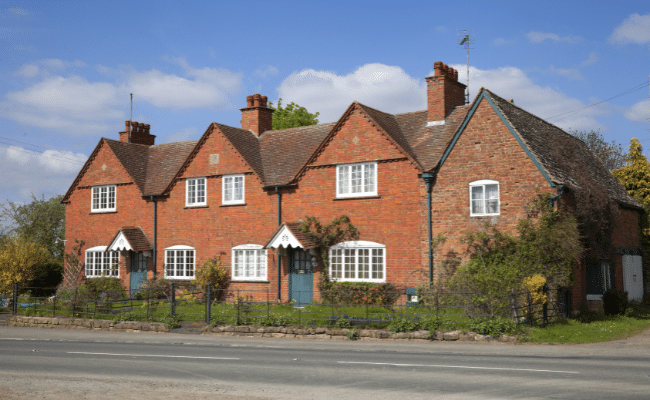
Why Buy a Second Home in the UK?
Buying a second home can be a strategic investment opportunity. Whether you're seeking:
- A private holiday retreat
- A long-term buy-to-let rental
- A short-term holiday let for seasonal income
- A future retirement haven
With the right location and management, your holiday home could become a high-performing asset, offering long-term value and income potential.
Costs of Second Home Ownership
Owning a second home involves ongoing maintenance. Key costs include:
- Insurance (especially if the property is unoccupied for extended periods)
- Utility bills (often with standing charges even if unused)
- Security measures (CCTV, alarms)
- Maintenance and cleaning
- Empty property cover (specialist insurance may be required after 60 days vacant)
Leaving a home empty also increases the risk of issues such as damp, burst pipes, vandalism, or squatting, so making regular checks is essential.
Economic and Social Impact of Unused Second Homes
A non-let second home may contribute to:
- Reduced housing supply for locals
- Higher local property prices
- Strain on local economies due to seasonal occupancy
- Potential resentment in tight-knit communities
Letting out your property helps offset these issues, supporting the local economy and providing more housing options for holidaymakers.
Choosing the Right Property for your Second Home
Whether you're dreaming of a peaceful retreat, a base near family, or a property that can generate rental income, choosing the right location and type of second home is a big decision.
The average annual income for a second home in the UK is £24,700, according to Sykes' 2025 Holiday Letting Outlook Report. Income earned on a second home can vary significantly based on its location, size, and features.
In many cases, a well-positioned second home can earn as much in a week as a long-term rental does in a month.
Where is the best place to buy a second home?
Based on Sykes' average gross turnover data in 2024, the highest-earning regions for buying a second home are the Cotswolds, Highlands & Islands, Cumbria & the Lake District, Dorset, and the Peak District.
Choosing a unique property type can also help bolster your income. Properties such as shepherd's huts, yurts and glamping pods earn £32,200 on average.
For more information, read the best areas to buy a holiday let in the UK.

Owning a Second Home for Personal Use vs Investment
Many second home buyers look to blend personal enjoyment with income potential. That means comparing location appeal with rental profitability rather than looking at either factor in isolation.
Weighing up factors such as whether the property will make a good holiday let and suit your lifestyle can make a big difference to the long-term success of your second home.
It's also important to be flexible and willing to compromise on peak-time availability to maximise rental income, as well as switching between personal use and letting easily.
Ultimately, the best place to buy a second home depends on your purpose, whether it's lifestyle, income, or a mix of both. Take time to research areas, understand local markets, and be realistic about your time, resources, and long-term goals. With the right planning, your second home can become both a sanctuary and a smart investment.
Buying a Second Home for Personal Use
If you're buying a second home primarily for yourself, family or friends, location is everything. Many people choose a spot with sentimental value. This could be a favourite holiday destination or a region they frequently travel to for work.
- When deciding where to buy a second home for personal enjoyment, weigh up the pros
and cons of the area. - Consider how much you will use the property. If it's far away or hard to reach, it may spend more time empty than enjoyed.
Buying a Second home to Rent Out
If your goal is to buy a second home as an investment, your approach will be slightly different. The focus shifts from emotional attachment to market viability.
Look into tourism trends or housing shortages to assess rental demand in the area before investing in your holiday home. It's also important to ensure the property's layout, style, and location align with your expectations.
Depending on how you plan to let your second home, make sure the property complies with relevant safety, any selective licensing, and tax laws.
You'll also need to decide whether you'll maintain the property yourself or work with a holiday home management company to look after it when you're not there.
Holiday Home Management with Sykes
Buying a second home in the UK can be a great way to generate additional income, whether as a holiday home or a more traditional buy-to-let. By letting your property through a holiday let agency such as Sykes, you can maximise returns while staying compliant with regulations and benefiting from expert support.
With over 30 years of industry expertise, Sykes provides tailored marketing strategies, expert property management, competitive rates and access to a large customer base, boosting the chances of your property being consistently booked and well-maintained.
Their team handles everything from maintenance and guest communications to marketing your holiday home, allowing you to enjoy the benefits of your holiday let investment without the stress.
If you're ready to begin the journey of investing in a UK second home, speak to one of the friendly advisors and let your property with Sykes today. Alternatively, browse the range of holiday homes and cottages for sale.
Ready to buy property?
Access off-market investment properties with an average 8%+ annual gross yield (beating the UK's typical 3-5%).
Get property alerts